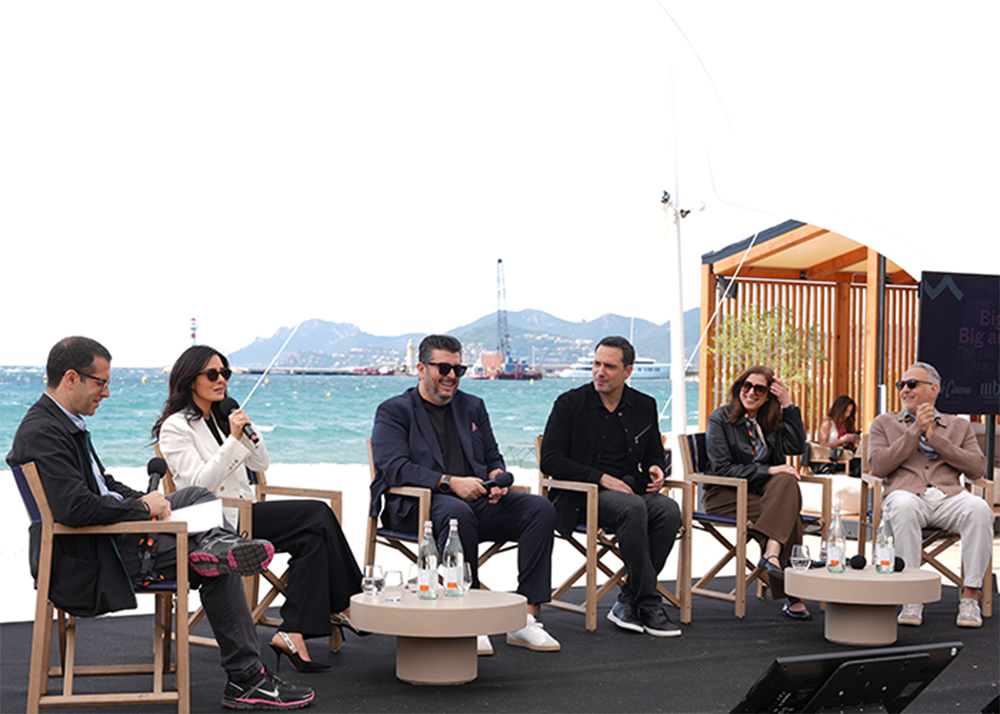
In front of a large audience during the 79th edition of the Cannes Film Festival, MBC STUDIOS, in collaboration with the Arab Cinema Center and the Marché du Film, hosted a panel titled ‘Big Bets, Big Audiences! The Rise of Commercial Arab Productions‘, discussing the reasons behind Arab cinema’s rise on the global stage.
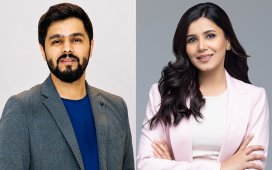
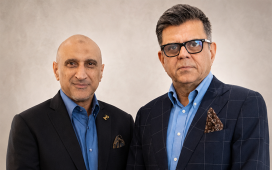
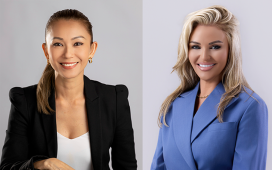
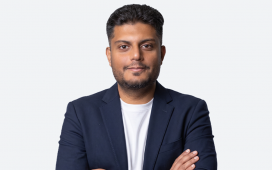
The panel moderated by Ali Jaafar, Head of Films & Global Series at MBC STUDIOS, featured:
- Samar Akrouk, Managing Director of MBC STUDIOS and Group Director of production at MBC GROUP
- Tarek Al Ibrahim, Director of MBC1, MBC DRAMA and MBC Shahid Content
- Hana Al Omair, Saudi writer, director and producer
- Mohamed Hefzy, producer and co-founder of Film Clinic
- Dhafer L’Abidine, actor, writer, and director.
This is your last chance to book tickets to the first-ever Campaign Breakfast Briefing: Retail & Commerce Media on Friday, 22 May. Get yours now for actionable strategy on enhancing ROI for retail and commerce media in the region.
During the panel, held on Thursday, May 14, actor Dhafer L’Abidine spoke about how Arab films succeed in reaching foreign audiences despite cultural differences.
He explained that a film like Sophia succeeded because it tells a story that resonates emotionally with viewers.
L’Abidine said: “It makes sense to me. It’s a story about a family and what they go through with their children. That’s what matters, because I connected with it emotionally, and anyone on this planet can connect with it emotionally. I believe that’s the most important thing.”
He added, “The audience must feel the sincerity of the film through its emotions. It’s not about selling; it’s about creating something beautiful and meaningful and then building from there.”
View this post on Instagram
Regarding whether Arab films can replicate massive box-office successes like Bad Boys 4, L’Abidine added: “I think it comes down to the story. Bad Boys 4 talks about a specific culture and was presented really well in terms of writing, character connections, and spectacular cinematic presentation. All these components were delivered in the right and ideal way, coming from the right place for that film. That translates into success because audiences can engage with it and see that something was made very well and sincerely.”
Saudi Director, writer and producer, Hana Al Omair, confirmed that challenges still face the Saudi film industry.
She said, “There are logistical challenges, challenges with acting, and many things you have to take into account during filming. The good thing is that the story is there in front of me, and it’s a story I want to tell no matter what. I fight until the very end to make that happen.”
On the increasing scale of budgets for Arab films recently, Samar Akrouk explained that things have changed compared to before.
Akrouk said, “I feel that large-scale film productions have been making headlines, and I understand that because big budgets lead to big ambitions, and of course, big expectations.”
She continued: “Things have changed at MBC STUDIOS because we are in a better place today than before, and the conversation has become more mature. It’s not about substantial budgets; it’s about the right budget.”
Discussing changing viewing habits among Arab audiences, Tarek Al Ibrahim, Director of MBC1, MBC DRAMA and MBC Shahid Content said, “What’s happening now with audiences in the Arab region is exactly what’s happening around the world.”
He added, “People have started looking for content on digital platforms — as is the case with MBC Shahid — and they are searching for high-quality productions, along with strong storytelling. Audiences of all types are always looking for suitable content and for diversity that caters to all kinds of viewers.”