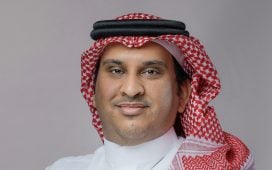
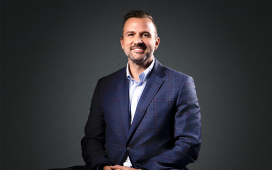
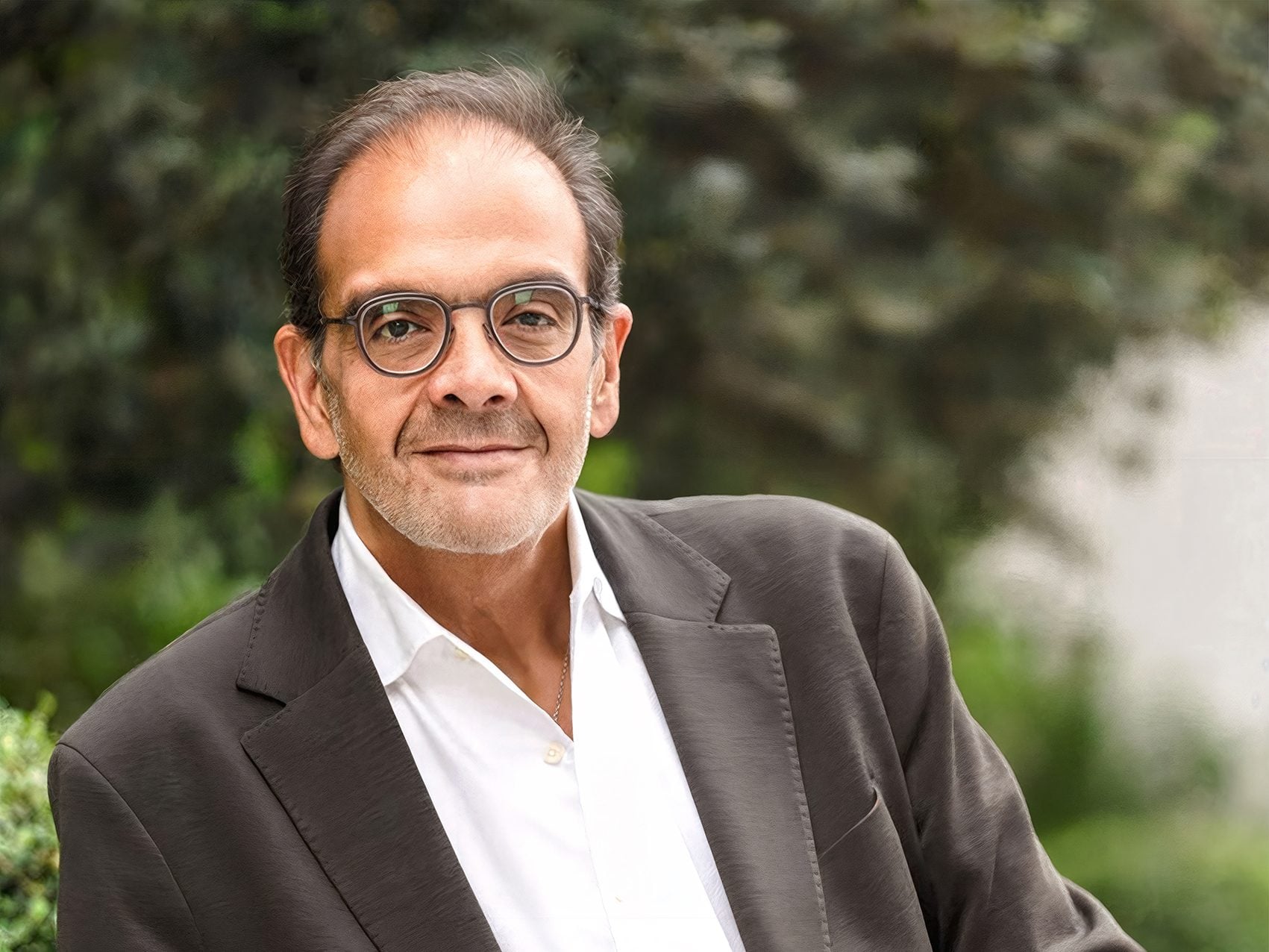
 Marwan Dimas, Chief Sales & Marketing Officer at Estithmar Holding
The property and hospitality landscape in Baghdad is at an inflection point, where macro tailwinds meet structural constraints. Years of underdevelopment have left a supply-demand gap just as a young population accelerates household formation. The result is brisk absorption when product-market fit is tight, alongside a clear bifurcation: premium inventory races ahead while the mid-market remains underserved.
In this context, branded residences have become more than a logo or a marketing exercise; branded residences have begun to function as a service and governance layer that de-risks ownership, signals quality, and creates an “experience moat”. Introducing a first-of-its-kind branded hospitality-residential development in the city is not simply a luxury play; it’s a category-creation move that can reset benchmarks, attract overseas interest and catalyse confidence. Running in parallel is a hospitality renaissance that reinforces the flywheel: new flags, elevated retail and a visible step-up in visitor interest.
For marketers, the brief is bigger than selling units or room nights — it’s city-as-product. The strategy blends proof points with narrative: market the revival, not just the asset; activate social at scale for a youthful domestic audience; and re-engage the diaspora with targeted, story-led experiences that convert curiosity into commitment.
Campaign Middle East speaks to Marwan Dimas, Chief Sales and Marketing Officer, Estithmar Holding about how to architect demand across segments; how branded residences can lift an entire market; and how to balance ambition with operational credibility as Baghdad reintroduces itself to residents, investors and travellers alike.
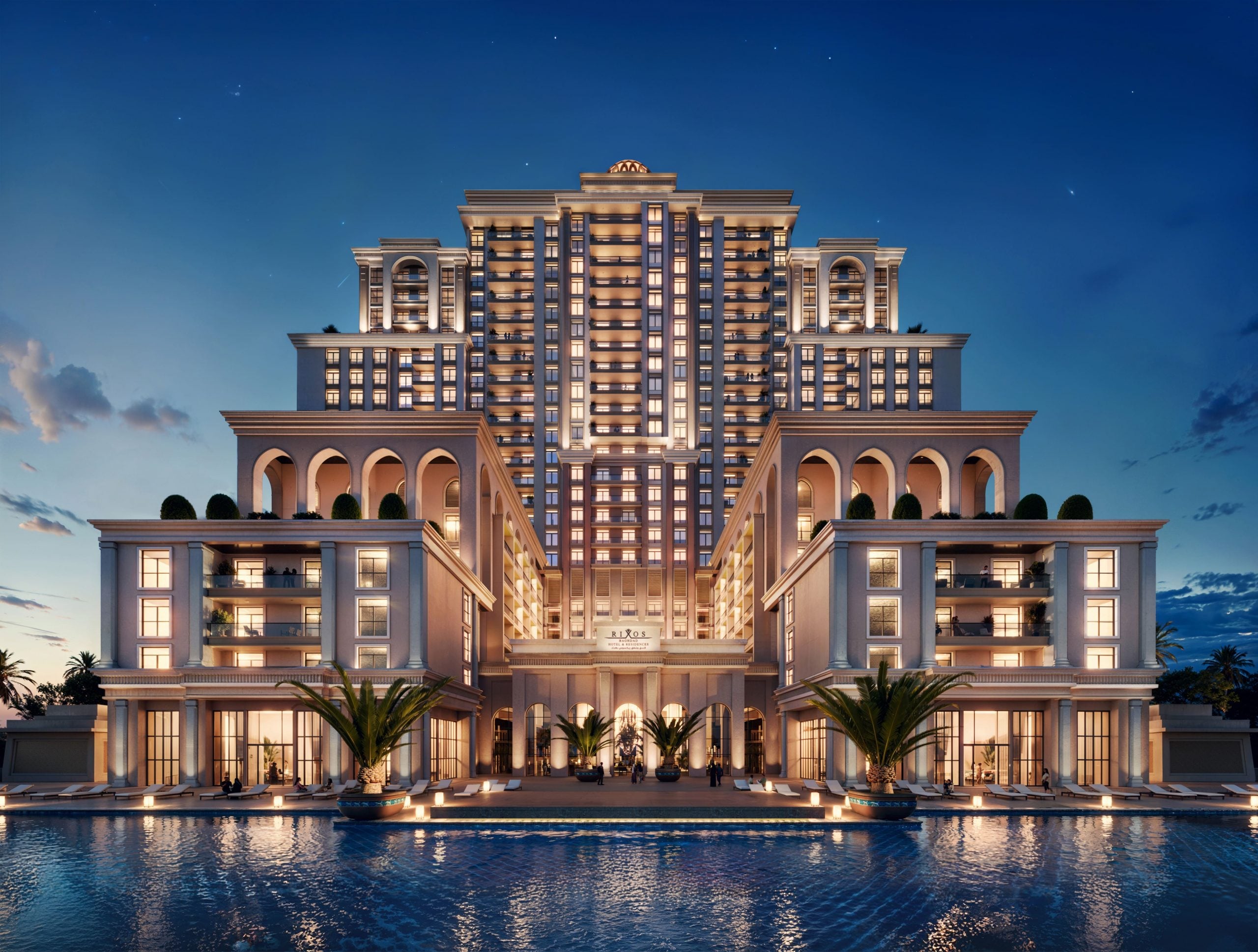
Q: Branded residences – such as the Rixos Baghdad project – are a relatively new concept for Iraq. That said, globally and in the Middle East, we’ve seen a surge in these luxury branded homes. How do branded residences fit into the Baghdad market, and what makes them appealing to buyers?
Marwan Dimas: You’re absolutely right – branded residences are a hot trend worldwide, and we’re excited to bring this concept to Baghdad for the first time. The appeal of a branded residence is that it offers five-star hotel services and a trusted name to residential living. Buyers get not just an apartment, but an entire lifestyle managed by a luxury brand.
This model has been booming elsewhere: a Knight Frank report projects the global branded residences sector will grow 55 per cent by 2026. In our region, the growth is even more remarkable – the UAE, for instance, saw a 410 per cent increase in branded residential developments over the last decade, and in Saudi Arabia nearly 69 per cent of households express interest in owning a branded property. This trend is driven by demand from high-net-worth buyers who want the quality, security, and prestige that come with a known international brand.
Bringing a brand such as Rixos to Baghdad is truly groundbreaking. It signals that Baghdad is open for business at the highest level of hospitality and real estate. For buyers, a branded residence means peace of mind. They trust the Rixos name – part of the Accor family – to deliver top-notch amenities, maintenance and service.
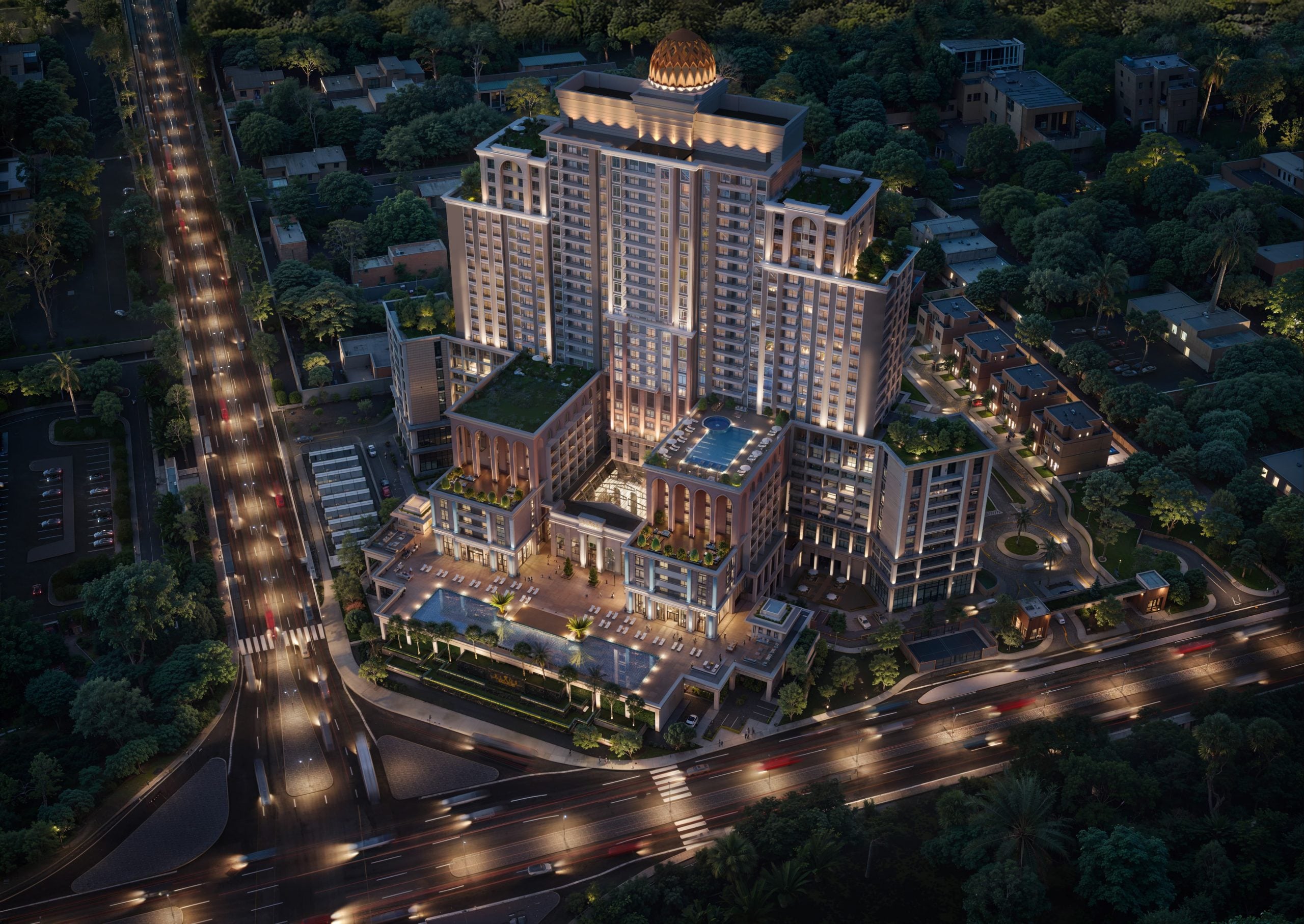
In our case, Rixos Baghdad Hotel & Residences is set to be a landmark: it’s the first Rixos-branded 5-star destination in the capital, symbolising the city’s rebirth as a luxury destination. Residents will have access to the adjacent hotel’s facilities, concierge services, spa, fine dining – the works. This is very appealing to affluent Iraqis and expats who want that cosmopolitan lifestyle at home. Also, a branded development often holds its value well and attracts overseas interest.
We’ve designed the Rixos residences to international standards, with features such as smart home tech and panoramic views of the Tigris, to ensure they rival any luxury home in Dubai or Istanbul. In short, branded residences offer exclusivity and an experience beyond four walls, and given Baghdad’s maturing luxury market, the timing is perfect to introduce this concept now. We believe it will elevate the market’s expectations and put Baghdad on the map for luxury real estate investors who previously might not have considered it.
Q: Baghdad’s hospitality and tourism sector is also evolving alongside the real estate boom. With projects such as the Rixos Hotel and others coming up, what changes do you see in the city’s hospitality offering, and how does that tie into your marketing strategy?
Dimas: The hospitality scene in Baghdad is undergoing a renaissance, much like the real estate sector. For a long time, high-end hotels were limited here – but that’s changing rapidly. We’re seeing new luxury hotels opening or announced: not only Rixos, but also other international brands. There’s even a project for Baghdad’s first ultra-luxury mall and a $1bn Saudi-backed development on the way, which all include hospitality components. These developments reflect rising investor confidence.
Tourism numbers are up significantly – to give you an idea, international visitor arrivals jumped from about 120,000 in 2022 to over 400,000 in 2024 – a dramatic increase. Revenues in Iraq’s hotel industry are projected to grow around 6 per cent annually through 2028. So the demand for quality accommodation is on the rise, both from business travelers and tourists, including the Iraqi diaspora and religious pilgrims.
As a marketer, I see this as an opportunity to promote Baghdad as a destination, not just a single project. In our strategy for Rixos Baghdad, for example, we’re essentially marketing the city’s revival. We highlight how Baghdad is modernising – new infrastructure, a vibrant culture scene, and now world-class hotels and residences. A big part of our messaging is that Baghdad is open for luxury tourism and investment again. We leverage those positive stats – such as the tourism growth and new flights opening up – to build optimism.
From a marketing angle, we’re combining traditional channels with digital outreach: given Iraq’s youthful population, social media is huge, and we use that to showcase the project and the city to younger audiences. We also run targeted campaigns for the Iraqi diaspora, many of whom follow Iraqi news and social media closely. For instance, we might do virtual tours and webinars for Iraqis in London or Dubai, emphasising that owning a residence in Baghdad is both emotionally rewarding and a smart investment now. Our media partnerships and advertising content focus on storytelling – showing a new image of Baghdad with imagery of the skyline, the Tigris, and of course the beautiful design of Rixos Hotel & Residences itself.
Ultimately, it’s a holistic approach: as the city’s hospitality offerings improve, it makes our job easier because we can confidently sell Baghdad as a package – a place where you can live, work, and relax in luxury. My media background helps in crafting that narrative and getting it out effectively. And I have to say, nothing beats seeing the look on people’s faces when they realise that a development such as Rixos in Baghdad is real. It changes the conversation from the old challenges to the new possibilities. We’re marketing hope and progress, backed by real data and developments, and that’s very powerful in attracting both customers and further investment.
Q: You’ve had a remarkable career in media and advertising – from publishing ventures such as Waseet and Layalina to leading major firms such as Al Wataniya and even publishing Al-Balad newspaper in Lebanon. What drove your transition from media into real estate, and how does that background inform your role now at Estithmar Holding in Baghdad?
Dimas: Thank you – it really has been quite a journey! I spent decades in the media world, launching well-known titles such as Waseet and Layalina, and leading some of the largest advertising companies in the GCC, including Al Wataniya for Publishing and Advertising and Al-Balad newspaper in Lebanon. But after so many years telling stories for others, I felt it was time to move to the client side — to use that branding and storytelling experience to shape something I believe in from the inside.
I’m proud to be serving as Chief Sales and Marketing Officer of Estithmar Holding. It’s a company with an inspiring growth story and a strong presence across nine countries. Beyond real estate, we operate in several vital sectors. Our healthcare division, Apex Medical, has eight hospitals across the region. Our services division Elegancia Services leads in catering, facility management, and manpower supply. Our specialised contracting group Elegancia Contracting and Industries includes 12 companies covering everything from MEP to Data Centers. And of course, we’re also behind some of Qatar’s most iconic destinations — such as Katara Hills LXR and Maysan Doha, two ultra-luxury hotels, as well as Al Maha Island, the entertainment hub of Doha. We’re also developing the new Rosewood Maldives Ranfaru, a one-of-a-kind destination in the Indian Ocean.
With a market cap of more than $4.5bn, Estithmar is driven by a mission to create value for the communities we serve — and for someone like me, who comes from media, it’s an incredible platform filled with stories that matter.
Now, I’m channeling everything I learned in publishing — how to engage audiences, how to build brands with meaning — into our real estate and hospitality projects. With Rixos Baghdad Hotel & Residences, for example, I’m not just marketing homes. I’m helping bring a vision to life — one that reflects the new Baghdad: modern, proud, and full of opportunity. It’s incredibly exciting to be part of this moment, using storytelling and strategy to shape how people see a city and a lifestyle. At the end of the day, it’s still all about stories — only now, they’re stories with impact.
Q: Let’s talk about the Baghdad real estate market itself. How would you describe the current supply and demand dynamics in 2025, and what trends are you seeing in terms of prices and absorption of new projects?
Dimas: The market in Baghdad today is vibrant but also undersupplied in many ways. After years of underdevelopment, there’s a huge pent-up demand for quality housing. In fact, government figures indicate a housing shortfall of around 2.5 million homes across Iraq and Baghdad alone faces about a 31 per cent housing deficit .
This means demand far outstrips supply — a young and growing population: more than half of Iraqis are aged 25 and younger — is driving the need for new homes faster than they can be built. As a result, when a good project comes on the market, it tends to get snapped up quickly. Our experience is that absorption rates for well-located, well-financed developments are very strong, because there just aren’t enough modern units to go around.
On the pricing side, we’re seeing a wide range depending on location and quality. In Baghdad’s most affluent districts – places such as Al-Jadriya, Mansour or Yarmouk – properties can command anywhere from $5,000 up to $8,000 per square metre. These are prices on par with some international markets, reflecting that there’s a premium segment willing to pay for luxury and location.
Meanwhile, more peripheral or emerging neighborhoods are much more affordable — often under $2,000 per square metre. This disparity points to an uneven market: high-end real estate is booming, while there’s still a shortage of mid-range and affordable housing. The government is trying to address the gap – for example, projects such as the Bismayah new city offer subsidised apartments – but by their own admission, they need about 60,000 new units every year just to keep up.
Until supply catches up, I anticipate prices will remain elevated and any new inventory, especially in the mid to high end, will be quickly absorbed by the market. The good news is that both public and private sectors are now accelerating development to meet this demand.
Q. Who are the buyers in this market? Are you seeing interest mostly from local Baghdadis, or are Iraqi expats and other investors getting involved as well?
Dimas: The buyer mix in Baghdad’s real estate is increasingly diverse. Traditionally, of course, you had local families and investors as the main buyers. That’s still the case for much of the market – Baghdad has a large population of aspiring homeowners and a growing middle class. But what’s really interesting is the surge of interest from the Iraqi diaspora.
Many Iraqis living abroad – whether in the Gulf, Europe, or North America – are looking back toward home now that stability is improving. They see real estate as a way to reconnect with Baghdad and invest in the country’s future. In fact, some new real estate platforms report that a significant portion of their funds comes from diaspora Iraqis buying second homes here. These expats often want a property in Baghdad for emotional reasons (ties to home), but also because they sense the market’s potential for growth.
We’re also seeing increasing foreign and regional interest. Just a few years ago, almost no foreign investors would consider Iraq; today we have investment coming from our Gulf neighbors – for example, Qatari, Emirati, and Saudi firms have started projects in Iraq’s property and infrastructure sectors. This is unprecedented and signals confidence in the country’s direction.
As the developer of Rixos Baghdad, we’re targeting a mix of buyers: high-net-worth individuals in Baghdad who want a luxury lifestyle upgrade, Iraqi businessmen and professionals abroad who want a foothold here again. The diaspora buyers in particular respond well to branded projects because it gives them reassurance on quality. Overall, the pool of buyers is broadening – locals, expats, and regional players all want a piece of Baghdad’s real estate resurgence.