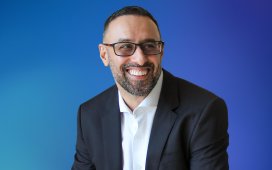


 Wassim Mneimneh, Managing Director – MENAT, MiQ
Globally, the lines between TV, streaming and digital video have blurred and, honestly, in MENA, they might have disappeared completely. People here aren’t thinking about platforms; they’re chasing stories. From YouTube on mobile, to connected TV (CTV) in the living room, to that 2 AM reel a friend sends, it’s all just video now.
This raises an important question for marketers: how do we plan, activate and measure in a world where video is everywhere?
The answer is to build a total video strategy that connects every platform, device and data source for a unified view of the consumer.
From fragmentation to total connection
There’s never been a more complex time to reach audiences. The modern viewer doesn’t just watch: they interact, shop and share. This fragmented attention economy requires us to connect viewing behaviours, data signals and outcomes. Fragmentation can be both a challenge and an opportunity if you know how to link it and turn scattered attention into connected outcomes.
MENA audiences are among the most engaged in the world. According to MiQ’s Advanced TV Reports, 87 per cent of people stream content on mobile devices in KSA, while 59 per cent in the UAE prefer the TV. And second screening has become second nature in both markets, proving that multi-screen consumption isn’t replacing behaviours, but layering them.
People watch whatever they want on whatever screen they want. The goal isn’t to chase audiences from one platform to another, but to create a connected plan that unifies them. A total video strategy achieves this using data and artificial intelligence (AI) to understand how viewers switch between each screen, ensuring that every impression adds value.
AI is at the heart of total video
Let’s imagine that every piece of audience data (CTV, YouTube, mobile, etc) could talk to the others. This conversation would reveal how people are watching, browsing and buying, creating a single connected view of the consumer. Sounds pretty futuristic, right? The kind of thing you’d expect to see in a sci-fi trailer, except it’s actually just another Tuesday in adtech.
It’s already happening. MiQ Sigma, our AI-powered advertising technology, connects trillions of data signals across the programmatic ecosystem, transforming fragmented data into clear insights, leading to smarter planning and smoother delivery. Marketers can manage frequency, balance investments, and measure reach accurately – all while focusing on creativity and storytelling.
AI doesn’t replace human insight. It gives marketers the confidence to make data-informed, audience-focused decisions.
YouTube and CTV: the foundation of a total video plan on screen
Any total video strategy in MENA should start with the platforms audiences enjoy the most.
YouTube’s dominance on mobile and TV offers unmatched reach. CTV provides the brand-building space that marketers have always valued. Together, they bridge upper-funnel storytelling and performance-driven engagement. YouTube, especially, is becoming non-negotiable. According to MiQ’s Advanced TV reports, 68 per cent of UAE advertisers plan to increase their YouTube spend in the next year, while 53 per cent of KSA marketers are making YouTube a priority for future investment. In a region where mobile reigns supreme, media plans must mirror audience habits.
As a member of the YouTube Activation Partners programme, MiQ positions YouTube as a fully integrated part of the programmatic media ecosystem alongside linear TV, CTV and digital. When you combine YouTube’s 2.5 billion monthly average users (MAUs) with MiQ Sigma’s 700 trillion signals, you get the most effective way to plan and buy programmatic media. So, marketers can plan and optimise campaigns that create a more direct and measurable link between consumer actions and business outcomes.
Turning complexity into simplicity
The biggest challenge to total video planning is data fragmentation. Each platform speaks a different language, making it difficult to measure true reach and frequency with clarity. That’s why the next wave of programmatic innovation focuses on harmonisation, not just automation. When AI-driven insight unifies exposure data across CTV and YouTube, marketers can see the full picture: where attention overlaps, expands and converts. Marketers can then manage spending, balance short-term performance with long-term brand impact, and understand the role each screen plays in the customer journey.
From measurement to meaning
Marketers currently focus on metrics like impressions, clicks and completions. With total video, the real indicator of success is connection – between message, media and moment.
By connecting what people see with what they do, we can finally understand how attention turns into action. This shift from measurement to meaning is what will shape the most effective video strategies in the years ahead. When attention and action are part of the same system, every screen becomes a performance channel, and every impression becomes an opportunity for growth.
The future of total video across every screen
Building a total video strategy isn’t about replacing traditional TV or chasing digital trends, but recognising that audiences move seamlessly across screens, and ensuring that your media does too.
The marketers who win will be the ones who value understanding over visibility, who blend AI with creativity, and who see each impression as part of a larger picture. MiQ believes the future of video in MENA will be unified and smart. It begins with a total video mindset; it’s time to connect everything.
By Wassim Mneimneh, Managing Director – MENAT, MiQ