
For years, IKEA’s positioning in the Middle East has been built on accessibility – well-designed furniture at prices that opened up design to the many. That promise remains, but as consumer expectations evolve, the brand is broadening its definition of value.
“Value is built into quality, not traded for it,” shares Carla Klumpenaar, GM Marketing and Communications for IKEA across the UAE, Qatar, Egypt and Oman with Campaign Middle East. She sees a clear shift in regional demand, with customers moving away from fast trends towards pieces that tell stories and stand the test of time. “Customers are increasingly moving beyond fleeting trends, now prioritising enduring craftsmanship, lasting value, and products with compelling stories.”
This is the backdrop for Stockholm 2025, IKEA’s latest collection and a reflection of how the brand is repositioning in the region. First launched 40 years ago, the Stockholm line has always represented a more premium expression of IKEA’s design values. The 2025 edition takes that heritage and places it firmly within a Middle Eastern context. “The new collection arrives as a quiet revolution,” says Klumpenaar. “Not the loud kind of premium, but the kind you live with… design that’s meant to be used, loved, and passed on.”
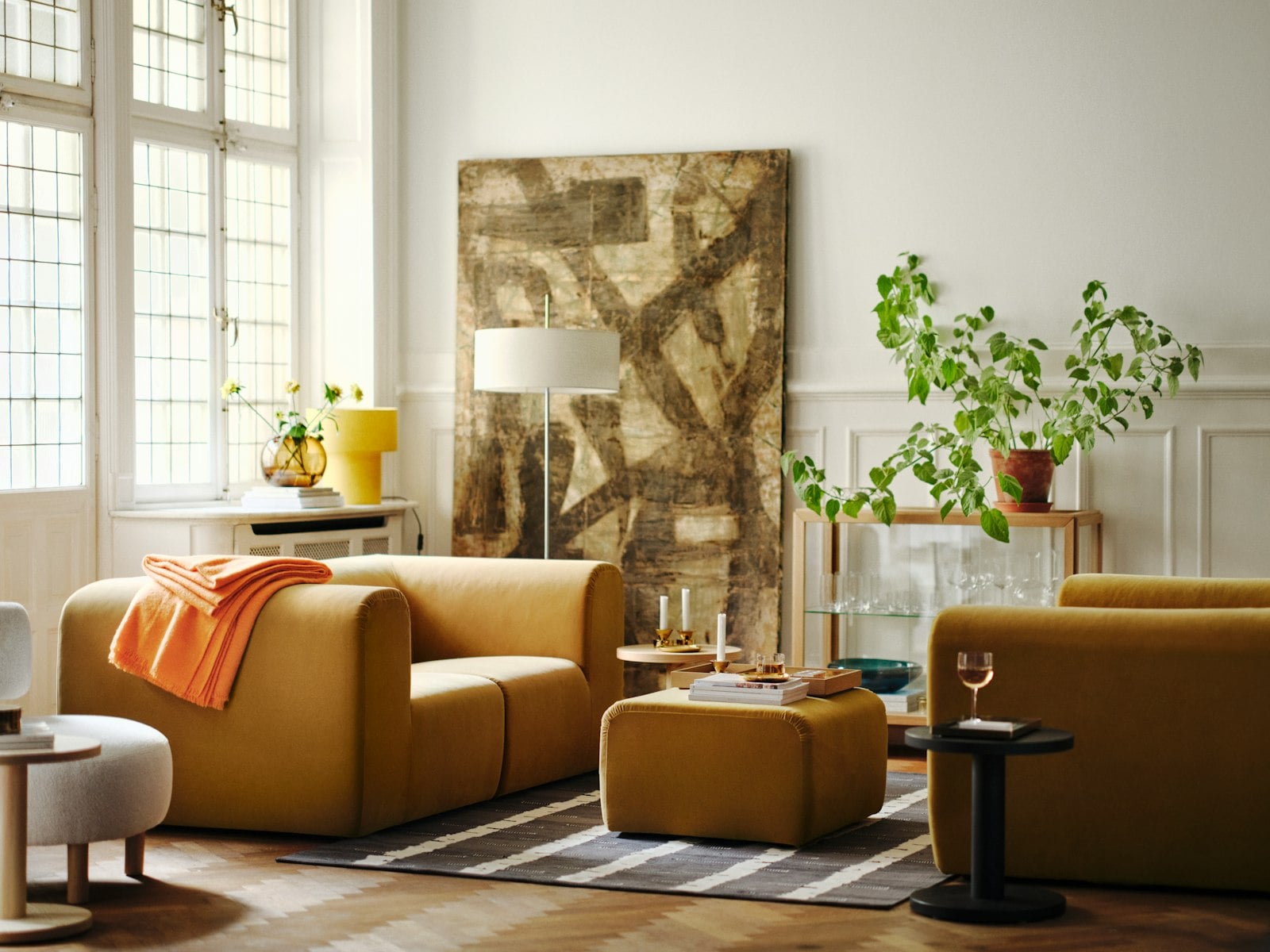
The emphasis is on tactility and detail: mouthblown vases, oak chairs designed to improve with age, chandeliers that arrive with white gloves. Klumpenaar frames these as symbols of IKEA’s evolving narrative of value – one that rests as much on materials and longevity as on affordability. “At its heart, Stockholm is a celebration of what’s been done by hand, by heart, and by those who believe that beauty lies in the details,” she explains.
While Scandinavian minimalism underpins the range, its warmer tones and textured finishes speak to Middle Eastern sensibilities, offering familiarity without losing design purity. “The collection embraces the minimalist and functional character of Scandinavian design while effortlessly resonating with diverse cultural aesthetics, including those of the Middle East,” Klumpenaar says. This ability to adapt without diluting the core identity is central to how IKEA intends to remain relevant across the region.
Equally important is how the brand brings the story to life. IKEA’s marketing strategy for Stockholm 2025 blends digital and physical touchpoints, with social media content showcasing the tactility of the pieces, and in-store displays designed to let customers engage with them directly. “The in-store experience is essential,” says Klumpenaar. “Given its tactile and material-led nature, it’s essential for customers to physically engage with the textures, finishes, and craftsmanship that define the collection.” Designers are also featured in the rollout, narrating the process behind each piece to underline the human craftsmanship behind the work.
Beyond the launch itself, IKEA is signalling a broader marketing pivot in the Middle East: one that places emotion, storytelling and individuality at the core of its positioning. As Klumpenaar puts it, “Homeowners in the UAE are actively moving beyond cookie-cutter designs, seeking unique touches and pieces that genuinely reflect their personalities. This is the beauty of Stockholm 2025 – its versatility enables customers to build a unique space that feels layered, lived-in, and thoughtfully curated over time.”