


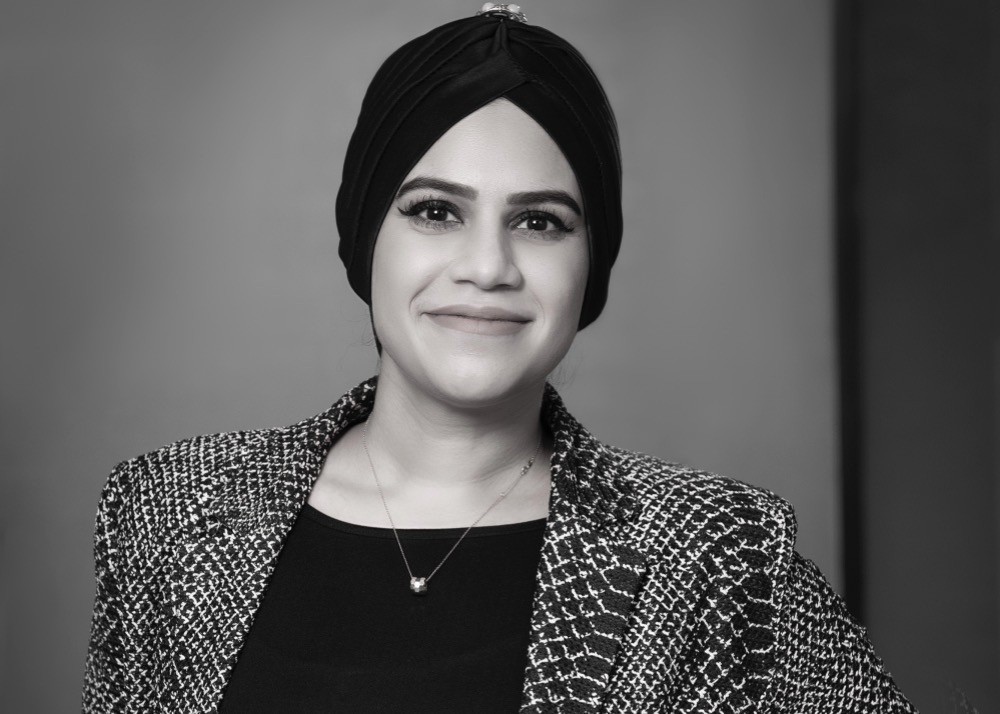
 Aneesa Rashid, Social and Creator Director, MCN
There’s a contradiction at the heart of creator marketing: we seek out distinctive voices, then build processes that make them sound increasingly alike, yet somehow, we’re still expecting authenticity.
As creator marketing matures, are approval processes genuinely protecting brands, or are they gradually removing the culture, character and diversity out of creator content?
The industry has improved it’s thinking behind diversity when it comes to creator selection, meticulously evaluating based on gender, nationality, audience profile and cultural relevance. But far less attention is paid when it comes to inclusion, once production begins.
Somewhere between the brief, storyboard and multiple rounds of approvals, individuality starts giving way to uniformity. Different creators begin speaking in the same language, following identical structures and producing content that feels remarkably similar. In trying to make campaigns safer, brands often make them less distinctive and at that point, we’re not only briefing the authenticity out of creator content, but we’re also briefing the region out of it.
The irony is that we recruit creators because they offer different perspectives, but our approval processes frequently encourage them to express those perspectives in exactly the same way.
That’s where the conversation around inclusion becomes much more interesting.
We often talk about diversity in creator marketing through the lens of representation, but inclusion isn’t just about who’s invited to the table. It’s about what happens after they’re there.
Because diversity is about choosing different voices. But inclusion is allowing those voices to remain different.
The Middle East demonstrates this challenge particularly well. We often talk about the region as though it’s one market, yet anyone living here knows that’s far from reality. Humour, dialects, traditions, behaviours and cultural references shift dramatically between countries, and often between cities.
Picture the usual process. The creator selection is complete, and you’ve chosen personalities specifically for their individual voices and the different perspectives they bring. Then comes the briefing stage, which is often where the biggest misstep happens.
In many cases, the creator is handheld through exactly what the brand wants. The storyboard proposes every word, suggests the movements and dictates what the camera frames should look like. What remains is highly scripted, heavily branded and leaves little space for the creator to showcase their own imprint, let alone exhibit the originality or their trademarked quirks they’re known for.
As agencies and brands, we recruit creators for their differences, yet our approval processes unfortunately tend to remove those very differences by default. Yes, representation may happen at the shortlist stage, but true inclusion happens after the contract’s signed, and a diverse roster doesn’t automatically produce eclectic work.
The three main recurring pitfalls I’ve seen brands face include identifying true localization, a rigid approvals process and relinquishing creative control.
Producing localised work means far more than translating a global or regional script into Arabic. Regional scale can quickly become cultural flattening, so we need to move beyond broad stereotypes and look for the behavioural truths, cultural nuances, regional dialects and environments that make content feel grounded in a real community.
The UAE is a prime example where expatriate communities are highly visible, but still creatively underused. Brands may include Asian, Western and Arab expatriate creators to achieve demographic reach, but tend to place them inside the same generic format, built around a universal idea of what a regional campaign should look like. But meaningful inclusion is allowing creators to bring different cultural entry points to the same brand idea.
The more stakeholders involved, the more you try to make content that’s suitable for everyone, and in doing so the less likely it’s going to feel personal to anyone. Streamline where possible to reduce the layers of approval necessary to core decision makers, and when it comes to the number of rounds less is more. Every additional approval introduces another compromise, resulting in something that no longer sounds like the creator.
Audiences don’t reward perfectly approved content. Platforms don’t either. Today’s algorithms reward relevance, personality and originality, not polished corporate messaging cloaked behind a creator’s face.
Creators should be aligned on the truth of the message but not forced into sameness in how they express it. Creative freedom is a must, set the guardrails, share clear brand guidelines and then ultimately you have to trust the creator. They know how to create content that’s going to resonate, that’s why you chose to work with them in the first place. Brand safety is there to simply protect from risk, not from personality.
I experienced this first hand while working on the launch of a new skincare product. We partnered with a mix of prominent macro and micro creators. The smallest creator in the campaign produced the most interesting content, it tapped into real-time trends, felt less conventional and told the product story in a way that was distinctly their own.
The brand initially struggled to see the connection and requested a reshoot, but after some convincing, they agreed to test it. It went on to achieve the highest watch-through rate and engagement across the campaign, outperforming creators with over five million followers by a considerable margin.
It was a reminder that brands don’t hire creators simply to produce content. They hire them because they understand communities in a way the brand never will. That’s where their true value lies.
As our creator economy continues to mature, I believe the next progression won’t come from exploring more diverse creators. This is an area where the industry has already made considerable progress.
It will come from building approval processes that are equally diverse in space, allowing for creative expression.
Because the goal shouldn’t be to make every creator feel like the brand. It should be to make the brand feel authentic through every creator.
The Middle East’s creator industry risks presenting the appearance of diversity while steadily standardising the voices behind it. The next evolution of creator marketing has to move beyond diverse casting towards genuinely inclusive creation. Where different voices are not only selected but trusted to remain different.
The brands that will stand the test of time won’t be the ones with the most carefully curated content. They’ll be the ones confident enough to let creators showcase their true, unfiltered selves through that content.
By Aneesa Rashid, Social and Creator Director, MCN







