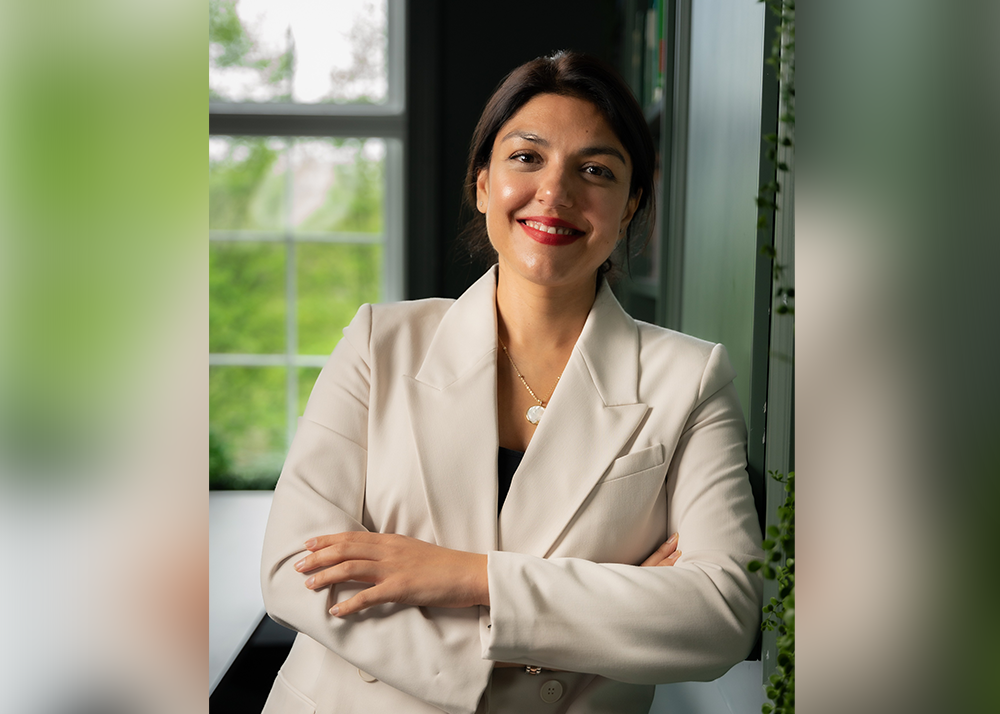
 Ruby Ubhi, Founder and CEO of Maaha People.
Leading and working in the communications sector is not for the faint-hearted. The industry is evolving at a remarkable pace: AI is reshaping workflows, media cycles are becoming ever faster, and public trust remains fragile.
In one of the world’s most dynamic regions, success is no longer solely determined by excellent products or services. Instead, it hinges on Inclusive Leadership and cultivating a truly inclusive workplace culture.
Culture is a non-negotiable
The workforce has shifted. Millennials and Gen Z now make up nearly 60 per cent of employees and they want to work for companies that align with their values, support wellbeing, and offer inclusive, authentic leadership. Deloitte reports nearly 50 per cent of millennials reject jobs if company culture doesn’t fit. Gallup shows global employee engagement fall to 21 per cent in 2025, with managers seeing the biggest drop.
Disengagement and misalignment cost businesses talent, productivity, and reputation. McKinsey finds a 23 per cent profitability gap between companies with top and bottom engagement scores. The sector is notorious for long hours, tight deadlines, and high staff turnover. In an environment built on relationships, reputation, and trust, losing experienced talent directly undermines commercial resilience. Inclusive culture is not a ‘nice to have’ – it’s your competitive edge.
The communications sector shapes our collective culture. It builds brands, frame narratives and influence public conversation. Yet inside organisations, company culture is still side conversation to the real business, something HR can deal with. This is a risk strategy when the data shows companies with inclusive culture win hands down.
Inclusive leadership in reality
Inclusive leadership creates a culture where people feel valued for who they are and a true sense of belonging. It’s not enough to hire a diverse team; leaders must create an environment where diverse people can thrive by ensuring psychological safety for sharing different experiences and perspectives. Diversity drives creativity, which thrives on open discussion and the freedom to learn from mistakes.
When employees, especially women and those from underrepresented groups, feel pressured to overperform for credibility or self-censor for acceptance, dissatisfaction and turnover rise. Inclusive leadership can address this through transparent promotion, formal sponsorship, and accountability for inclusive behaviour at senior levels.
If company culture punishes challenge or subtly rewards conformity, ideas become increasingly bland. The loudest voices dominate brainstorms, the same cultural references circulate around the table, and you’re rolling out more of the same. This is when employees disengage and performance declines.
Inclusive leaders intentionally encourage disagreement, debate and challenge. By actively inviting different perspectives, distributing airtime, interrogating their own biases, and ensuring quieter or less dominant voices are included in discussions, they create genuine space for collaboration and contribution. This approach enables teams to access the full range of insight and experiences of its people, generating new solutions and driving better thinking and creativity that would not have been otherwise possible.
In practice, this could mean simple but intentional leadership actions such as:
- Rotating who leads ideation sessions and facilitating to bring in all voices.
- Asking junior team members for input before senior colleagues weigh in.
- Rewarding insight and diverse perspectives, not just confidence.
- Creating working practices and patterns that include all people.
- Allowing people time to rest, recharge and find inspiration outside of work.
Rewards of leadership maturity
Inclusive leadership takes emotional intelligence, maturity and self-esteem. You don’t need to have all the answers. You’re not threatened by the expertise of your team. You don’t need to be in the driving seat all of the time.
You are secure enough to make real space for others. You are mature enough to understand inclusion goes beyond representation alone. And you ask yourself and your team vital questions: Are diverse voices present when strategy is set? Are cultural nuances understood before a campaign goes live? Are assumptions tested against real community insight?
Inclusion is not a moral add-on. It’s also reputational and commercial insurance. When your teams feel genuinely valued and respected, they collaborate more fluidly, escalate risks more quicky, and they protect client relationships because they feel ownership.
How do you make this happen? What gets measured gets done. Leaders who are evaluated only on revenue will do whatever it takes to optimise for short-term wins. Leaders who are evaluated on both revenue and culture will build sustainable and inclusive growth.
For communications leaders, the question is not whether you can afford to invest in inclusion. It is whether you can afford not to.
Creativity thrives where people feel safe. Performance accelerates where collaboration is intentional. Commercial results strengthen where talent is retained and clients trust the integrity of the team advising them.
In a sector that trades in narrative, the most powerful story you can tell is not only about the brands you represent, but about the culture you build.
By Ruby Ubhi, Founder and CEO of Maaha People.