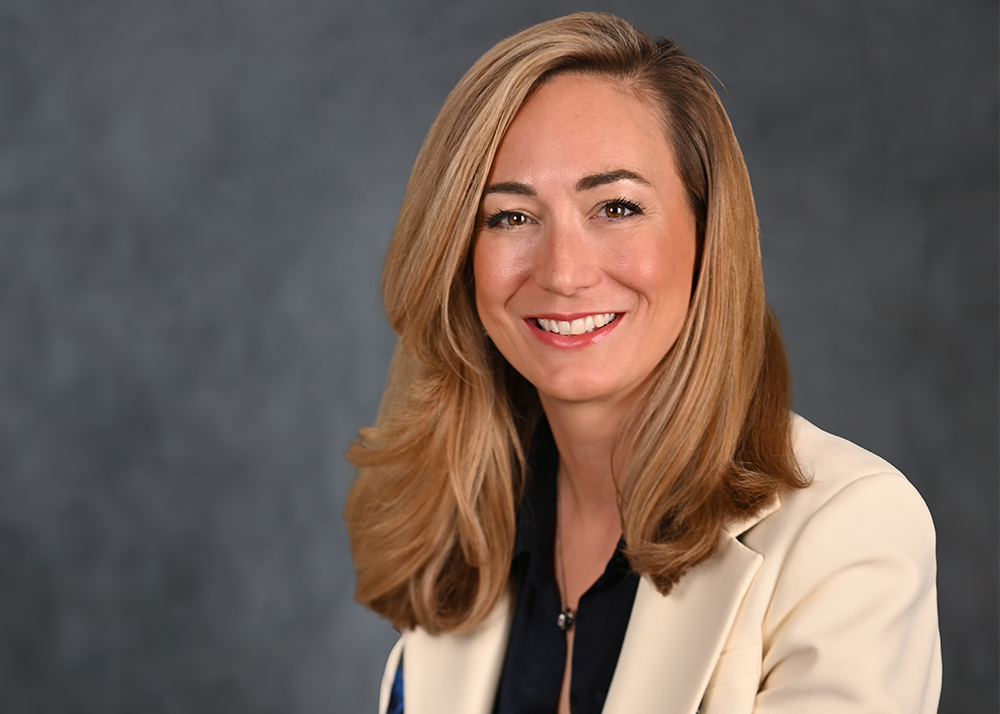
Carat’s Fiona Black shares how media planning is shifting toward relevance, accountability and strategic judgement in an increasingly automated ecosystem.
What does meaningful media planning and investment look like in 2026, and how has that definition evolved over the past year?
In 2026, meaningful media planning is about making deliberate choices and standing behind them. Over the past year, we’ve seen a clear shift away from chasing scale for its own sake toward investing in relevance, quality and real business impact. Brands are far more focused on the role media plays in driving growth, not just presence.
That’s led to sharper planning, clearer priorities and more confidence in focusing spend where it truly matters. Meaningful investment today is disciplined, intentional and closely tied to outcomes, not activity.
In an ecosystem shaped by automation, algorithms and platform dominance, what should the media industry protect at all costs?
We must protect strategic judgement and independent thinking. Automation has given us speed and precision, but it doesn’t replace perspective. The industry’s responsibility is to challenge platform defaults, guide algorithms with intent, and ensure technology serves brand value, not the other way around. Protecting trust is equally critical.
Transparency in how decisions are made and how data is used is no longer optional. It’s fundamental to maintaining long-term credibility with both clients and audiences.
How are expectations of media effectiveness changing among brands, platforms and audiences in 2026?
Expectations have risen across the board. Brands want clearer, faster connections between investment and outcomes, and they want accountability built into the process, not delivered at the end. Platforms are being pushed to prove the quality of their environments, while audiences are signalling very clearly that relevance is non-negotiable. Effectiveness today is about earning attention through context and value, not simply buying it.
What does strong media leadership look like in today’s environment, and how is it changing?
Strong media leadership today is confident, decisive and optimistic about the future. It’s about creating clarity in complexity, backing talent and investing in skills that keep organisations future-fit. The most effective leaders balance ambition with discipline. They encourage experimentation, but with purpose and accountability. Above all, they lead with conviction, setting a clear direction and building cultures that move the industry forward in a meaningful way.
By Fiona Black, Managing Director, Carat.