Throughout 2025, two words have dominated most conversations: ‘AI’ and ‘authenticity’. But now in 2026, will these terms remain as buzzwords or start being a part of how brands operate, create and grow.
In this month’s Industry Forum, we asked a cross section of industry experts to weigh in on the question: Will artificial intelligence (AI) and authenticity continue to remain buzzwords in 2026?
And here’s what they had to say:

Peter Jacob
Managing Director – MENAT, Current Global
YES
They will be buzzwords not because they’re new, but because they hit on a central tension at the heart of what we all do. In the red corner, AI will keep getting better, faster, smarter and more embedded. It can’t/won’t/shouldn’t replace judgement, empathy or instinct. In the blue corner, authenticity will be put to the test more and more as audiences start to instantly spot AI slop and vague, empty purpose quicker than you can say ChatGPT. The litmus test stays the same: work that feels human, whole and earned.

Tyler Yeom
Co-Founder & CEO, Aimilabs
YES
But the meaning will shift. In 2025, AI and authenticity were talked about. In 2026, they’ll be felt. AI will no longer be a feature or a headline; it will be the operating system behind how brands understand people, anticipate needs and act with judgement. Authenticity won’t come from tone of voice or storytelling or content; it will come from behaviour. From brands that remember, adapt and show up consistently when it counts. The real opportunity ahead isn’t replacing creativity with machines but elevating creativity with intelligence that’s deeply human at its core.

Mihailo Rsumovic
Creative Technologist & Regional AI Lead, McCann
YES
But in a much more grounded way. AI will remain a dominant term in 2026 because it’s genuinely changing how creative work gets done. It will be embedded everywhere. Innovation pace isn’t slowing down, so the conversation won’t either. But AI will move beyond being a marketing buzzword, and that will change the tone. Companies using AI as a shiny label to attract attention or funding will get called out faster. The noise will drop, and the discussion will shift towards real use cases and actual value, not promises.
Authenticity will stay a hot topic too, even though it’s already been overused to the point of becoming a commodity. Everyone claims it; very few actually live it. As the line between real and synthetic keeps blurring, we’ll be forced to rethink what authenticity really means. It won’t be about saying you’re human any more. It’ll be about proving it.
In short, both concepts will stick around because they matter, but the hype will fade and be replaced by a demand for real substance.

Sultaan Saab
Manager, Saatchi & Saatchi
YES
But with a twist. AI won’t be the shiny new toy anymore; it’ll be invisible infrastructure. Everywhere. Expected. Normal. That’s exactly why authenticity keeps coming back louder. The more content gets automated, optimised and scaled, the more people crave signals of realness: taste, context and flaws.
Brands and creators won’t ask, “Are we using AI?”… they’ll ask, “Does this feel human?”
The words may feel overused (over a hundred times), but the tension between AI power and human trust is just getting started.
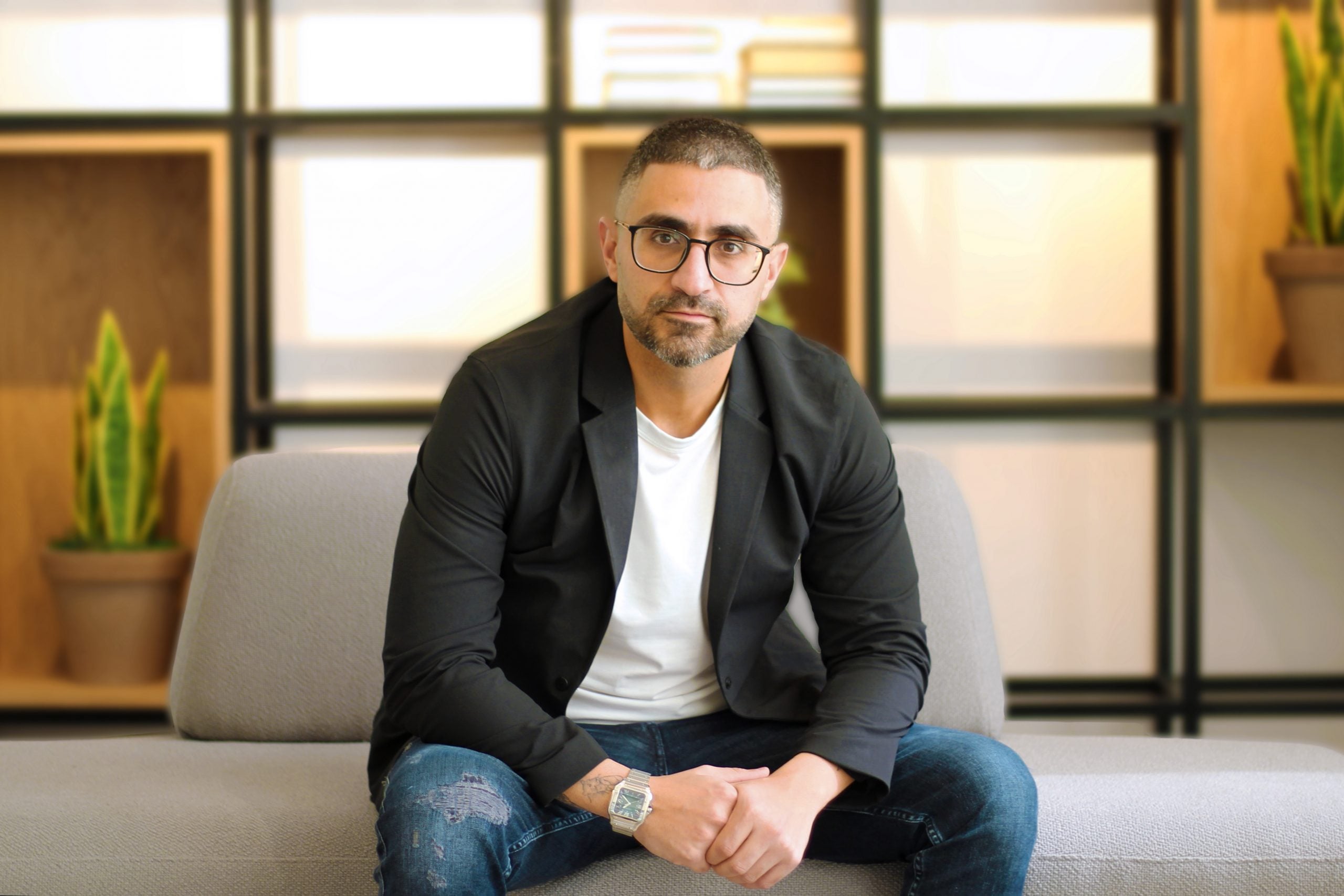
Mario Soufia
Regional Managing Director of Growth and Strategy, WPP Media
YES
Not because they’re hype, but because they’re becoming hygiene. The story with AI isn’t that it’s ‘smart’; it’s that it’s impossibly fast. It can read a deck, a 50-page document, or 3,000 words in the same five seconds it takes you to glance at the title. That changes how we get inspired: we don’t search for answers any more; we get answers and spend time deciding what to do with them. If you’re not working this way, you’re at a disadvantage; you’ve already lost.

Jemma Starzecki
Senior Vice President – Marketing, Al Ghurair Property Management
YES
AI and authenticity will remain firmly on the agenda in 2026. AI has become embedded in how we work, but the real question is whether it risks diluting brands. While people are excited by the possibilities of AI, human connection still matters deeply. As AI continues to evolve, the tension between efficiency and authenticity will only grow, keeping this conversation very much at the front of mind.
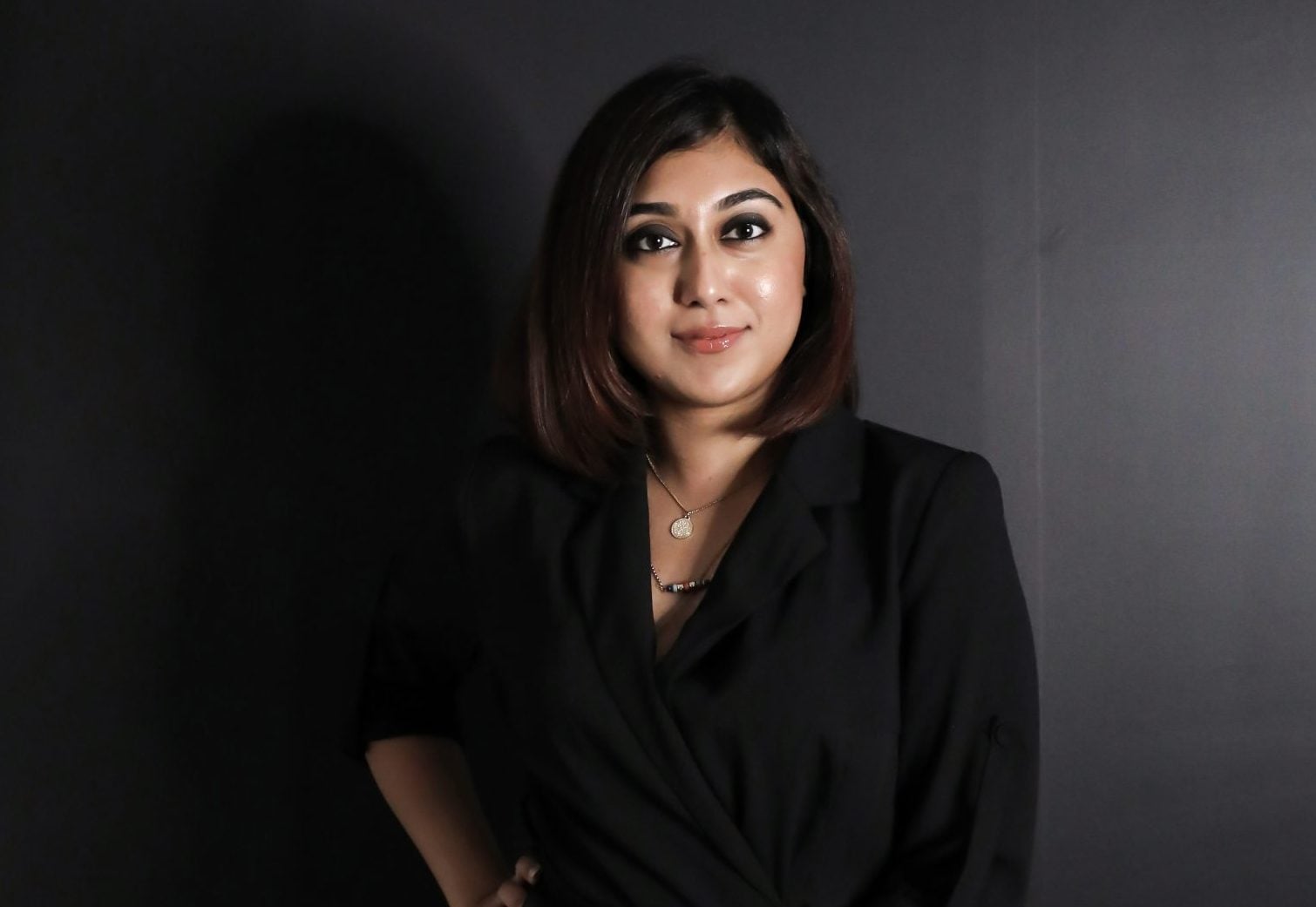
Chandrayee Gupta
Associate Marketing Director, Sarood Hospitality
YES
AI and authenticity will remain very relevant in 2026, but only when they serve a clear purpose.
In hospitality and F&B marketing, AI is becoming a powerful enabler that can help teams understand guest behaviour, personalise communication, optimise media spend and respond faster in an increasingly competitive landscape. However, AI cannot replace instinct, cultural understanding or the emotional intelligence required to build meaningful brands and communities.
Authenticity will matter even more as audiences become savvier and less tolerant of generic content. Guests are increasingly looking for real experiences and honest storytelling that reflect how people live, eat and connect. The opportunity in 2026 lies in using AI to sharpen decision-making and efficiency while protecting the human touch that makes brands feel relevant and trusted.
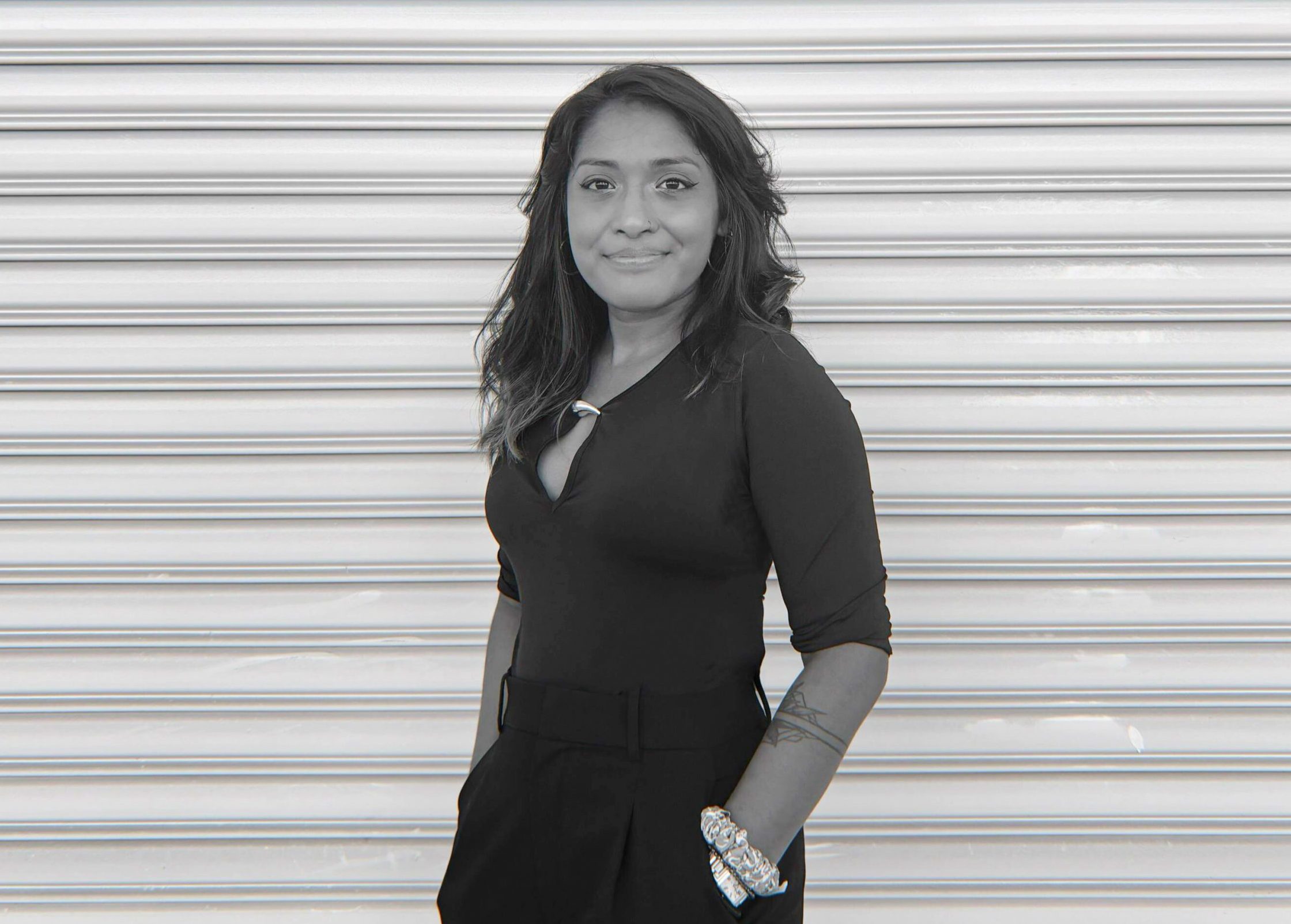
Marissa Ganeshwaran
Senior Account Manager, The Romans
NO
Because they’re not buzzwords. They are both core pieces of comms infrastructure. At this point, they are more like grammar and spellcheck. Authenticity is the voice; AI is the assist. One defines how you sound; the other helps you work smarter. They sit at opposite ends of the spectrum and are equally important to ideation, creation, scale and optimisation. (This is so true that we developed a GEO AI platform to disrupt AI search rankings.) Together, they raise the baseline rather than replace thinking. Both need to be operationalised, not debated.

Aurelien Fonteneau
General Manager, We Are Social
NO
AI and authenticity will still be discussed in 2026, but with less blind enthusiasm. Marketers now understand that while AI can reduce costs and timelines, it doesn’t build brands on its own. Brands are built on resonance, storytelling and craft – not shortcuts.
In 2026, AI will be used with intent: powering tactical, bottom-of-funnel work like digital banners, CRM and print, but not replacing human judgement in awareness and affinity assets. I expect fewer fully AI-generated brand films and more thoughtful co-creation. AI will be an enabler, not the idea.

Yamen Albadin
Lead Developer, Similar
MAYBE
But their definitions will evolve fundamentally. In 2026, AI will transition from a disruptive buzzword to essential infrastructure, fuelled by massive regional investments. We are moving beyond simple content generation into ‘agentic AI’ that will execute more complex tasks, and the application layer of the technology has a massive growth potential.
However, this ubiquity creates a paradox: as AI commoditises speed and scale, trust becomes a scarce resource in the market. Consequently, authenticity will shift from a trend to a premium asset. In a landscape flooded with synthetic content, culturally nuanced, human-crafted narratives will command the highest economic value.
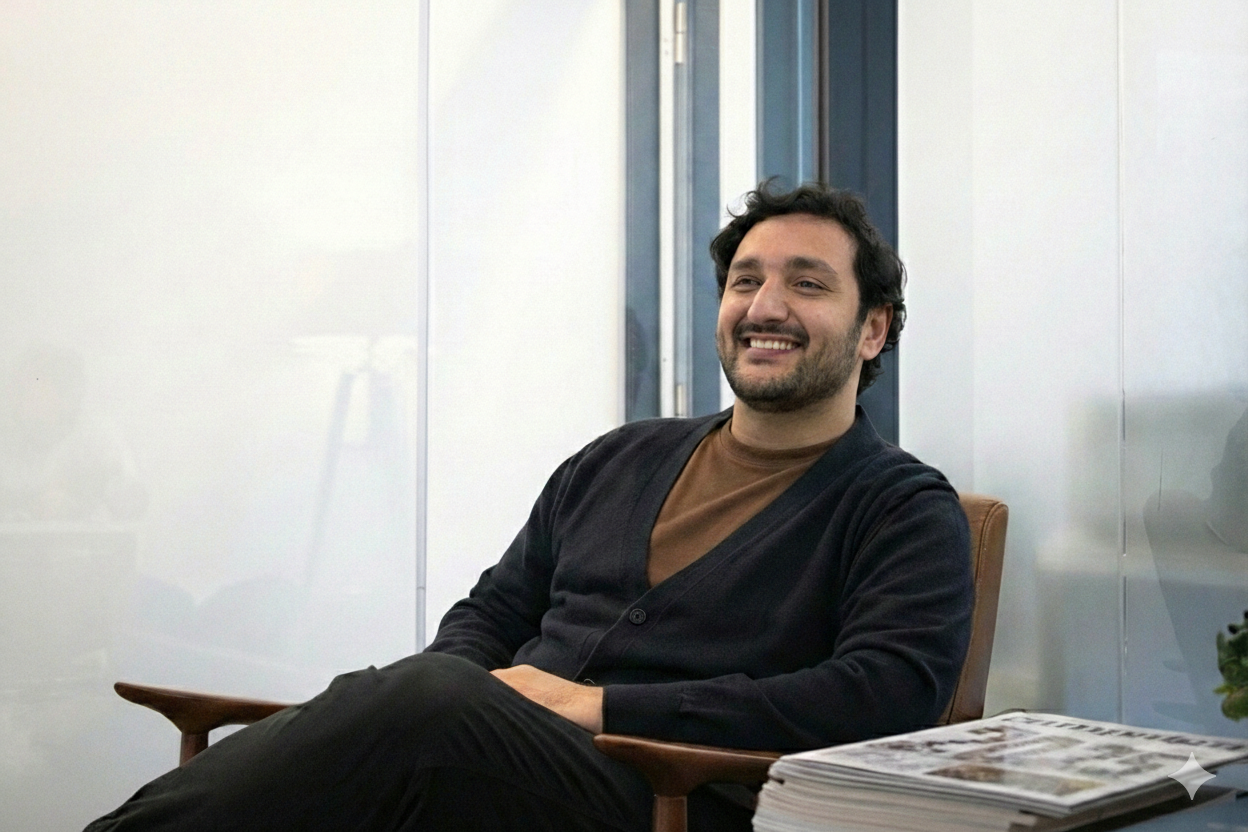
Haresh Harikumar
Director, C2 Comms
YES
AI and authenticity will still be present in 2026, but neither will win on hype alone. AI becomes infrastructure – expected, invisible and table stakes. What differentiates companies is not using AI, but how intentionally they design around it. Authenticity becomes a moat: clarity of purpose, product taste and real problem-solving can’t be faked at scale for long. Organisations that over-index on AI wrappers or marketing narratives will struggle to sustain trust. The long-term winners will be those who use AI to sharpen human judgement, not replace it, and build brands that feel deliberate rather than automated.
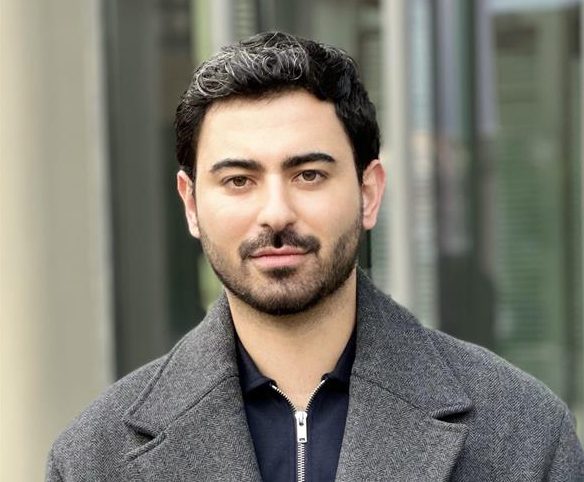
Rabih Chehayeb
Senior Digital Manager, TBWA\RAAD
MAYBE
AI and authenticity will persist into 2026, but their meaning will mature. AI will no longer be a headline; it will be assumed and quietly embedded across creative optimisation and experience design. The real differentiator will be judgement. As automation scales sameness, authenticity becomes a commercial advantage. Brands that rely on AI without a point of view will blur into the noise. Those that use it to sharpen cultural insight, restraint and relevance will stand out. In an era of infinite content and synthetic signals, authenticity isn’t about being ‘real’; it’s about being deliberate. That tension will keep both terms very much alive.

Maya Tayara
Managing Director, iProspect
YES
AI and authenticity will remain defining forces in 2026, not as buzzwords, because they describe two opposing forces that now define the market. After everything we witnessed in 2025, AI is no longer experimental – it is rapidly embedding itself across planning, production, optimisation and commerce. As scale and automation accelerate, the premium on authentic, high-quality ideas will only increase. Audiences are becoming more discerning, rewarding work that feels human, culturally fluent and purpose-driven. At the same time, AI is still evolving, learning and reshaping how value is created, not replacing creativity but raising the bar for it. In 2026, competitive advantage will sit at the intersection of intelligent technology and genuine brand expression.
Read more industry forum articles here.