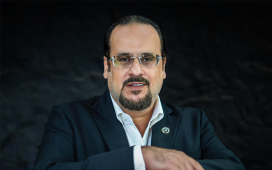
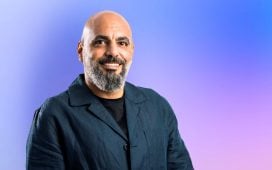
 Alex Malouf, KSA-based communications expert.
For any global investor, the slow burn story of the past couple of years has been Saudi Arabia. From its investments into verticals such as tourism to its moonshots in areas such as urban design, the Kingdom has signaled its intent to both expand its economy while also building sectors that are being noticed globally.
Given the country’s resources, the talent of its people, and its natural resources, I am not surprised by how successful it has already been in its ambitions, such as growing visitor numbers.
The coming couple of years will mark a step change in terms of how Saudi Arabia is seen globally, with 2026 in particular being a pivotal year for global outreach. The coming weeks and months will see the opening of Qiddiya’s first theme parks, the official launch of the region’s latest airline Riyadh Air, and the provision for foreigners to buy property in select areas of the country. Longer term, the country is targeting foreign direct investment inflows of $100bn a year and 150 million visitors, half of which will be international.
Alongside the marketing push, telling the Kingdom’s story internationally is going to be a key element of its promotional efforts. And this is where the opportunity lies in terms of building trust with audiences abroad, dispelling stereotypes and reshaping how global audiences perceive the Kingdom and its transformation under Vision 2030.
To make the most of this opportunity, the Kingdom’s communicators need to consider three key issues. The first is the bigger picture of the Kingdom’s growth, especially within the context of the audience being engaged.
For example, when telling the story of the Kingdom’s urban transformation, I frame its growth through comparisons to what is happening in other countries to give that audience a sense of the country’s scale and ambition; Saudi communicators need to use the right analogies to convey a message that is familiar to your audience, making it easier to relate to (one example of this is the ‘football pitch’ analogy which works so well in Europe through describing a scale visually.
Second is the importance of engagement. The most impactful media results are often the ones with outlets that ask the hardest questions; they allow you to reach new and different audiences. And yet, there’s an understandable reluctance to engage with media which isn’t seen as friendly.
This gets to the heard of misunderstands of how media internationally operates. Any good journalist will ask difficult questions. That is their job, to get to the heart of an issue rather than to repeat verbatim what they are told (if you want this, go take out an ad or pay for an advertorial).
As communicators, it is our role to ensure that the story is compelling, that our spokespeople are trained and they are able to respond to any questions that come their way with answers that win over sceptics – and trust me, there are always sceptics.
Engaging with international media requires preparation, a good story, and trust. Communicators will need to take calculated risks, build relationships internationally and develop an understanding that global outlets do operate differently to their local counterparts. For example, no global outlet of any worth will provide questions in advance or allow content to be seen to edited post an interview.
The final step, which in many respects is the most important, is commitment and persistence. Telling your story and making it stick in the minds of your stakeholders takes time, just as building key relationships with particular outlets takes time. To use another analogy, earned media is a marathon, and the best communicators look to the long-term in terms of building relationships and sharing their stories with their preferred media.
Given the Kingdom’s vision, its achievements to date, and its ambitions, the story can capture the imagination of anyone as long as it is told well. What we need is the courage to get out there and share it with the right media for the audiences we want to reach. If Vision 2030’s international ambitions are to be realised, the Kingdom’s storytelling must be confident, inclusive, and global.
By Alex Malouf, KSA-based communications professional