
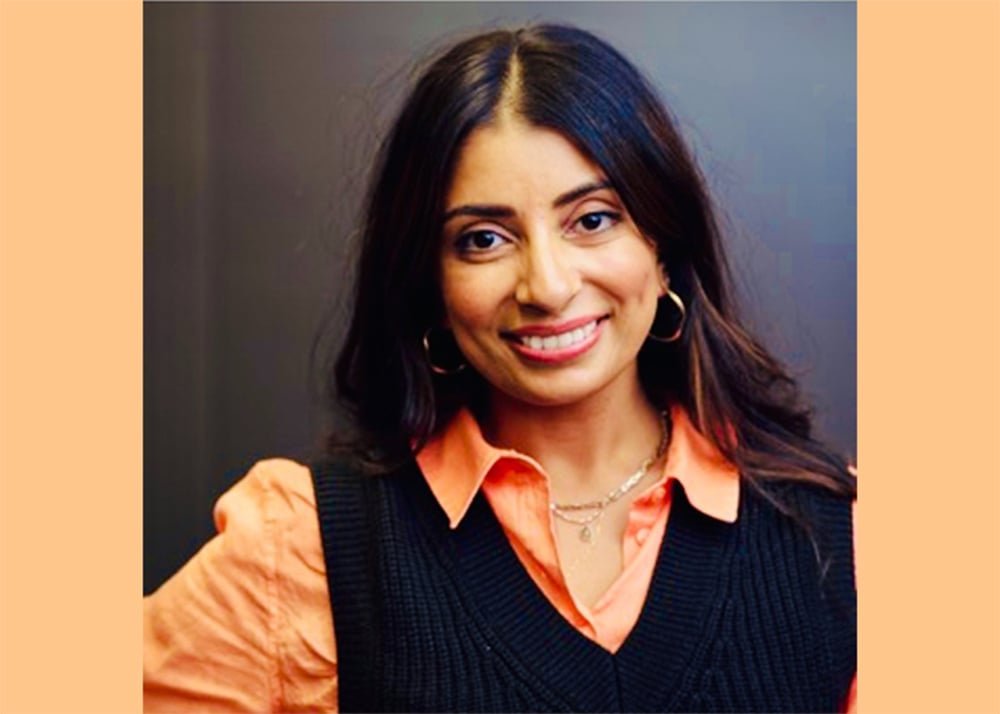
Bal Gill, Founder and CEO, Serani Communications.Once upon a time, oil built the UAE’s fortunes. Now AI is being positioned as its successor: limitless, transformative, and – if you believe the hype – smarter than your average strategist on a Sunday morning. The shift isn’t subtle; oil was the fuel of industry, AI is the fuel of influence.
The UAE has declared it loud and clear: AI isn’t just a tool, it’s a national project. Ministries, investments, entire leagues of AI-powered racing – this country doesn’t wait for the future, it fast-tracks it and shapes it.
But here’s the rub: while oil created skylines and airlines, AI is reshaping something less tangible – trust, perception and reputation. In other words: communications. And yet, much of the comms industry is still treating AI like a novelty app.
We’re asking it to write press releases when we should be asking it to predict crises, decode cultural nuance, and stop us from pitching tone-deaf campaigns before they implode on X (formerly known as Twitter, forever known as brutal). Essentially, allowing it to get into the granular details to help us build backwards, future proofing our work and giving it longevity.
“Artificial intelligence isn’t coming for our jobs. It’s coming for our excuses.”
Embrace the refinery, don’t fear the flame
There’s a temptation to see AI as the enemy – the machine that’s here to steal jobs, junior roles, and maybe even your next Cannes Lions. I get it, I really do.
But that fear misses the point. Just as oil powered new industries instead of eliminating old ones, AI has the potential to widen the scope of comms in the region, not shrink it.
Imagine:
- Pipelines of influence that don’t just distribute messages but anticipate how they’ll land across cultures and languages.
- Faster refinement of insights, turning the region’s rich data into stories that cut through globally.
- Ignition of creativity, where AI handles the repetitive grunt work and frees humans to do what we do best: imagine, provoke, and connect.
- Crisis early warning systems, where AI maps social sentiment in real time and nudges comms teams before a headline becomes a wildfire. Think of it as your digital canary in the coal mine (but much better at hashtags).
- Influencer authenticity checks, where AI cuts through the shiny follower counts to flag who’s genuinely moving culture in the GCC versus who just bought 10,000 “fans” from a warehouse server in Minsk
The list goes on. AI helps comms teams develop forward-thinking, accurate plans in what can often be a very cluttered, noisy space.
And that’s the difference: the campaigns that fully embrace AI will scale bigger, travel further, and last longer – while the rest risk being just another flash-in-the-pan activation that’s forgotten as quickly as it’s posted.
The UAE factor
This is the region where oil built wealth and ambition – but also where innovation never sleeps. If the UAE can reimagine itself from desert outpost to global hub in less than 50 years, surely comms can reimagine itself beyond media monitoring and boilerplate releases.
The opportunity is to use AI not as a shortcut, but as a catalyst – to build smarter, faster, and more dynamic narratives that match the country’s breakneck innovation agenda.
The AI punchline
Artificial intelligence is the new oil. The UAE is building the rigs, the pipelines, the refineries. For comms, the choice is stark: keep fuelling on fumes, or embrace AI as the accelerant that expands our influence and sharpens our relevance.
Because in the end, artificial intelligence isn’t coming for our jobs. It’s coming for our excuses.
By Bal Gill, Founder and CEO, Serani Communications