fbpx
DigitalFeaturedOpinion

Women in advertising: DEI that works

Impact BBDO's Saab of explores how DEI in MENA advertising must move beyond policies and recruitment targets to reshape culture, foster women’s leadership, and drive lasting industry change.

on why DEI in MENA advertising must move beyond targets to drive culture, leadership, and real change.IMPACT BBDO's Christiane Saab on making DEI authentic in MENA advertising, building inclusive teams, and driving meaningful change
  • Is DEI merely a top-down strategic initiative focused on setting goals and targets, or is it also becoming increasingly embedded within the organisational mindset and cultural transformation?

While DEI has gained visibility at the strategic level, with goals and metrics set from the top, it’s not yet fully embedded in the culture of most organisations. I still see a clear gap particularly when it comes to women being supported and pushed into managerial roles. Policy alone doesn’t dismantle bias or shift deep-rooted mindsets.

We are witnessing progress, the woman’s role has moved and some cultural change is emerging but we need to push further to make equity a shared mindset, not just a strategic initiative. DEI needs to become part of how we lead, promote, and build teams, otherwise it risks being surface level rather than a transformative force.

  • What mechanisms or metrics should organisations use to measure the effectiveness of DEI efforts beyond recruitment statistics?

I believe organizations must move beyond recruitment numbers and measure impact. Key mechanisms should include tracking promotion rates, retention, and pay equity across genders. It’s not just about hiring women it’s about seeing them thrive. Leadership path metrics how many women are in mid-to-senior roles, and how fast they get there are critical indicators. Regular employee engagement surveys, disaggregated by gender and role level, can reveal hidden barriers or cultural biases. Organisations should also evaluate the effectiveness of mentorship and sponsorship programmes for women. Data should tell a story not just about representation, but about progression, inclusion, and influence. Only then can we ensure DEI efforts translate into real, sustained change for women in leadership.

  • What do you believe are the biggest hurdles to DE&I within the advertising sector regionally, and how can these be addressed?

One of the biggest hurdles to DEI in the regional advertising sector is the under-representation of women in leadership and decision-making roles. Despite high participation at entry levels, cultural expectations, unconscious bias, and lack of mentorship often delay women’s advancement. Too often, diversity is treated as a numbers game rather than embedding it in the creative and strategic fabric of agencies. To move forward, we must actively dismantle the systems that overlook women’s leadership potential starting with intentional sponsorship, inclusive recruitment, flexible policies, and clear paths to leadership. I believe we must keep pushing the boundaries and holding ourselves accountable not just opening doors, but walking women through them to build truly inclusive agencies that reflect our region’s diversity.

  • Is DEI driving meaningful change, or has it become a superficial trend adopted to align with external expectations?

DEI is moving in the right direction. With strong leadership and clear goals, we’re seeing important steps toward more inclusive workplaces. But like sustainability years ago, DEI can sometimes feel more like a trend, widely claimed, rarely embedded. Real change goes beyond reports and policies it must show up in everyday actions, decisions, and culture. Inclusion should be more than a checkbox. True progress happens when diverse voices are not just present, but heard and valued. The foundation is there we now need leadership with the courage to turn promises into lasting impact. The future of DEI is ours to shape, together.

  • What’s your top learning or observation from the past 12 months that inspired you and fuelled your success?

Over the past 12 months, my greatest learning has been the power of courage, paired with curiosity and adaptability, in a world being rapidly reshaped by emerging technologies like AI. As a creative professional, this mindset has helped me stay ahead of change rather than react to it. What truly fuelled my growth, though, was intentionally expanding my network of inspiring female leaders. These women challenged my thinking, broadened my perspective, and pushed me to grow. I’ve learnt that progress isn’t just about mastering new tools it’s about learning from each other. Together, curiosity, digital fluency, and human connection were the foundation of my personal and professional success.

  • Would you be open to sharing one mistake / failure from your personal life or career that could be a key lesson for others following in similar footsteps?

One of the most defining failures in my life was the end of my marriage. At the time, failure felt deeply personal but then became a powerful turning point. I was embraced by my second family (BBDO), the company that empowered me to grow, lead, and thrive. That support system helped me channel my energy into building a career with purpose and focus. What felt like an ending became the catalyst for growth and professional success. It taught me that failure isn’t final it’s often the push we need to find our true path and potential. Failure doesn’t define us, what you do with it does!

  • In a region where tradition and culture have married modernity and progress, what role does advertising play in finding a balanced path to reaching our DEI objectives?

Yes in our region, tradition coexists with rapid modernisation, and this is where advertising holds the power to shape perception and shift mindsets. It can challenge stereotypes without dismissing cultural values. DEI isn’t just a policy it’s a story we must tell with intention. By consciously crafting inclusive narratives and showcasing diverse talent, advertising becomes more than a business tool it becomes a cultural catalyst. With its reach and influence, advertising can elevate under-represented voices, reflect real diversity, and inspire meaningful change. It gives brands the opportunity to lead with authenticity, not just to sell but to educate, empower, and help build a more inclusive future.

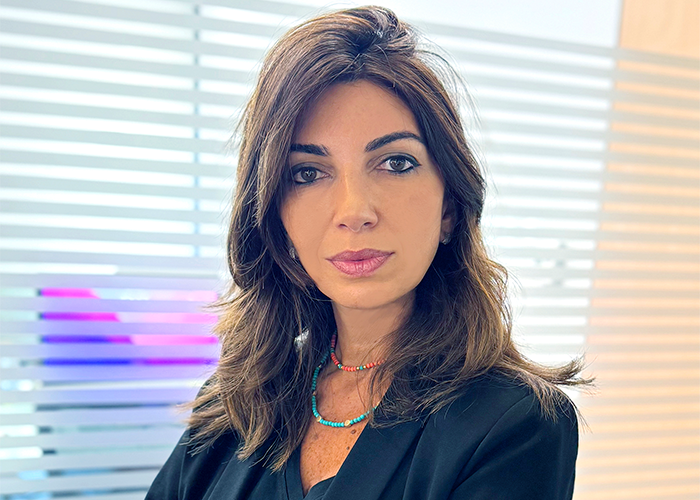
By Christiane Saab, Head of Design, IMPACT BBDO.