- Is DEI merely a top-down strategic initiative focused on setting goals and targets, or is it also becoming increasingly embedded within the organisational mindset and cultural transformation?
I believe DEI is best practised when it is authentically woven into the fabric of an organisation. It might start in the boardroom, but if that’s how far it goes, then we’ve missed the point. Inclusion isn’t generated in HR checklists, it happens when you look at who’s sitting at the table. That said, I know we’re still early in the journey here in our region. A lot of companies are trying. Some are learning. And that’s okay as long as the effort is real. The goal isn’t to be perfect today, but to keep moving toward a culture where everyone genuinely feels like they belong.
- What mechanisms or metrics should organisations use to measure the effectiveness of DEI efforts beyond recruitment statistics?
Recruitment is merely the initial step. Actual DEI is not how different the faces you recruit are, but how you attract and retain those faces, how many you develop, and how many actually shape the work. Organisations will be rewarded for paying attention to the different voices influencing key business decisions. The comfort and ability to voice one’s opinions and to be empowered to lead when the opportunity arises, that’s how you can judge the success of DEI.
- What do you believe are the biggest hurdles to DE&I within the advertising sector regionally, and how can these be addressed?
The greatest barrier to DE&I in the local ad market is the limited pool of local, diverse talent. It makes it difficult to build really representative teams. But instead of considering that a barrier, that should be our job. Investment in the next generation is a potential solution. That includes mentoring, internship, and outreach programmes that build that pool of talent. DE&I is not only about the people we hire today but also about how we build those for tomorrow.
- Do you believe DEI fatigue is setting in within the industry? What will it take for us to reach a world where DEI no longer needs fixing but is just a normal expectation, such as merit, hard work and resilience?
Yes, but of course, there is some DEI fatigue, at least when done as a contrived check-the-box or campaign rather than a long-term initiative. The more we believe in DEI, the more it will become second nature to the way we think, how we hire, how we promote. Where we value resilience and merit, we must value diversity of thought as key to better work, better teams and effective results.
- Is DEI driving meaningful change, or has it become a superficial trend adopted to align with external expectations?
It has in some cases become a superficial trend or a response to external pressures. But when done right, DEI makes teams think harder, create better, and become more robust. The key is honesty: if the effort does not accompany actual actions, individuals will see through that and it will feel insincere.
- How do clients and brands respond to the DEI efforts within advertising agencies? Can we honestly say that this has a strong impact on pitch wins and lasting business relationships?
It’s not always the deciding factor in a pitch. What’s most important is, and always will be, the work. In my experience, certain clients prefer to feel more confident when they see inclusivity in the room. When our team is inclusive, of gender, culture, age, and so on, it indicates that we’ll be able to communicate with their audience in an authentic voice.
- What’s your top learning or observation from the past 12 months that inspired you and fuelled your success?
I’ve come to realise that the greatest creative leadership isn’t that of being the first to say anything , but of listening deeply. And then responding with intention. The greatest moments of the past year weren’t the biggest presentations or the loudest ideas, but the quiet moments of breakthroughs: when we as a team challenged the status quo, when a brave client risked more because they felt understood. Success isn’t just about making great work but also about building brave spaces of freedom to think differently. That, for me, is the true fuel of progress and of creativity.
- Would you be open to sharing one mistake / failure from your personal life or career that could be a key lesson for others following in similar footsteps?
Most certainly. In my early career, I figured excellence would do the trick that if you’re hardworking and you bring brilliant ideas, the rest will fall into place. But over time, I’ve learnt that creativity isn’t only about craft. Leadership requires emotional intelligence. It’s not just about pushing ideas forward but about making space for others to step up and grow alongside you.
- In a region where tradition and culture has married modernity and progress, what role does advertising play in finding a balanced path to reaching our DEI objectives?
The best thing about advertising is that it always chases what’s new – modern ideas, fresh trends but at the same time, it has to stay authentic and grounded in our truth. It’s not about selling change but about making people feel seen in the most authentic way. And that’s why, in our region, we can’t just copy-paste global DEI models. We need to develop our own inclusive stories that reflect both our progress and our culture.
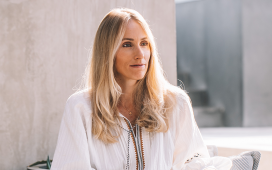
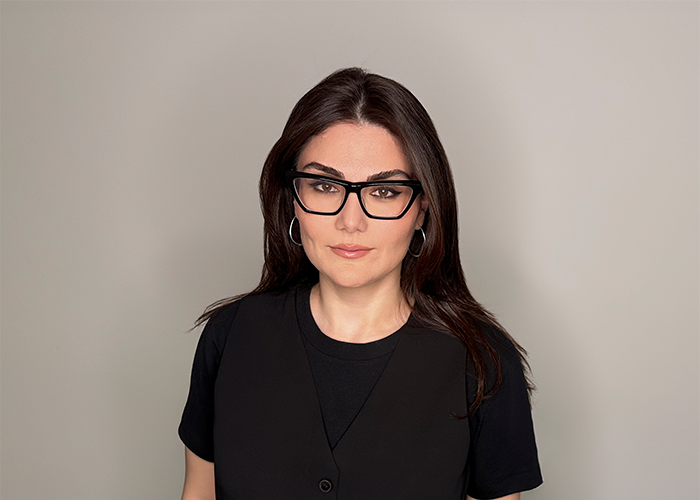
By Rana Sadek, Creative Director at Impact BBDO Dubai.