Emirati Women’s Day (EWD) offers brands an opportunity to spotlight local talent. Yet, too often, these campaigns reduce the opportunity to tokens and symbols, rather than turning to Emirati women as collaborators who can help brands reflect the culture, identity and values of local communities.
In a market where authenticity is increasingly under scrutiny, EWD can serve as a mirror – reflecting the progress brands have made and the gaps that remain.
Emirati Women’s Day: From celebration to stewardship
Campaign Middle East speaks to UAE Nationals, leaders who call for marketers to address ongoing challenges in representation, dismantle tokenism and explore how Emirati voices can meaningfully shape brand storytelling year-round.
But does this mean that brands need to pivot strategically, responsibly, and creatively to ensure Emiratis aren’t just featured, but also co-create narratives that resonate locally?
Emirati Women’s Day exposes what generic gestures alone cannot: the gaps in how brands embed Emirati culture into storytelling, and the distance between performative inclusion and genuine collaboration.
Khaled AlShehhi, Executive Director of Marketing and Communication Sector, UAE Government Media Office, says, “Marking Emirati Women’s Day without changing structures is applause without architecture. To embed Emirati voices, brands need governance, not greetings: Emirati leaders with decision rights in the creative chain, KPIs for cultural authenticity, and annual investment in Emirati talent. Culture is not an event; it is an operating system, and leadership must code it in.”

The challenge isn’t just to celebrate; it’s to sustain – turning recognition into real, ongoing cultural integration within brand and marketing conversations.
Cultural outsourcing or co-creation?
With regulatory changes reinforcing that only Emiratis can represent their own culture online, brands are now being asked to move from superficial portrayal to meaningful collaboration and cultural stewardship.
Sharing his thoughts with Campaign Middle East, First Abu Dhabi Bank (FAB)’s Mohamed Al Awadhi previously explained how misrepresentation goes far beyond cultural appropriation and requires a nuanced understanding of ethical considerations.
He shared how the recent regulation, which mandates that only Emiratis can represent Emirati culture across social media advertising is so much more than just a policy about preservation. It is a concerted attempt to remedy a growing issue: the misrepresentation of Emiratis, and their national identity.
Adding her thoughts on the regulation, Reem AlHarmoodi, Marketing Manager at Amazon says, “The regulation is a reminder that identity can’t be outsourced. Only Emiratis can represent their culture with honesty. Now, we see more brands involving Emirati talent rather than just appearing in them. It shifts the work from being ‘about us’ to being created with us, building credibility through richer storytelling that audiences immediately recognise as genuine.”
In a market where tokenistic gestures are often mistaken for cultural engagement, brands need to move beyond surface-level representation and co-own narratives that not only resonate but feature lived experiences from Emirati voices.
AlShehhi adds, “Featuring Emiratis without giving them authorship is not representation; it’s cultural outsourcing. Brands that still treat Emiratis as a backdrop are telling audiences: we don’t trust you with your own story. True co-creation isn’t a gesture, it’s strategy and it’s the only path to building enduring trust in this market.”
Industry leaders emphasise that this shift is not just a moral imperative, but a strategic one. The difference between co-creation and inauthentic storytelling is the difference between partnership and tokenism.
Saeed AlMheiri, Co-Founder and CEO, Arabeasy Gaming & Services, says, “Brands must shift from token representation to true partnership. This means embedding Emirati voices in strategy, not just campaigns. When Emiratis shape the narrative from concept to execution, authenticity grows. Co-ownership is about shared accountability: the brand gains trust, while Emiratis see their culture reflected with dignity and depth.”
Fatima Al Amiri, Founder, The 94 Project, says, “Co-creation works best when Emiratis are part of the process, not just the final image.”
Leaders agree that the UAE culture should not be watered down to mere symbols – there’s far more to gain from a deeper understanding of Emirati language (not painted with the wide brush of ‘Arabic’), Emirati traditions, and stories derived from lived experiences.
“When brands collaborate with us genuinely, the result feels more authentic and resonates naturally with people here,” Al Amiri adds.

But this requires more than just ‘listening’ and ‘translating’ a message. It calls for marketers to empower local talent.
Arabeasy Gaming & Services’s AlMheiri says, “Emirati talent should lead with the pen, camera and stage, while brands enable with platforms and resources. This shared authorship preserves authenticity and amplifies reach, turning heritage from appropriation into collaboration – creating narratives that remain culturally accurate, globally resonant and build lasting trust and equity.”
AI – a grand mimic that curates ‘Emirati’ clichés without a conscience
Another layer in the conversation is the role of AI-powered tools in campaigns. While AI has changed the game within content creation, it fails under the pressure of ethical considerations.
It’s quite simple: if the people and data sources that feed AI fail to understand what it means to be Emirati, and fails to include them in its development, how can we possibly lean on AI to responsibly represent local culture?
“As AI enhances brand storytelling, the risk is tokenism or cultural dilution. For Emirati Women’s Day, in advertising, brands must keep a local at every stage of AI-generated creatives – anchoring narratives in lived voices, values and settings. AI can drive scale and consistency, but only human cultural insights can safeguard Emirati women’s identity. Technology should amplify it, not misrepresent it,” says Al Awadhi.
Amazon’s AlHarmoodi adds, “AI is powerful, but it doesn’t know what it means to belong to a culture. It can mimic, but it can’t feel. Emirati voices must lead the narrative, with AI as a tool, not the storyteller. Human involvement protects authenticity and prevents misrepresentation. Used thoughtfully, technology can amplify authenticity rather than undermine it.”
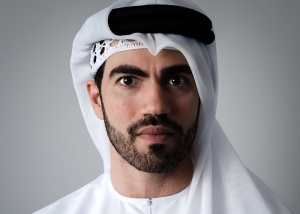
Leaders also open up about what it means to develop a ‘human understanding of local culture’. This goes far beyond the polished representations in curated creatives or the lofty drone shots that show a one-dimensional view of the UAE. The true value lies in understanding at a human level, they say, referring to the values behind Emirati traditions – hospitality and generosity – which carry meaning at a depth that machines fail to reflect.
“That’s where Emirati voices should guide the storytelling, ensuring authenticity while using technology as a tool,” says The 94 Project’s Al Amiri.
AlShehhi adds, “AI can generate content, but it cannot generate conscience. Left unguided, it will turn Emirati culture into clichés; fast but soulless. The solution is to design for authenticity: Emirati lexicons to protect language, curated datasets to protect symbols, and Emirati reviewers to protect meaning. AI should be an apprentice to culture, never its author.”
From a one-off cultural moment to a long-term ‘cultural sprint’
Embedding Emirati culture into brand strategy isn’t just a nice gesture – it’s a capability that shapes credibility, storytelling, and long-term impact.
AlShehhi comments, “Short-term representation is a campaign; long-term engagement is a capability. Move Emirati culture onto the P&L: ring-fenced budget, an Emirati creative lead with green-light authority, quarterly culture sprints, and trust KPIs reported to the C-suite. When capability sits inside the brand, culture becomes daily decision-making not a seasonal brief.”
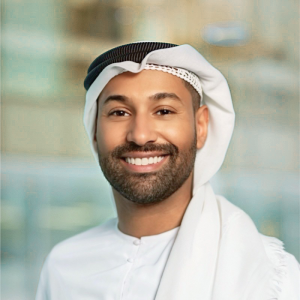
Where AlShehhi highlights the internal structures brands need, AlMheiri points to the importance of sustained, year-round engagement.
AlMheiri, says, “Sustainable engagement requires brands to weave Emirati culture into their DNA, not just seasonal activations. This means investing in year-round platforms, heritage-driven innovation, and youth development programmes. A long-term approach builds continuity, ensuring Emirati culture is seen as an evolving strength that enriches products, stories, and communities beyond one-off cultural moments.”
The message is clear: This Emirati Women’s Day, it’s time to move beyond decorative campaigns and hollow gestures.
Representation becomes reductive when Emiratis are cast as symbols, not storytellers.
Brands that co-create with Emirati voices turn culture into capability – making every story richer, every decision stronger and every connection lasting. Those who don’t risk investing in campaigns that are fleeting and forgettable.
Here’s the call to action: Understand Emirati people, engage with their language and culture, build structures that empower and elevate Emirati talent, foster an environment of co-creation and collaboration, and get comfortable with culture shaping brand identity; rather than leaning on passing trends or marketing moments.