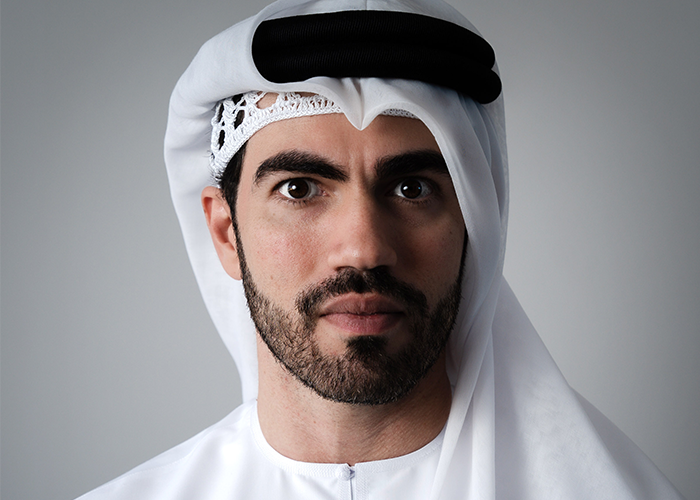
As brands race to be ‘locally relevant’ in the UAE, stereotyped images may appear on advertising: a person wearing a kandura with a ghatra and an agal; or a woman dressed in a hijab with an abaya next to a falcon; or pictures of dhows and deserts. But these do not accurately represent what it means to be an Emirati, leading to Emirati misrepresentation.
Brands in the UAE are realising that advertising success is not just about creativity or effectiveness; there’s another crucial element that goes into the mix: cultural representation.
Brands are noticing how distinct and unique the UAE segment is compared to residents, and they are quickly realising that they must localise their advertisements. However, this also means going beyond Emirati stereotypes.
Most recently, the UAE passed a regulation, which mandates that only Emiratis can represent Emirati culture across social media advertising. While some brands might initially question the need for such a regulation, it has been proven over time that localising ads properly are always more successful. This policy isn’t about excluding actors or visuals; it’s about preserving Emirati culture. It is a concerted attempt to remedy a growing issue: the misrepresentation of Emiratis, and our national identity.
The ethics of representation
It’s essential to advocate for an ethical framework that views advertising not merely as a means to economic gain for brands, but as a moral act. This could be the lens through which we must view representation.
When brands represent Emiratis, they’re not just advertising; they’re also representing the Emirati community. They’re telling a story on behalf of a living culture, a national identity and a people – regardless of the campaign’s objective, whether it is brand awareness, consideration or conversion.
In a country as diverse and rapidly growing as the UAE, navigating cultural nuances is essential. Advertising is a powerful tool: it shapes perceptions, influences behaviour and reflects societal values.
For Emiratis, this isn’t just about gatekeeping. It’s about safeguarding identity. When non-Emirati talents portray Emiratis, wearing the UAE’s national dress or attempting to speak in local dialects, it can often lead to inaccurate or even stereotypical portrayals. These misrepresentations, even if unintentional, risk diluting the authenticity of Emirati culture. Over time, they can influence how Emiratis themselves dress, speak and behave.
What ethical representation looks like
An ethically grounded campaign doesn’t mean being dull. It means being intentional. It asks: Who did we consult? What stories are we amplifying? What does this campaign say about the people it represents – even long after the media spend ends?
Some argue that this policy is simply about creating more job opportunities for Emiratis; and while that may be a by-product, the core of the policy is about respect, representation and responsibility. This requires us to:
Co-create with Emiratis, not just feature them.
Develop narratives that reflect real tensions and triumphs, from environmental stewardship to digital entrepreneurship.
Let go of overused motifs and explore the emotional aspects of ‘being local’ in a globalised country.
Narrate Emiratis values by storytelling in a way that reflects their lived experiences. Campaigns that feature authentic Emirati voices, settings and narratives resonate more deeply than those that rely on generic or imported concepts.
Understand that Arabic is not just a language; it is a cultural cornerstone. Using it correctly and naturally is essential. Even better is the use of Emirati dialect in advertisements catered to UAE audiences, which shows a deeper level of localisation and respect.
If you’re unsure whether your campaign is ethically sound, use the principles of ethical marketing as a checklist. Ask yourself: Am I doing something that goes against these values? When in doubt, consult a certified Emirati cultural expert or collaborate with organisations to ensure your campaign is on the right track.
How talent plays a key role in representation
The advertising industry should empower Emiratis to shape how their stories are told by prioritising authentic storytelling.
To build a sustainable and culturally attuned advertising ecosystem, the industry must invest in a robust Emirati talent pipeline. This means creating opportunities for young Emiratis to enter and grow within the creative sector through mentorship programs, internships, scholarships and partnerships.
By nurturing homegrown talent across disciplines such as copywriting, design, production and strategy, the industry can ensure that future campaigns are not only locally relevant but also driven by authentic voices.
Empowering Emiratis at every stage of the creative process strengthens representation and fosters long-term innovation rooted in authentic cultural identity.
Why Emirati misrepresentation matters commercially
Emiratis are a high-value consumer segment with significant purchasing power and influence. Many brands in the UAE develop dedicated products and personalise communication for Emiratis because they understand their value to businesses. So, brands that earn Emirati trust are rewarded with loyalty, advocacy and long-term relevance.
Emiratis are deeply rooted in tradition, yet forward-thinking and digitally savvy. Also, they are a minority in their own country – so, how they are represented matters immensely. Authentic representation in advertising means investing time and effort into understanding the subtleties of their identity and giving a genuine voice to the people being represented.
This means holding ourselves accountable to a higher standard than just a policy. Also, approaching advertising from a moral lens can offer brands a competitive advantage. In the long run, Emiratis will be more likely to trust and remain loyal to advertisers that accurately reflect their identity and values in brand communication.
Looking ahead
As we move forward, another layer of ethical consideration is emerging, the use of AI in marketing and advertising. The rapid development of AI-powered tools has revolutionised the creation of campaigns.
While these technologies offer efficiency and innovation, they also raise important ethical questions: Who is accountable when AI-generated content misrepresents a culture? How do we ensure that AI tools are trained on diverse and inclusive datasets? How can marketers use AI responsibly without compromising authenticity?
To be a top brand in the UAE, representation isn’t just a nice-to-have; it’s a must have.
By Mohamed Al Awadhi, Vice President – Personal Banking Marketing, First Abu Dhabi Bank (FAB)