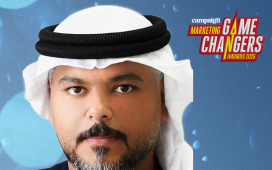
Hisham Elsaied, Leadership Development Strategist and Managing Partner, High Breed
In the Middle East, ambition has never been a problem. We have bold plans and big dreams. The speed of progress here is unmatched. I’ve worked in many parts of the world, and I can honestly say: no place plans and moves forward like the Middle East. But what turns a powerful idea into lasting impact isn’t just the strategy behind it — it’s the leadership that brings it to life.
The kind of leadership that’s not only creative on paper, but courageous in practice.
The kind that asks sharper questions, makes wiser calls, and builds trust — especially when the path isn’t clear and ambiguous, shaped by global uncertainty, regional tensions, economic shifts, and the reality of a post-Covid world that continues to redefine how we live and lead. It’s a shift we don’t talk about enough.
Because the truth is, even the best idea won’t go far without someone ready to lead it.
According to PwC’s Middle East Workforce Hopes and Fears Survey 2023, 52 per cent of employees said leadership is out of touch with their needs. And according to Gallup’s Global Workplace Report, the MENA region has one of the lowest engagement scores globally — and outdated leadership styles are a major reason why.
The visions shaping the Middle East today are among the most ambitious in the world. And with this momentum comes a new kind of opportunity: To equip leaders at every level with the confidence, mindset, and adaptability needed to carry these transformations forward.
Leaders today are not following step-by-step instructions. They’re making quick decisions, managing diverse teams, and allowing space for creativity while keeping people accountable.
As creative firms scale across borders, they’re learning that technical skill is not enough — emotional intelligence and contextual sensitivity are now key performance drivers.
As the region grows, we must also grow how we train and support our leaders. That’s where a new definition of leadership begins: Creative leadership.
Creative leadership isn’t about having a certain personality; it’s about building habits and ways of thinking that help create progress. The best leaders in the region are building these four:
- Curiosity: They ask deeper questions instead of faking certainty.
- Clarity: They create direction — even when things are messy.
- Connection: They know how to flex their style and still build trust.
- Courage: They act decisively — even when the path isn’t clear.
Yes, results still matter. But how you achieve them matters too. It’s not about trying to please your boss or team. It’s about knowing when to act, when to wait, and when to admit you don’t have the answer.
Creative leadership is both an art and a responsibility, and the best leaders are those who adapt to context, read the room, flex their style, and remain grounded under pressure.
They don’t just give orders — they help people understand the why.
They don’t just motivate — they help everyone move together.
And this change is already happening. I’ve seen global companies change how they grow local talent. I’ve seen government teams balance policy with care. I’ve seen young leaders in the Gulf stop pretending to be someone else and simply be themselves — and yet succeed.
Leadership in the Middle East is no longer about commanding attention or showing off. It is not about having a fancy title or a senior position. It’s about creating alignment, shaping culture, thinking clearly and building others as you build forward.
Creative leaders in the Middle East understand that success is a shared effort, not a solo journey. These leaders make people feel seen, heard, and empowered. They build strong teams, value diversity, and know how to create safe spaces for bold ideas to grow. They are not afraid to try new things, to fail, and to learn. Most importantly, they lead with heart. As we look ahead, the real measure of progress will be the leaders who lift others while moving forward.
The future of leadership in the Middle East won’t be about titles or perfect speeches. It will belong to those who lead with purpose — even when they don’t have all the answers. It takes strength to stay kind under pressure.
As the Middle East sets new standards for growth, the leaders who will truly stand out are the ones who lift others up while getting things done. Because in the end, it’s not just the strength of the idea that matters — it’s the quality of the leadership that carries it through.
The next big steps in our progress will be made by those who help others believe in the journey and the ideas too. They will be made by the ones we call: The Creative Leaders. That’s the kind of leadership we need.
By Hisham Elsaied, Leadership Development Strategist and Managing Partner, High Breed