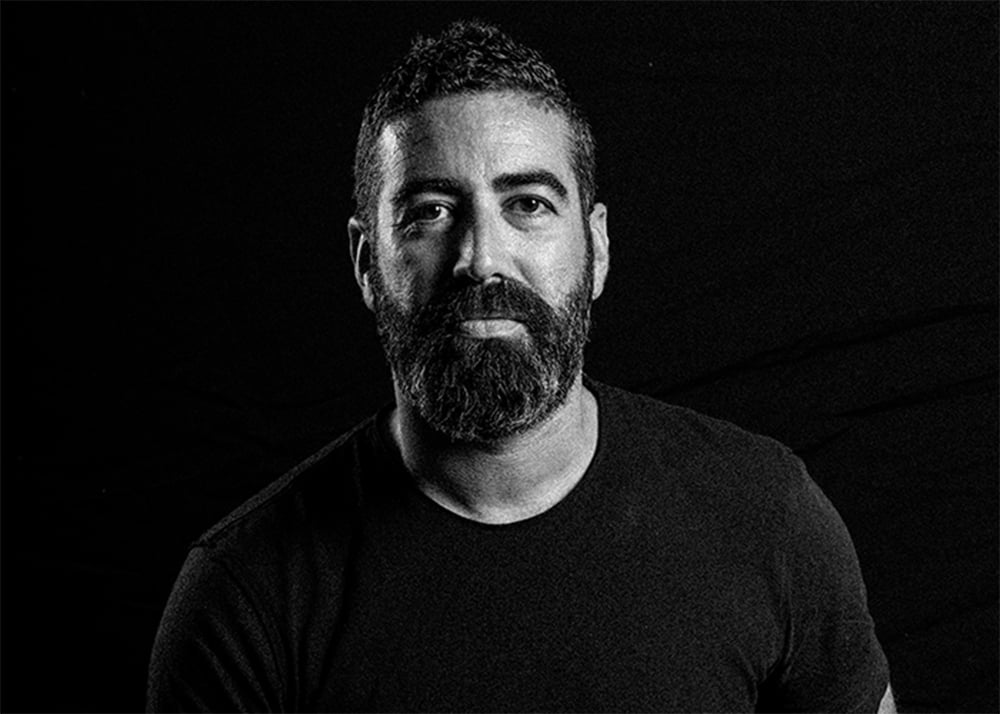
 David Balfour, Co-founder, LIGHTBLUE
As the Super Bowl approaches, brands around the world are preparing to spend millions on 30-second spots. The immediate question from stakeholders? “What’s the ROI?” But here’s what makes the Super Bowl fascinating: the brands that win aren’t the ones chasing immediate conversions. They’re the ones willing to make bold bets on creativity that resonate for years.
In boardrooms across Dubai, that same ROI question dominates every creative discussion. When success is measured only by short-term numbers, we risk undermining the very thing that makes brands resonate: creativity.
Now, with AI promising to automate everything from content generation to campaign optimization, the pressure to prove immediate returns has intensified. Yet many brands are discovering that AI-generated content, while efficient often lacks soul.
Tickets to Campaign Middle East’s Ramadan Breakfast Briefing & The Year Ahead event are selling out fast. Click here to claim your seat for Friday, 13 February to network with and listen to top clients and agency leaders.
Consider the difference between Coca-Cola’s AI-generated Christmas campaign in 2024 which faced backlash for feeling soulless and their decades-old “Holidays Are Coming” work that still resonates emotionally. The latter required human insight into what Christmas means, not just what performs well in A/B tests.
The Super Bowl lesson: Creativity that lasts
Every year, brands spend upwards of $7m for a 30-second Super Bowl spot. But the ads we remember aren’t the ones optimised for instant conversion.
They’re Apple’s “1984,” Budweiser’s Clydesdales, or Coinbase’s bouncing QR code that broke their servers but also defined a cultural moment. These weren’t safe bets.
They were creative gambles that paid off because they understood something deeper than quarterly targets: they were planting seeds in culture. That’s the kind of thinking Dubai’s brands need to embrace.
Where experience meets emotion
You can measure footfall at an activation, but how do you quantify the moment someone realizes your brand “gets them”? That’s when a transaction becomes a relationship.
Dubai is uniquely positioned here. From pop-up experiences in DIFC or Kite beach to immersive activations during a SoleDXB or Ramadan take-overs, the city has become a playground for brands willing to create memorable moments.
But when AI can instantly replicate digital tactics, a brand’s ability to create genuinely original experiences is its greatest defense.
The AI-creativity balance
This isn’t an argument against AI. The most successful brands use AI to amplify human creativity, not replace it. AI handles data and optimization while humans provide the lateral thinking and emotional intelligence.
You can’t automate the feeling someone gets when they walk into a perfectly designed brand activation. These experiences are where creativity earns advocacy, not just attention.
Measuring what really matters
How do we talk about ROI in a way that satisfies the CFO or procurement teams while protecting the creative idea? By broadening our definitions:
Cultural equity: Is the brand shaping conversations, not just joining them? Are people using your brand as cultural benchmark?
Emotional impact: The brands that create feelings create followers. This is particularly powerful in experiential marketing and can be measured through sentiment analysis and qualitative feedback that AI can’t capture – just ask Fix Chocolate, whose pop-up experiences have turned customers into brand storytellers.
Longevity: Does the idea still matter in six months or six years? Great brand experiences become part of local lore.
Advocacy: In an age of AI-generated content, authentic human advocacy especially from experiences people actually lived through is more valuable than ever.
These aren’t soft measures. They’re leading indicators of resilience and profitability.
The cost of not investing
The real question isn’t, “What’s the ROI of creativity?” It’s, “Can you afford not to invest in it?” Brands that underfund creativity may save money this quarter but risk irrelevance in the years ahead.
In Dubai, irrelevance arrives faster than anywhere else. Consumers here are globally savvy, exposed to best-in-class experiences from around the world, and increasingly intolerant of generic, algorithm-driven content.
Those who bet on creativity lead culture. They’re the brands that spark movements, inspire belonging, and achieve loyalty money alone can’t buy.
They’re the ones people talk about at dinner tables, not just on balance sheets. They’re the brands that AI learns from, not the ones that learn only from AI. It’s marketers who lead culture – not procurement’s race to the bottom.
A final thought
As millions watch the Super Bowl in the coming days, they’ll see brands take creative risks on the world’s biggest stage.
The smartest marketers know that the real ROI won’t be measured on Monday morning it’ll compound over months and years as those creative ideas embed themselves in culture.
For Dubai’s brands, the boldest move is to think beyond the quarter, beyond the algorithm, and invest in the one thing that guarantees relevance: human creativity, intelligently amplified by technology, not replaced by it. The future belongs to brands that understand the difference between an impression and an experience.
By David Balfour, Co-founder, LIGHTBLUE