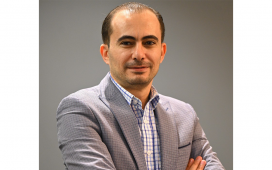
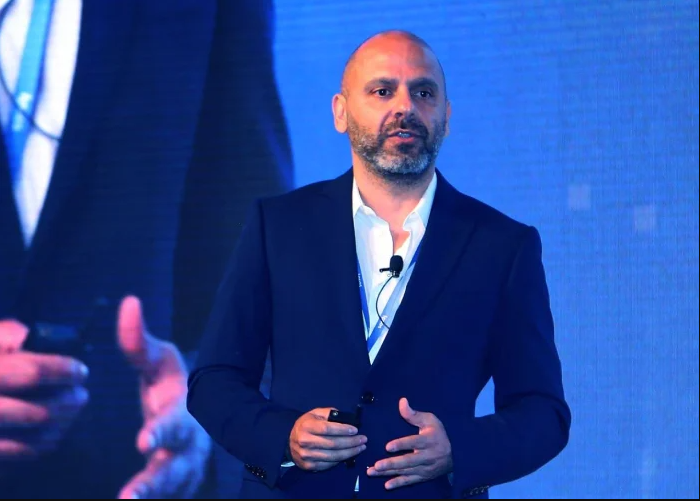
 Elie Aoun.
I have worked in the media industry in the MENA region for so long (more than 32 years), and it has been more than a year that I hung up my boots.
I spent my 32 years in media measurement, starting at a time when newspapers were at their peak, radio had authority, and television ruled.
I witnessed the glory days of all three. They were media that shaped opinions, built brands, and influenced entire societies with a level of trust that carried real weight.
Then new platforms arrived, and every time, with them, the same fear: This new medium will kill the one before it.
Radio for example was supposed to end newspapers. Television was supposed to destroy radio, and recently digital was supposed to erase television.
In 2006, when a newspaper used to make in one week what its website made in one year, marketers were turning around agencies, advertisers and brand owners, preaching about the death of newspapers. Many people even lost their jobs! This used to upset me a lot.
I have been hearing that digital is going to erase television since 2010, but this didn’t happen.
The problem was that those false acclamations were spread by people who just wanted to get on the wave, and in my opinion, a lot of them – with all due respect, lacked enough knowledge, to make those claims. I had the opportunity to be exposed to 90 countries, due to my global role, and those claims were mostly only happening in our region.
The truth is no media was dead. What happened, was evolution. Newspapers adapted, radio became more intimate, television reinvented itself and digital multiplied storytelling at an unprecedented way. After three decades in media measurement, one shift stands out more than any other – who measures performance.
In traditional media, measurement was handled by independent third parties, mainly global players. The players and the referee were clearly separated. The system wasn’t perfect, but credibility came from independence. However, with digital media, that line was blurred.
Platforms distribute the content. They own the data, they define the metrics and report the results. In many cases, the player is also the referee. Imagine this happening in an actual football game!
That doesn’t make digital media wrong, do not get me wrong, as many might do, but it does make blind trust dangerous. I have so many examples about that, in our region and globally. What I am trying to say, for all people who work in this industry, mainly the young ones, evolution is not the problem, but unquestioned acceptance is. So before deciding, ask questions, be curious, and do not take things for granted.
I cannot deny that old models were disrupted, and yes habits were broken, but new media also created more access, more voices, more speed, and more opportunities than ever before, and media – old and new ones – didn’t lose its purpose, it changed the rules.
And after 32 years in media measurement, one thing is clear to me: The future of media won’t be decided by technology alone, but by how seriously we take trust, accountability, and credibility.
Media doesn’t die. It evolves.
But credibility? That still has to be earned.
By Elie Aoun.