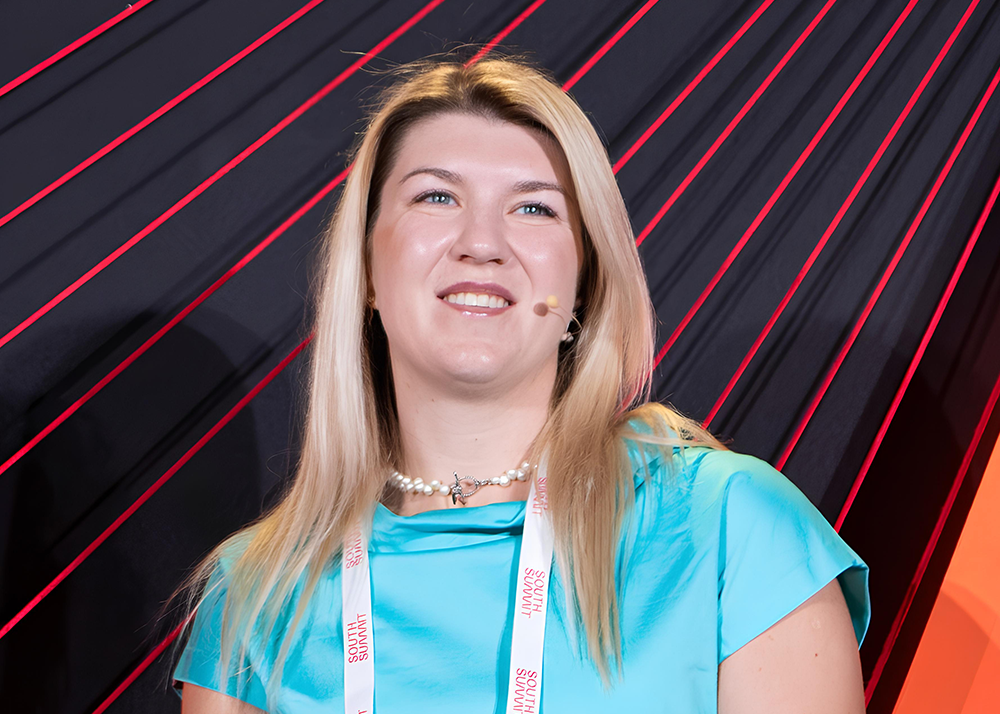
 Ekaterina Gorbacheva, Global Expansion Lead at Flowwow, a gifting marketplace.
 The Middle Eastern market today is buzzing – too much choice, too much content, and not enough connection make it harder for brands to catch their audience.
With nearly 70 per cent of online shoppers in MENA never finishing their carts, it’s clear that now is the time to switch from just selling to creating emotions.
From recommendations to relationships
Personalisation has come a long way from simple recommendations. Today, it’s about making each customer feel seen and understood. With 71 per cent of consumers expecting brands to offer personalised offerings, companies that nail this can see their revenue grow up to 40 per cent higher than their competitors.
Spotify’s ‘Blend’ playlists combine two users’ music tastes into a single playlist, creating a shared experience that’s both personal and social. Engagement rates have risen, and users spend more time in the app.
What’s more, personalisation paired with social interaction fosters community – and 56 per cent of users say they’re feeling closer to brands that offer social features. Careem added several personalised features to its service. Beyond its in-app promotions tailored to user habits, it has also run charitable campaigns where users could donate their ride-hailing points.
Culture that connects
What makes a brand truly resonate in a market as diverse as the UAE where more than 200 nationalities live together? It’s about the emotional response behind real stories. So, it’s more important than ever for brands to feel the power of unity and cultural sensitivities, together with the significance of moments such as Ramadan, Eids and UAE National Day.
Emirates airline celebrated Ramadan by offering culturally inspired meal boxes with traditional dishes and Al Sadu patterns. IKEA’s ‘Togetherness Assembled’ campaign showed how its products could help create special moments and connections around the iftar table, focusing on family bonds. Uber Eats respected local traditions by adding a time-sensitive feature to schedule food deliveries for iftar. By tapping into the cultural heritage of the region with relevance and sincere involvement, brands may create deeper emotional connections with
their audience.
Voices that sell
Think about the last time you bought something because a friend swore by it or because you saw someone like you using it online. Chances are, it felt more real than any advert could. Research by Nielsen shows that 92 per cent of consumers trust peer recommendations over ads, and emotionally resonant content can increase purchase intent by 23 per cent. It’s important to turn your customers into real brand advocates whose feedback can bring more consumers. That’s the power of listening and storytelling.
Instead of shouting about features, the best brands talk about their customers’ struggles – and show how they help turn pain into solutions and doubt into confidence. It’s about creating a dialogue that makes people feel seen, not sold to. Beauty brand Glossier taps into Millennial and Gen Z rejection of overly polished pictures, combining user-generated content with personal stories to celebrate ‘beauty in imperfection’. As a result, the brand turned real people into both the face and the voice of the brand.
One more beauty brand – Huda Beauty, founded in Dubai by Huda Kattan, grew on the wave of users and fans sharing real makeup reviews and tutorials.
Trust that lasts
Marketing fatigue is real, with 67 per cent of consumers saying they’re feeling overwhelmed by marketing messages. To make people truly believe you, it’s important to go beyond demographic segmentation and delve into the deeper motivations that drive behaviour. Like, what makes their heart melt? What’s the key to evoking nostalgia?
Alo Yoga, for example, chose to promote a lifestyle of wellness, self-expression, and mindfulness that speaks to its buyers. Targeting health-conscious women aged 25-40 who value sustainability and quality, the brand aligns messaging, collaborations, and content with its audience’s aspirations. User-generated content, empowering taglines, and partnerships with yoga instructors all reinforce a relatable, trustworthy brand identity. Emotional alignment, rather than purely aspirational messaging, fosters loyalty that endures.
For Middle East commerce, the game has changed, with every interaction becoming a chance to connect or to lose a potential customer. The brands that will lead aren’t just selling products; they’re building trust. The winners will be those who treat strategy, customer experience, and culture as one, blending personalisation and storytelling to build a loyalty that lasts.
Because, in the end, trust isn’t a bonus feature; it’s the ultimate differentiator.
By Ekaterina Gorbacheva, Global Expansion Lead at Flowwow, a gifting marketplace.