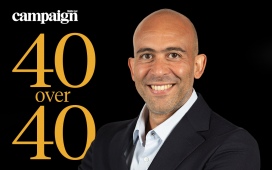
 From left, Fadi Nakhle, CEO, and Martino O'Brien, Managing Partner and Creative Director, YouExperience
There’s a dangerous misconception spreading across FMCG boardrooms in the region. That wholesalers and private labels are a temporary problem. That consumers are “just trading down.” That once economic pressure eases, loyalty will magically return.
It won’t.
What we’re witnessing across MEA — especially in markets like Saudi Arabia — is not a dip. It’s a structural shift. And brands that don’t react now will soon find themselves explaining how they lost relevance while still spending millions on advertising.
Consumers aren’t disloyal. They’re doing the math.
Let’s start with the uncomfortable truth. Consumers are under pressure. Inflation, rising living costs, housing, education — all while lifestyle expectations are going up, not down.
In Saudi Arabia, for example, spending on entertainment, experiences, travel, and lifestyle has exploded. Concerts, events, dining, sports, gaming — this is where money is going.
So where does the saving happen? It happens in everyday FMCG choices.
Consumers are not abandoning brands emotionally. They’re optimising financially. And wholesalers and private labels are perfectly positioned to benefit from that behaviour.
One brand. One basket. Zero regret.
Wholesalers and private labels aren’t winning because they’re better marketers. They’re winning because they’re simpler.
One brand.
One price logic.
One promise: “You’ll save money — and it’s good enough.”
For a consumer trying to balance lifestyle spending with household costs, that promise is powerful.
And once that habit forms, it sticks.
This is where big brands are dangerously wrong: They think the switch is temporary. In reality, it’s behavioural.
The shelf is the battlefield — and some FMCG brands are losing it.
Private labels and wholesalers are not just cheaper. They are more visible, better placed, easier to navigate, and faster to decide.
At shelf, complexity loses. When shoppers are rushed, budget-conscious, and overwhelmed, the brand with the clearest value story wins — not the loudest campaign.
And here’s the brutal part: Many big FMCG brands don’t even realise how badly they’re losing at shelf.
Ask Europe’s Car Industry How This Ends.
If this sounds familiar, it should. European car manufacturers laughed off Chinese brands.
“They’re cheap.”
“They lack heritage.”
“They won’t last.”
Then electric vehicles changed the rules.
Chinese manufacturers didn’t win with brand legacy. They won with speed, value, relevance, and understanding the new consumer reality. Now they’re crashing the market.
FMCG brands are heading toward the same mistake — underestimating competitors who don’t play by old rules, while defending equity that no longer guarantees choice.
This isn’t market share loss for FMCG; it’s a potential extinction risk.
This is not about losing a few percentage points of share. If wholesalers and private labels continue growing at current rates, brand portfolios shrink, innovation slows, marketing budgets come under pressure, and equity erodes quietly, then suddenly.
And once consumers normalise buying non-branded essentials, winning them back becomes exponentially harder.
This is not a marketing problem.
It’s a survival problem.
What FMCG brands must do — before it’s too late
There is no silver bullet. But there is a clear response: If you don’t own the shelf, you don’t own the business.
Most brands are still flying blind at shelf. They talk about penetration and loyalty while ignoring visibility gaps, range overload, poor navigation, and the gap between price perception and reality.
Shelf intelligence solutions are no longer optional. Brands need SKU-level, store-level, and area-level truth. You cannot fight wholesalers without understanding how — and where — they are winning.
The shelf is not execution. It is strategy.
Generic advertising is a luxury consumers can’t afford
Consumers under pressure don’t respond to broad promises. They respond to relevance.
Market-specific, area-specific, even neighbourhood-specific communication is no longer a “nice to have.” It’s how brands stay connected while private labels stay convenient.
Advertising must reflect local realities, local budgets, and local trade-offs. Relevance beats reach when wallets are tight.
Value Is the new equity defense system
This is where many big brands get uncomfortable. Equity alone is no longer enough.
Brands must clearly and confidently communicate value — not cheapness, but worth. Why paying more still makes sense. Why quality matters. Why the brand earns its place in the basket.
This does not replace brand building; it protects it.
The brands that win will be the ones that can do both: build long-term equity and defend short-term value. Private labels already understand this balance. Big brands must catch up.
Ignore this and the shelf will decide for you. Wholesalers and private labels are not waiting. They are expanding, improving, and normalising their presence in consumers’ lives.
Economic pressure didn’t create this shift — it accelerated it.
And here’s the final truth FMCG leaders need to accept:
Even if the pressure eases, the danger will not disappear.
The only question is whether brands act now to reduce its size — or wait until it’s too big to stop.
Because once consumers stop choosing brands by default, the comeback story becomes very expensive.
By Fadi Nakhle, CEO, and Martino O’Brien, Managing Partner and Creative Director, YouExperience