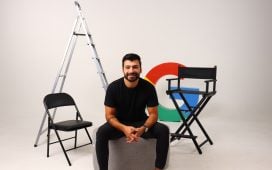
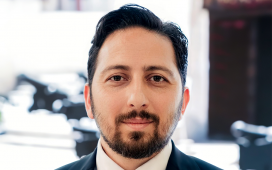
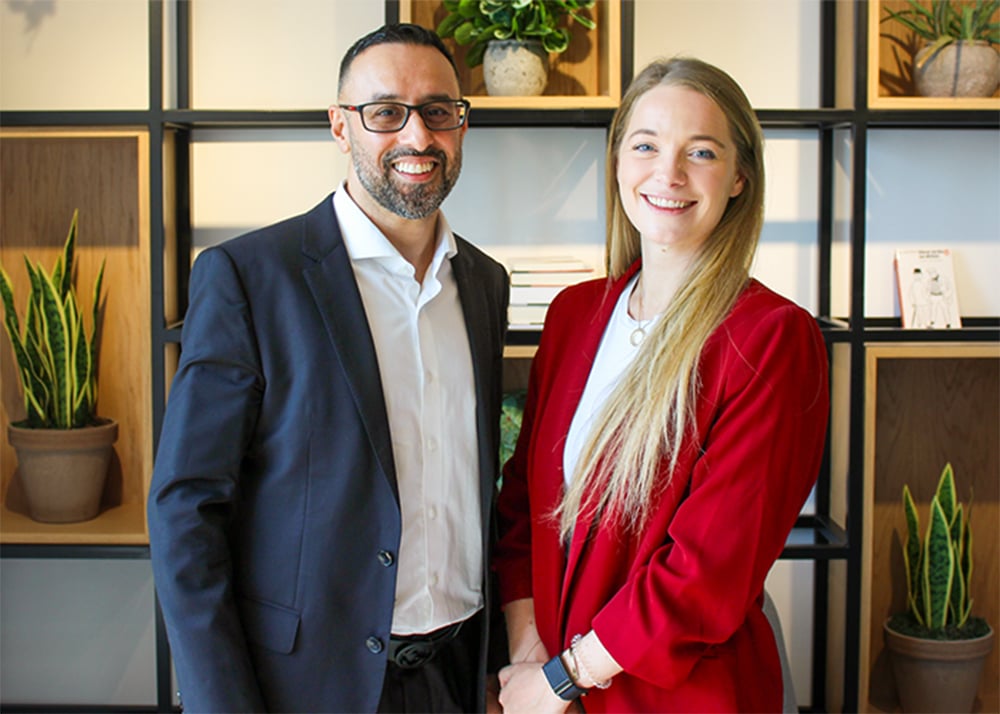
 From left, Gurdeep Matharu, Head of SEO MENA at WPP Media; and Laura Gleadhill, General Manager MENA of Keyade, a WPP Media brand.
The rise of generative AI is fundamentally reshaping how consumers discover brands and information. With AI Overviews now answering queries directly within search results, traditional metrics such as click-through rates are no longer the full story. For marketers, this shift presents both a challenge and an immense opportunity.
WPP Media‘s teams are not just observing these changes; they are actively developing the next generation of search strategies to ensure our clients thrive. In this insightful conversation, two of its leading search experts, Gurdeep and Laura, break down how WPP Media is adapting to this new reality.
Discover their expert take on the decline of traditional clicks, the rise of a “Total Search Strategy,” and the practical steps WPP Media is taking — from voice and multimodal content optimisation to new measurement models — to maintain our clients’ visibility and drive growth in the AI era.
Laura: I’m analysing a significant drop in CTR for a key client and wanted to get your perspective. We’re seeing a sustained decrease across both organic and paid, despite aggressive impression share tactics and copy testing.
Gurdeep: We’re observing this pattern across several accounts. What types of queries are most affected?
Laura: Primarily long-tail, informational queries. For example, “what’s the best telco provider in the UAE” or “family SIM card bundles in the UAE.” We’ve even broadened our match types, and while impressions are stable, the traffic volume has declined.
Gurdeep: That’s characteristic of the impact from AI Overviews. These AI-generated summaries are answering queries directly in the SERP, causing users to bypass traditional organic and paid listings. They either get their answer from the summary or click directly to a cited source.
Laura: That aligns with my analysis. What is our strategic approach for measurement and optimisation in this new environment?
Gurdeep: Our strategy is shifting from a purely click-based model to one centered on visibility and influence. We’re implementing a ‘Total Search’ framework. The key pillars are:
- Voice & Conversational Search: Optimising for natural language queries as LLMs power more sophisticated voice assistants.
- Concise & Direct Content: Structuring content for brevity and clarity to increase the likelihood of being featured in AI-generated summaries.
- Multimodal Asset Optimisation: Ensuring our images, videos, and audio are optimised for discovery platforms like TikTok, Perplexity, and Google’s Circle to Search.
- Authority & Trust (E-E-A-T): Reinforcing Experience, Expertise, Authority, and Trust signals through rigorous fact-checking and consistent messaging to ensure our content is prioritised by LLMs.
- Structured Data & Semantic Markup: Leveraging advanced schema to help AI agents interpret and surface our clients’ content accurately.
- AI Traffic Auditing: Implementing new tagging in GA4 and GTM to track LLM referrals and interactions, helping us quantify our presence within AI Overviews.
- Integrated Paid Search: Testing PMax and other AI-driven campaign formats for eligibility in AI Overview placements, balancing paid visibility with organic presence to prevent cannibalisation.
Laura: This is a critical evolution, especially as Google begins rolling out ad placements within AI Overviews. I need to develop a proactive proposal for the client. Can we collaborate on that?
Gurdeep: A unified strategy is essential. We need to outline how we’ll measure success beyond the click. As agentic AI evolves to complete tasks like booking or purchasing directly, our attribution models must adapt. We’re already exploring metrics like LLM sentiment tracking, AI citation frequency, and direct brand integrations with platforms like Perplexity.
Laura: How should we prioritise the transition to this AI-led search strategy across our client portfolio?
Gurdeep: We’re prioritising verticals most impacted by informational queries, such as retail, travel, and telecom. We also assess each client’s content maturity and technical readiness to adopt structured data and conversational formats.
Laura: What does a phased rollout of a ‘Total Search’ approach look like?
Gurdeep: Phase one is aligning messaging and landing pages across all channels. Phase two involves implementing shared measurement frameworks and dashboards. Phase three is full integration, where insights from one channel directly inform and automate optimisations in another.
Laura: And how do we measure success in this new context?
Gurdeep: We’re building models around brand citations, sentiment analysis of AI responses, and share-of-voice within Overviews. We also track engagement on multimodal assets and use custom dimensions in GA4 to isolate and analyse AI-driven traffic patterns.
Laura: Is a unified dashboard to track AI Overview visibility and LLM citations across clients feasible?
Gurdeep: We are already prototyping a solution. It integrates data from GA4, Screaming Frog, and JetOctopus with citation data from platforms like Perplexity and Google’s SGE. It provides a foundational view of our clients’ visibility in this new ecosystem.
Laura: Should we be briefing our creative teams differently?
Gurdeep: Yes. Messaging must be clear, structured, and machine-readable. Creative briefs should now include schema requirements and guidelines for a conversational tone to ensure content is easily interpreted by AI agents.
Gurdeep: The core takeaway is that the evolution of search is accelerating. With AI shaping how users discover and decide, siloed SEO and paid media teams are no longer viable. A ‘Total Search Strategy’ — with integrated measurement, shared insights, and coordinated optimisation — is the only way to ensure our clients maintain visibility and maximise efficiency in this new landscape.