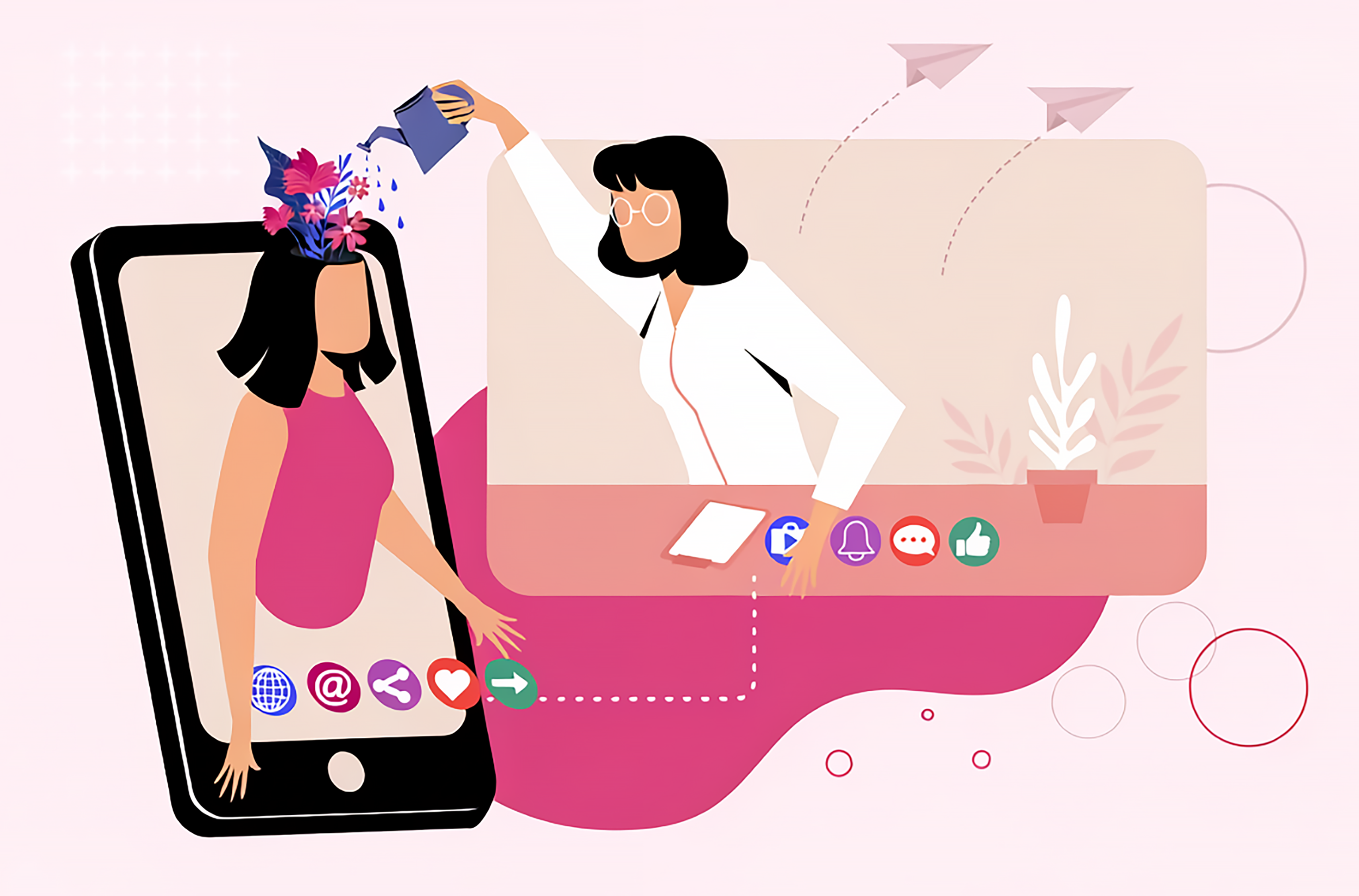
As social moves into a new phase with the change in audience and evolution of AI, Campaign Middle East asked industry experts: Should brands and agencies continue investing in partnerships with virtual influencers and AI-generated creators?
Here’s what the industry experts had to say:

Zeena Kurd
Regional Director of Social Comms, Boopin
NO
Especially when we’re referring to brands and agencies. We’ve been calling for authenticity for years, and AI-generated creators are the complete opposite of that. Brands and agencies need to show up in ways that feel accurate, relevant and rooted in the communities they speak to. As of now, there are no real ‘AI communities’ to belong to. Perhaps that changes by 2036, once we’ve moved beyond the experimentation phase of folding AI into creative and storytelling work, and its role feels sharper and more defined. But for now, virtual influencers feel more like a gimmick or a tool than a credible investment.
Ravi Kiran Cheni
CMO & Regional Marketing Head, VinFast Middle East
YES
With the rapid evolution of AI, few areas of marketing have undergone as profound a transformation as content creation and communication. Traditional influencer marketing remains powerful, but it is often constrained by time, cost and limited creative flexibility.
Against this backdrop, virtual influencers and AI-generated creators are emerging as a compelling alternative. These digital personas offer brands scalable, highly controllable and globally adaptable solutions for audience engagement – positioning them at the forefront of modern marketing strategies. While concerns around authenticity, trust and emotional connection persist, advances in AI are rapidly narrowing these gaps. In contrast, the advantages are immediate and measurable: complete creative control, anytime availability, long-term cost efficiency and seamless scalability across markets. The future of marketing is not about replacement, but integration. Human creators remain essential for building trust and driving meaningful conversions, while virtual influencers provide scale, efficiency and consistency. Together, they enable brands to deliver innovative, impactful and future-ready campaigns.

Alok Gadkar
Co-Founder, CEO & CCO, Tuesday Communications
YES
It’s not a simple yes. It comes with a creative caveat. AI is now the new toy everyone wants. Fair enough, it does merit an investment. But let’s not stop at token use of AI, like it was a mandate. What happens when you push it hard? We may find something that moves the needle creatively in a genuine way. Here’s the challenge. A lot of what we’re seeing today with AI feels the same. Slick, yes. Fast, yes. But very indistinguishable.
The brand that wanted everything created in AI is now looking exactly like its competitors. Differentiation has left the chat. Try this. Look at performance campaigns in a category like healthcare in the UAE. Scroll for a bit. You’ll notice a pattern – same faces, same aesthetics and same outputs. It has gone from creation to cloning. I am all for AI creators that are pushing the boundaries. One day, someone will find a way to make brands feel distinct again. That’s exciting and worth supporting. I’m not convinced about virtual influencers. If a brand is built on connection, what does it mean when that connection is manufactured? So, the real question isn’t whether we should invest in AI. We should. The question is, are we using AI to create or just to replicate?

Aurelien Fonteneau
General Manager, We Are Social
YES
If they meet the same fundamentals as any other influencer partnership: authentic content, real engagement and a clear brand/audience fit. The real question isn’t ‘is it AI?’ but ‘why does this creator resonate?’ It’s about understanding what their community values and having a clear vision for how the brand can plug into that narrative naturally. In the end, it’s not about the tech: it’s about the strength and cultural relevance of the idea.

Rawan Ahmed
Campaign Manager – GCC, Starfish Agency
NO
Brands should not continue investing heavily in virtual influencers and AI-generated creators because influencer marketing fundamentally relies on authenticity, trust, and real human connection. Audiences follow creators because they value their genuine experiences, personalities, and perspectives – not because they want to hear recommendations from digital characters. When a virtual influencer promotes a product, the message often feels closer to traditional advertising than a trusted recommendation. The strongest influencer campaigns consistently come from real creators who bring their own voice, culture, and personality into the content. When brands give creators creative freedom to express ideas in a way that fits their style, engagement and credibility naturally increase. AI may support brand-owned content, but true influence comes from real people audiences believe and relate to.

Michaela Pereira
Social Media Lead, Amber Communications
NO
Not as a primary strategy. Virtual influencers and AI content can scale reach and cut costs, but they can’t replicate trust. And today, trust is the currency. Audiences aren’t just getting better at spotting what’s manufactured; they’re actively looking for it. And when they find it, the backlash is real. People want stories they can see themselves in. AI should be a tool, not the face of your brand. The brands winning long-term are those doubling down on human stories, using AI behind the scenes – not instead of people. My vote? Invest in humans. Let AI support them.

Nikita Phulwani
Founder & CEO, Mumkin Marketing Management
NO
Personally, I’m not in favour of brands leaning too heavily on AI creators. While the efficiency is undeniable, authenticity is still the real currency of influence. Creator economies have grown precisely because audiences connect with real people, real emotions, and genuine experiences. Industry reports estimate the global creator economy to be worth more than $250bn today and projected to reach nearly $480bn by 2027, largely driven by community trust and human storytelling. Brands could certainly use the power of AI to create content faster for their owned channels, for example, by developing a digital avatar or AI-generated character that can quickly disseminate communication, product updates or brand storytelling without the need for a full production shoot each time. Be honest and transparent about it being AI-generated, though.
The risk with AI creators is that over time the content can start to feel less personal and more manufactured. Technology today is so advanced that audiences often cannot distinguish between what is real and what is AI-generated. But the moment audiences realise that a personality they believed in is actually AI, it can pull them away from the brand twice as fast and damage that sense of trust. Also, the world we live in today is increasingly about offline communities that are first created online. People follow creators, but they also attend their events, meet them, buy from them and become part of a real community around them. AI can’t replicate that human connection, at least not yet.
AI should remain a tool that supports creativity, not one that replaces the human voice. Brands that will win long-term are the ones that continue to build real communities around authentic storytellers.