fbpx
AdvertisingCreativeDigitalEditors' PicksFeaturedMarketingMediaThe Work

Publicis ME, deja vu display lasting legacy, life left by ‘Strangers’ donating organs

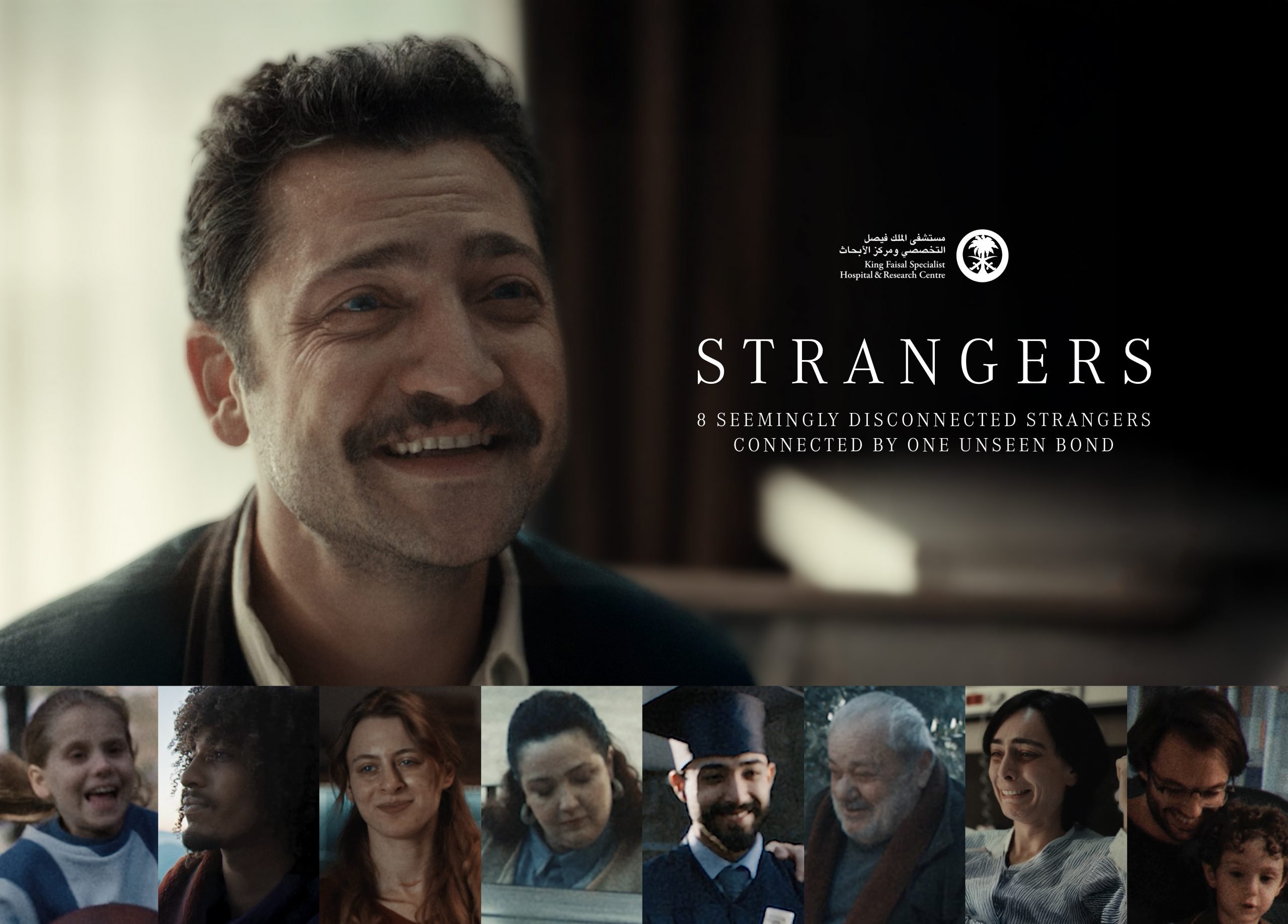
The 3-minute 44-second 'Strangers' film campaign, which tells the stories of eight people whose lives were saved by a single organ donor, was brought to life by creative agencies Publicis Middle East and Deja Vu Dubai.

Publicis Middle East deja vu Strangers campaign

King Faisal Specialist Hospital and Research Centre (KFSH&RC) has launched a new campaign bringing attention to the value of organ transplantation through a simple idea: we live on through what we give.

The 3-minute 44-second film campaign, titled Strangers, was brought to life by creative agencies Publicis Middle East and Deja Vu Dubai, with Deja Vu Dubai handling the production and post-production, BMRG Films handling the line production, Cold-Cutz handling the editing and Company 3 overseeing the colouring.

The Strangers campaign  tells the stories of eight people whose lives were saved by a single organ donor. Without dramatic twists or overstatement, the film lets the idea speak f


To continue reading this article you need to be registered with Campaign. Registration is free and only takes a minute. Register Now or sign in below if you already have an account.
the authorAnup Oommen
Anup Oommen is the Editor of Campaign Middle East at Motivate Media Group, a well-reputed moderator, and a multiple award-winning journalist with more than 15 years of experience at some of the most reputable and credible global news organisations, including Reuters, CNN, and Motivate Media Group. As the Editor of Campaign Middle East, Anup heads market-leading coverage of advertising, media, marketing, PR, events and experiential, digital, the wider creative industries, and more, through the brand’s digital, print, events, directories, podcast and video verticals. As such he’s a key stakeholder in the Campaign Global brand, the world’s leading authority for the advertising, marketing and media industries, which was first published in the UK in 1968.