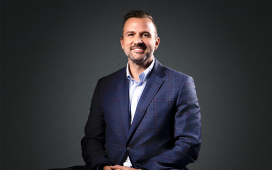
MPN’s Executive Director James Harrison tells Campaign Middle East why the next phase of out-of-home (OOH) evolution will depend on transparency, consistency and collaboration.
How have data and tech changed the way OOH campaigns are planned and measured in the past year?
It’s only really getting started. The industry has talked a good game about data and measurement for years, but much of the execution still relies on traditional media metrics. There are a lot of unverified or inconsistent data sources circulating, and that can sometimes do more harm than good. The real value of data comes from confidence, not quantity. The next phase must focus on validation, transparency and consistency across the ecosystem. Once everyone is working from a common, trusted framework, the technology can do what it’s meant to do: help advertisers plan campaigns with precision, measure attention rather than exposure and attribute outcomes with real credibility.
How are brands balancing traditional static OOH with digital screens and programmatic buys?
Traditional static still holds a strong position, particularly in this region, where iconic large-format placements continue to shape brand identity. The growth of digital screens beyond Sheikh Zayed Road and other flagship locations has brought greater reach, flexibility and creative agility. Static delivers long-term fame and permanence; digital enables contextual storytelling; and programmatic introduces agility and scale. The strongest campaigns blend all three, combining timeless brand-building with the dynamic responsiveness of digital. Programmatic is still finding its feet, but as networks grow and audience data becomes more robust, it will evolve from an experiment into an essential part of the OOH mix.
How do you see programmatic DOOH changing the relationship between buyers, media owners and technology providers?
Programmatic has democratised access to OOH, giving buyers the ability to transact through the same demand-side platforms (DSPs) they use for online media. That convenience has opened new doors, but it’s also raised new challenges around measurement, pricing and the role of data. Costs per thousand impressions (CPMs), tech fees, impressions and audience verification still mean different things to different players, and until the industry aligns, there will always be uncertainty around value. The future depends on collaboration, media owners providing verified data, buyers demanding clarity, and technology partners acting as the connective tissue rather than intermediaries. Once that trust is built, programmatic will strengthen relationships across the chain, not fragment them.
How is OOH being integrated with other channels to create more connected brand experiences?
OOH has never been more connected, but it requires smarter planning to make those connections meaningful. When used alongside cinema, radio and digital, it can create a powerful multi-platform ecosystem where each channel amplifies the other. For example, OOH delivers reach and visual impact, cinema brings immersion and emotion, while radio adds frequency and familiarity. When combined, they build both scale and depth. Increasingly, brands are also using data triggers and synchronised creative to link OOH with social and mobile, turning awareness into action. The key is integration, planning these platforms together, not in silos, to deliver consistent storytelling that follows audiences through every part of their day.
What role will creative play as the medium becomes more data-driven?
Data helps us plan smarter and will always be top of my agenda, but creativity will always be the heartbeat of OOH. Algorithms can tell us who’s there, but only great creative can make them care. As the medium becomes more intelligent, the challenge is to use data as fuel for ideas, not a set of guardrails. The most effective campaigns will combine insight and imagination, using audience context, environmental cues and live data to inspire creative that feels timely, relevant and human. In the end, it’s the bold ideas that make people look up, not the targeting strategy.