Three of Lush Middle East’s best‑selling bath bombs now carry new names – Diversity, Equity and Inclusion (DEI). The change is more than a re‑labelling exercise; it reflects how the brand is using everyday customer touchpoints to keep values visible. The renaming coincides with growing conversations around diversity, equity and inclusion (DEI) across the region, from shifts in workplace policy to greater representation in leadership.
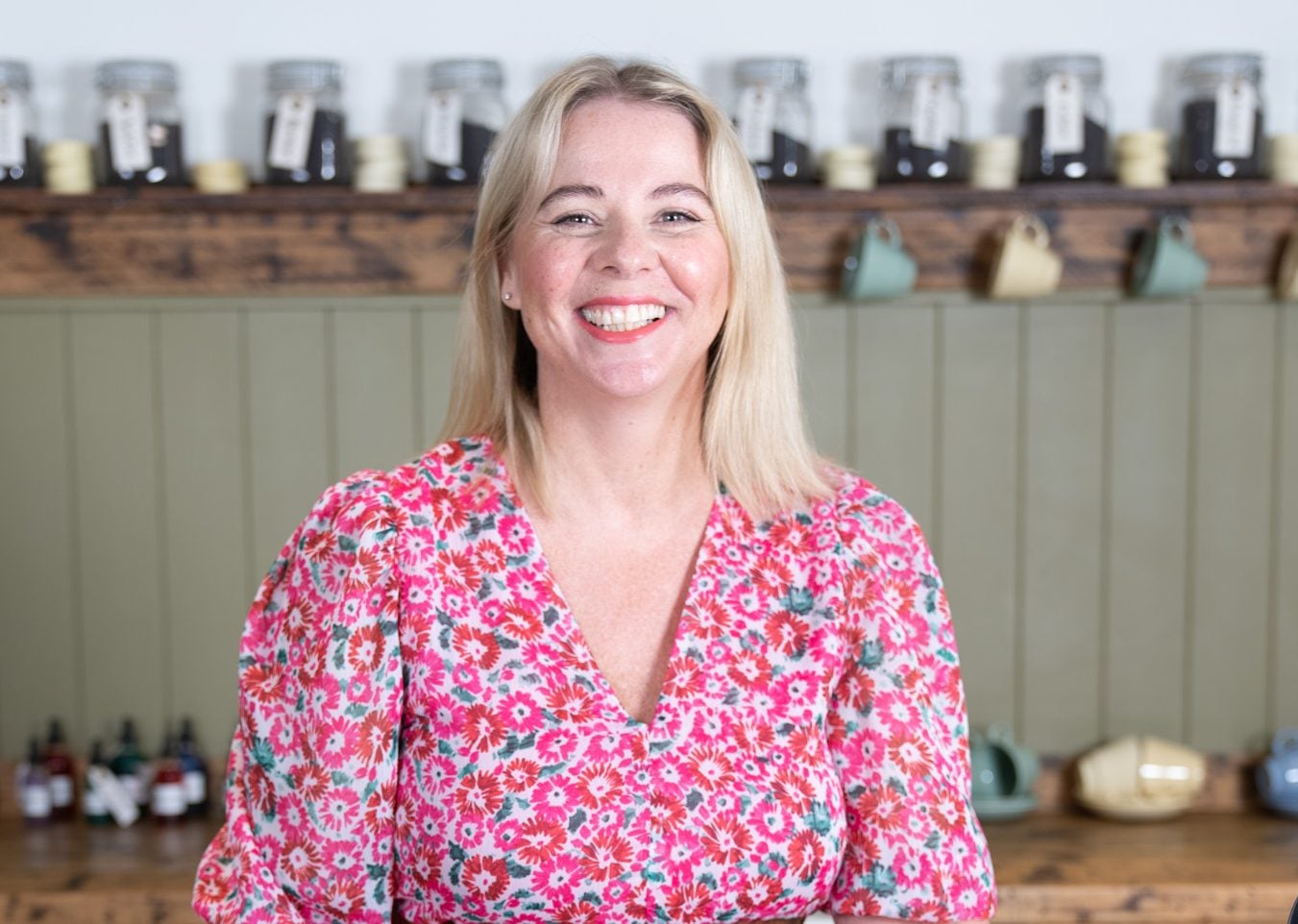
Anita Baker, Managing Director of Lush Middle East (UAE & Bahrain), tells Campaign Middle East that the move reflects DEI principles long embedded in the company’s culture. “When we renamed Thermal Waves, Sakura and American Cream to Diversity, Equity and Inclusion, it was a way of making our values more visible. These weren’t new principles to us; they’ve long shaped the way we hire, operate and grow. The new names just reflect them more clearly.”

While recent developments have seen some DEI initiatives rolled back in parts of the world, Baker says the Middle East is moving in the opposite direction. “There is a noticeable shift happening across the region. DEI might not dominate headlines just yet, but it’s increasingly being woven into public policy, workplace culture, and how customers relate to brands.”
Within Lush’s own regional workforce, 38 nationalities are represented, more than 82 per cent of staff identify as female, and more than 75 per cent of management roles are held by women. The brand has also set a target to increase Emirati representation by 50 per cent over the next year. “The appetite for change is there. From our offices to the shop floor, our role as a beauty and campaigning brand is to make sure we’re creating spaces where that change feels welcome and meaningful.”
Making values visible, responsibly
For Baker, products can be platforms for purpose. The renaming of the Lush bath bombs – Thermal Waves, Sakura and American Cream – to Diversity, Equity and Inclusion is one example. “Products carry meaning – sometimes more than we realise. Whether gifted or picked up during a regular shop visit, they spark curiosity and keep important conversations alive in everyday settings.”
She mentions that the retail environment itself is a powerful channel for brand values. “Every element of retail is a chance to communicate something deeper. Our shops are not only places to discover fresh, handmade cosmetics; they are spaces where people engage with ideas. With younger customers, especially, we see an openness to dialogue around fairness and representation. Purpose‑led retail resonates strongly when it’s honest and embedded into the experience, not layered on top.”
That honesty begins with living the values internally. “We are always careful to never use DEI principles and other ethical concerns as marketing tools. If these issues are featured in our shops, it is usually through highlighting the work of campaign groups and charities that work on these issues,” Baker explains. “Our company practices must reflect these values and principles if our staff are expected to get behind campaigns in their storefronts and shop floors. We cannot expect our staff to talk about changes that are needed in the world if we aren’t already living and believing in those values within our own company.”
However, advocating for social issues in a diverse market such as a Middle East requires a measured approach. “It begins with understanding the context in which you’re working. The Middle East isn’t a monolith, it’s a patchwork of languages, customs and histories. A respectful, well‑informed approach matters more than ever.”
For Lush, this means adapting messaging with cultural awareness while staying true to its principles. “The UAE, in particular, prides its values of tolerance, and we fully align with this direction. But staying relevant here doesn’t mean softening our values; it means knowing when to speak, how to listen, and how to act in a way that’s culturally aware and genuinely constructive. People want to see that a brand stands for something, but they also want to know that it understands its environment. It’s about dialogue, not disruption.”
Building a credible DEI strategy
Baker believes internal culture is the foundation of credible external messaging. “You can’t expect your external message to land if your internal practices don’t reflect it.”
Lush runs inclusive hiring initiatives such as Group Hiring Parties, where applicants meet a diverse panel and one another. Respect at Work training and dedicated People Experience teams aim to create psychologically safe environments where people feel empowered to speak up. Many leaders in the region have grown with the business, including community partnerships lead Aisha Balla, who joined during the launch of the first Dubai store more than 20 years ago.
“It’s this consistency, from staff onboarding to senior leadership, that gives our external voice credibility. We don’t just say we care about diversity, equity and inclusion; it is in everything we do, every single day.”
For Lush measuring DEI success goes beyond sales. “Of course, we track our business performance, but we also look closely at staff retention, internal mobility and customer feedback. Long‑standing team members and engaged shop staff are proof that our internal culture fosters growth and loyalty.”
As a privately owned company, Lush can take a longer‑term view, she says, which allows it to maintain programmes such as Bring It Back recycling, partnerships with local initiatives like The Waste Lab, and ethical campaigns that may not appeal to every audience but remain consistent with company values. “Having a clear, consistent voice grounded in values creates trust, and that trust is something we value more than short‑term popularity.”
Advice for marketers
Baker’s starting point for DEI is internal. “Before crafting an external campaign, take a hard look at your internal environment. Who’s in the room? Who’s not? What voices are being heard, and which ones are being overlooked? True representation begins with your team, not your tagline.”
She points to the Co‑Create programme, a global focus group that curates cultural occasions such as Diwali and Eid al‑Fitr with products designed by and for those communities. The now‑viral Sticky Dates range originated from Middle Eastern staff input. “We invest in spaces that encourage invention, feedback and collaboration because inclusion thrives in environments that are open to being challenged and changed.”
Her final advice is to treat DEI as a sustained commitment rather than a seasonal theme. “Consistency and patience go a long way. Purpose‑led branding is not a sprint! It’s a continuous, evolving commitment. Let it grow with your team, your business and the community around you.”