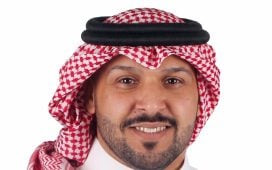
As automation reshapes planning and streaming grows across MENA, in this industry snapshot,ATL’s EVP– Revenue. Medhat Houalla provides a look into the state of media planning in the region, including commerce media, culturally-led content and automation.
What does meaningful media planning and investment look like in 2026, and how has that definition evolved over the past year?
Meaningful media planning in MENA in 2026 is driven by AI-powered optimisation, now fully embedded in marketing operations. Commerce media is rapidly expanding and has grown by 23 per cent, reshaping consumer journeys. Connected TV (CTV) has become a central investment pillar, fuelled by strong streaming growth across platforms like Shahid, OSN+, Netflix and YouTube. Within this ecosystem, ZEE5 provides premium CTV reach, while Zee Arabic FAST Channels offer culturally aligned, always-on viewing for Arab audiences.
DOOH has also grown by more than 23 per cent with the support of GCC digital infrastructure, while retail media continues to be the region’s fastest-growing data-driven channel.
In an ecosystem shaped by automation, algorithms and platform dominance, what should the media industry protect at all costs?
In MENA’s fast-evolving, digitally mature ad market, the industry must protect audience trust, cultural authenticity and creative integrity above all else. With GCC markets increasingly dominated by digital-first, mobile-led and influencer-driven consumption, preserving local relevance and Arabic-first storytelling has become essential as Saudi cultural influence grows regionwide.
As automation and platforms scale, the region must defend transparent data use, brandsafe environments and high-quality local content ecosystems that avoid homogenisation. And as budgets shift to AI-driven and CTV-led planning, protecting independent publishers, creators and culturally grounded narratives ensures media remains meaningful, trusted and reflective of the region’s identity.
How are expectations of media effectiveness changing among brands, platforms and audiences in 2026?
Expectations of media effectiveness in MENA are shifting quickly in 2026. Brands increasingly want clear, outcome-driven results, supported by the region’s move toward data-rich, commerce-led media that ties exposure more directly to business impact.
Platforms are evolving to meet these expectations, enhancing measurement, attribution and audience insights as streaming and ondemand viewing continue to grow across the region.
Audiences, meanwhile, expect advertising that feels relevant, local and culturally rooted, with Arabic-first content now essential across social and streaming environments.
In short, effectiveness now means real outcomes, transparency and cultural resonance.
What does strong media leadership look like in today’s environment, and how is it changing?
Strong media leadership in MENA today means being adaptive, culturally sharp and confident with data and technology. Leaders now operate in a region where content, commerce and media are tightly connected, so they need to think in continuous consumer journeys, not funnels. They’re also embracing AI as part of everyday workflow, not as a future idea, but as a practical tool that boosts creativity, speed and decision-making.
As streaming grows and platforms evolve, leaders are expected to bring stronger measurement discipline and clearer outcomes. And with Arabic-first content rising, great leaders protect cultural authenticity above all.