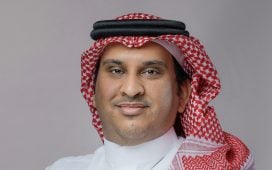
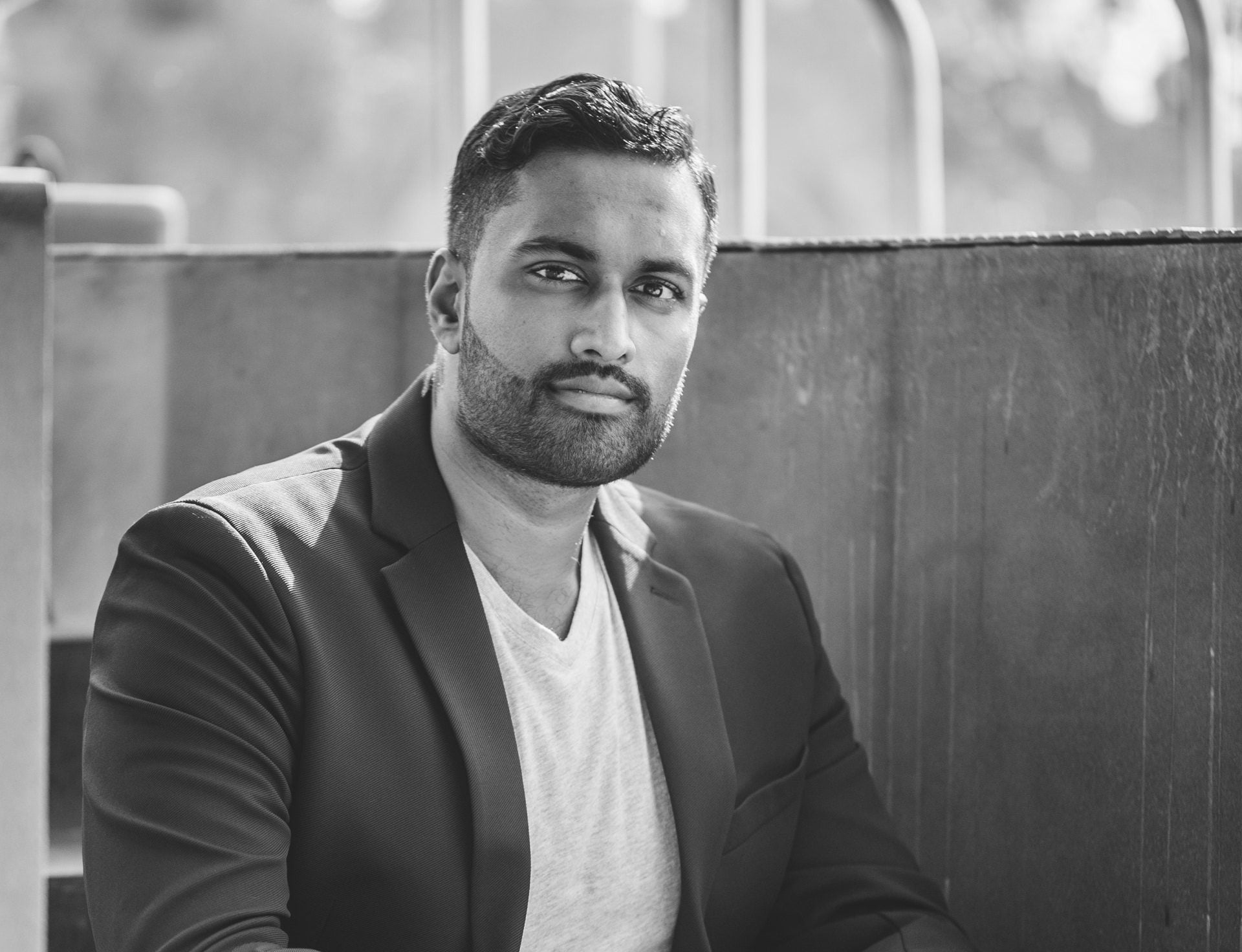
 Aaron Illathu, Managing Director at Jack Taylor.
A few years ago, wellness tech in the Middle East was still a fringe conversation. It lived in niche communities or quietly among luxury audiences. Fast forward to today, and it is reshaping how brands communicate, what consumers expect, and how we define performance, lifestyle, and even success.
This shift is not about gadgets. It is about behavior. Consumers across the region, especially in markets such as the UAE and Saudi Arabia, are moving past surface-level wellness claims and influencer endorsements. They are looking for credibility. They want to understand the science. They want tools that give them real agency over their health, not vague promises of balance or vitality. That demand is forcing brands to show up differently.
In my work launching health, tech and longevity brands across the GCC, including wearables, sleep technology, supplements and regenerative health clinics, one thing is clear. Wellness is no longer a product category. It is becoming a cultural operating system. People are integrating recovery, stress management, performance tracking, and even biological aging into their everyday routines. And once something becomes part of someone’s daily foundation, it changes the rules of engagement.
“Marketing in this space is shifting from hype to honesty. The brands that are breaking through are not the loudest. They are the ones that take the time to explain, to teach, and to build credibility.”
For marketers, that presents both a creative challenge and a major opportunity. When consumers are using data to track their sleep, recovery, and healthspan in real time, they are not looking for fluff. They want brands that speak aspirationally and accurately. They want narratives that make emerging science feel personal, not abstract.
We are seeing this shift play out through a wave of brands building real traction across the region. WHOOP has reframed recovery and sleep as performance metrics, while Eight Sleep is bringing AI and thermoregulation to sleep.
Companies such as Hyperice and Therabody are normalising recovery tech in everyday fitness routines, and longevity clinics such as AEON and the Brain Performance Center are repositioning medical-grade interventions as aspirational lifestyle choices.
These brands are not just entering the market — they are changing the conversation entirely, moving wellness from a luxury add-on to a core part of how people think about health, productivity, and self-optimisation.
This is where trust becomes the new advantage. More and more, marketing in this space is shifting from hype to honesty. The brands that are breaking through are not the loudest. They are the ones that take the time to explain, to teach, and to build credibility.
The most compelling campaigns are rooted in education, not promotion. They invite curiosity. They earn attention. And increasingly, they rely on voices with deep knowledge, not just wide reach.
What is most exciting is how this movement is influencing adjacent industries. In hospitality, it is no longer enough to offer a gym and a green juice. Guests now expect sleep tracking, IV therapy, red light treatments, and high-touch recovery experiences. In beauty, conversations are moving away from superficial aesthetics toward mitochondrial health and biological aging. In travel, optimisation and longevity are becoming markers of aspiration.
This is not just a passing trend. It is a shift in mindset. People are reevaluating how they spend, what they prioritise, and who they trust. That forces marketers to ask different questions. Are we solving a meaningful problem? Are we helping people feel more in control? Are we translating science into simple, actionable stories? Or are we just riding a wave?
The future of wellness marketing in the Middle East will not be defined by who has the flashiest launch. It will be shaped by those who communicate with clarity, consistency, and relevance. Because in this space, the real flex is not just looking good or feeling good. It is knowing why.
By Aaron Illathu, Managing Director at Jack Taylor