The Middle East is one of the youngest regions in the world which presents a unique opportunity to connect with a generation that is already redefining culture, creativity and consumption. In markets like the UAE and Saudi Arabia, Gen Z now represents a cultural majority rather than a niche audience with the UAE alone representing nearly 50 per cent of the population, making youth culture a dominant force shaping market behaviour.
Legacy marketing models, such as static ads, one-size-fits-all launches, and top-down campaigns, are quickly losing traction. To stay relevant, brands must meet this generation where they are. That means being present in lifestyle spaces, delivering meaningful experiences, and offering products that reflect Gen Z’s values.
For Gen Z, technology is personal. They seek out products that not only deliver cutting-edge performance but also integrate effortlessly into everyday moments. In the MENA region, this translates into demand for design-led devices, seamless user experience, and tools that empower creativity, especially around content and gaming. The popularity of compact creator tools and the audio segment, for example, speaks to how this group blends digital expression with lifestyle. This consumer behaviour signals a shift being embraced by tech-forward brands. But this reflects a broader shift where functionality is no longer enough and products must also inspire and empower.
The deadline to Campaign’s Agency of The Year Middle East awards is fast approaching on September 18. Click here to submit your entry now for a chance to be recognised as the best in the region.
This audience does not want to be spoken to. They want to be spoken with. They engage with brands that feel present in their world, from campus life and gaming ecosystems to creator-led photography competitions. That is why many companies are rethinking activations. It is not just about visibility. It is about participation. Real-world events, university pop-ups, and demand creation initiatives are emerging as new norms for engagement in the region.
Brand relevance today is increasingly measured by cultural contribution. Take music, for instance. Audio is not just entertainment for Gen Z. It is identity. That is why immersive events centred around audio experiences, such as live showcases or collaborations with local artists, resonate deeply. For instance Sony recently explored this space through a creative showcase at La Table du MusicHall, blending lifestyle, product, and subculture. More importantly, this reflects a growing marketing approach where brands understand the value of connection just as much as innovation.
Whether it is photography gear for creators or gaming tech for casual esports fans, product relevance now depends on the surrounding experience. Gen Z looks for design consistency, sensory value, and creative freedom. All of these must be embedded in the brand journey. Over 50 per cent of Gen Z consumers in the UAE browse social media platforms to make their purchasing decisions, highlighting the growing importance of social commerce and shoppable content.
Brands that embed these values into their innovation philosophy are more likely to keep pace with Gen Z’s rising expectations. As Gen Z matures, their expectations will only deepen. They want brands to experiment, collaborate with their communities, and invite them into the creative process. This is especially visible in MENA’s university circuits, where campus activations and creator-led programs are becoming powerful engagement platforms. A notable trend is how brands are beginning to hand over the reins of digital storytelling. Sony’s regional TikTok channel, for example, is now run by Gen Z teams. This is an authentic approach to cultural fluency that many brands could learn from.
Winning Gen Z is not about louder campaigns or chasing every trend. It is about sustained relevance. That comes from brands committed to creating products that empower, experiences that engage, and speaking with a voice that feels familiar to spark a genuine connection.
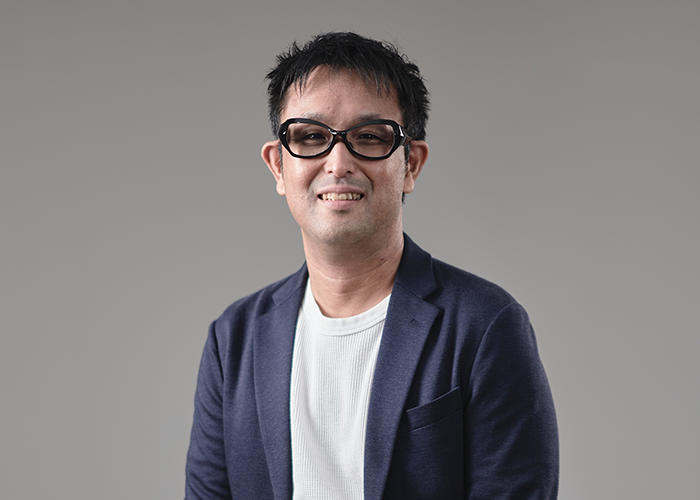
By Koji Sekiguchi, Head of Marketing, Sony Middle East and Africa.