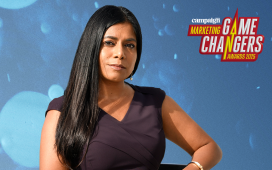
Sophie Ryan, Head of Corporate Communications, Marketing and Brand, Dubai Racing Club.
It’s no longer enough to measure the success of sports marketing in traditional terms: ticket sales, TV ratings and sponsorship exposure. These remain important, of course, but we must think differently: the way audiences engage with sport – and what they expect from it in terms of experiences – is changing dramatically.
Today, there is a fundamental shift in how people, particularly younger generations, choose to spend both their time and money.
It is no longer enough to think of a sporting event as a single fixture on the calendar. Increasingly, audiences are looking for experiences that combine entertainment, culture and lifestyle – moments they can connect with emotionally and share with others.
This is the new language of sports marketing, and it requires us to think differently about how we design, promote, and deliver events.
Experiences first
Research consistently shows that millennials and Gen Z place higher value on experiences than on material possessions.
Eventbrite reports that 78 per cent of millennials would rather spend money on a desirable experience than on something tangible.
Deloitte’s 2024 Global Consumer Insights survey reinforces this, finding that Gen Z in the Middle East are particularly motivated by events that offer connection, creativity, and shareability. For them, a ticket is not just a pass through the gate; it is entry into a lifestyle-defining moment.
This experiential mindset has huge implications for sports marketers. Audiences want more than just the competition on the racetrack, field, or pitch.
They want to be part of a cultural happening – something they can talk about, post about, and remember as a milestone in their personal story.
Dubai’s role as a cultural stage
In Dubai, we are fortunate to host events in a city that is itself a global destination. From its visionary architecture to its unrelenting energy, Dubai embodies ambition and progress.
The Dubai Racing Carnival and the Dubai World Cup do not exist in isolation — they are part of the wider cultural and sporting calendar that defines the city as a place of world-firsts and unforgettable experiences.
But with this privilege comes responsibility. As custodians of one of Dubai’s longest-standing sporting traditions (the Dubai World Cup celebrates its 30th anniversary on 28 March, 2026), we have a duty not only to celebrate the city’s heritage in horseracing but also to educate and engage new audiences.
Fan participation is vital for the longevity of the sport, and it is our role to ensure that younger generations see racing not just as a competition to watch from the sidelines, but as an experience they want to be part of – again and again.
Reframing the race day experiences
At Dubai Racing Club, this shift has transformed the way we approach both the Dubai Racing Carnival and Dubai World Cup. We are not simply selling admission to a series of race days.
Instead, we position both as multi-layered experiences that combines world-class sport with fashion, dining, music, and social engagement — all set against the backdrop of Meydan Racecourse, one of the most iconic sporting venues in the world.
From the moment guests arrive, they are part of something bigger. The architecture, the energy of the crowd, the spectacle of the horses, and the lifestyle elements that surround the racing all work together to create a memorable experience.
Whether it is a family enjoying the Paddock Garden, a couple dining in a fine dining restaurant, a brand hosting in one of our corporate hospitality suites, or fashion enthusiasts competing in the Style Stakes, every touchpoint is designed to deliver more than just a seat at the races.
Storytelling beyond sport
To meet the expectations of modern audiences, sports marketers must tell stories that extend beyond the competition itself. We frame our narrative around several layers:
Heritage meets modernity: Thoroughbred racing is a sport with deep cultural roots, yet we host it in one of the world’s most forward-thinking cities. This blend appeals to audiences seeking both authenticity and innovation.
Style and creativity: Fashion is integral to race day. From millinery exhibitions to high-profile competitions like the Style Stakes, fashion is not an accessory to the Carnival and Dubai World Cup — it is part of the story we tell.
Shared moments: Racing is a social experience. Premium hospitality, multi-Guinness World Record-breaking closing ceremonies, curated entertainment, and community-focused activities ensure that people feel a sense of belonging and connection.
By weaving these elements into the Carnival’s identity, we move beyond the “what” of racing to the “why” of attending — why it matters, why it is memorable, and why it is worth investing in.
Value for audiences and sponsors
Reframing events as experiences also delivers greater value to sponsors and partners. Brands are no longer just looking for logo placement; they want to be part of the stories that audiences are sharing.
When a guest posts a photo from Meydan that shows not just the race but the fashion, the hospitality, and the atmosphere, sponsor brands are integrated into a lifestyle moment that carries far more resonance than traditional signage.
This creates a win-win: audiences feel like they are part of something special, while sponsors gain authentic visibility in content that is organic, emotional, and highly shareable.
Data and digital reporting tools now allow us to track this impact more effectively, giving brands the confidence that their investment delivers meaningful returns.
The lesson for sports marketing
The takeaway is clear: the future of sports marketing lies not in the event alone, but in the holistic experience that surrounds it.
For Dubai Racing Club, the Dubai Racing Carnival is more than a season of races, and the Dubai World Cup is more than one of the world’s richest race days. They are cultural celebrations, social hubs, and lifestyle statements – all within a city that thrives on shaping the extraordinary.
By understanding the experiential mindset of younger audiences and delivering on their desire for connection, creativity, and shareability, we can ensure that our events remain relevant, aspirational, and memorable.
A ticket is not just entry to the grandstand – it is an investment in a story, a community, and a piece of Dubai’s living history.
By Sophie Ryan, Head of Corporate Communications, Marketing and Brand, Dubai Racing Club