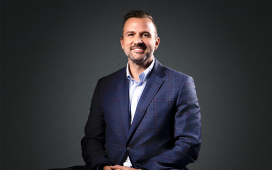
The world of luxury has become increasingly progressive as fast-evolving culture and trends continue to dictate consumer preferences. To navigate these dynamic shifts, Sarah Mouaness, Celebrity Manager at HuManagement offers Campaign Middle East an expert take on how luxury brands can make the most of talent partnerships through authenticity and visibility that lives across red carpets and social feeds.
When you talk about redefining talent management in the luxury market, what specifically needs to change from the traditional model of celebrity and influencer partnerships?
After 8 years in the industry, from starting in influencer management to handling and representing some of the biggest celebrities in the region, I’ve seen how much the industry has changed. Luxury today is no longer about visibility alone or sponsored posts. Audiences are looking for authenticity, emotional connection, and partnerships that feel genuine. The most impactful collaborations happen when the talent truly aligns with a brand’s world, values, and story. At HuManagement, we work around a key notion which is how this business is about being human first, and I believe that’s exactly what luxury partnerships need today.
Luxury depends on exclusivity and long-term brand equity, while influencer culture often rewards speed, visibility and volume. How do you balance those seemingly opposing dynamics?
That balance is one of the most delicate aspects of luxury talent management today. Digital culture constantly pushes for visibility, while luxury still relies on exclusivity and careful positioning. Sometimes, a single meaningful appearance or a curated experience creates more impact than months of constant online exposure. Over the years, I’ve learned that maintaining desirability is just as important as staying culturally relevant. Achieving that balance requires instinct, patience, and a deep understanding of both the talent and the brand’s identity.
In such a competitive talent landscape, what separates a strategic, brand building talent partnership from a transactional celebrity placement?
The audience can immediately feel the difference today. Transactional collaborations may generate temporary attention, but strategic partnerships create long-term cultural association and real brand value. The strongest luxury partnerships are the ones that feel natural and authentic rather than overly commercial. Throughout my career, I’ve seen that success is never about forcing visibility, but about creating the right alignment between the talent and the brand, find the voice and niche that connects both. Relationships and trust are what truly build long term value in this industry, and I believe that has become more relevant today than ever before.
How are luxury brands evolving in the way they select, brief, manage and measure talent and where do you still see major gaps in the market?
A luxury partnership today goes far beyond follower count. Brands are becoming far more focused on talent credibility, storytelling, audience trust, and cultural relevance. In short, they are looking for an organic narrative fit, one that creates genuine emotional resonance. At the same time, I still believe many brands rely too heavily on numbers and analytics, while luxury is often built through perception, aspiration, and long-term association rather than immediate metrics. After eight years in the industry, I’ve seen how important regional understanding and relationships are, especially in the Middle East, where reputation and positioning carry significant weight.
As AI becomes more embedded in marketing, which aspects of talent management can be enhanced by technology, and which still depend fundamentally on human relationships and instinct?
AI will continue transforming many areas of marketing, especially analytics, audience insights, forecasting, and campaign measurement. These tools are becoming incredibly valuable in helping brands make faster and smarter decisions. But talent management, especially within the luxury space still depends heavily on human connection. Relationships, emotional intelligence, instinct, and trust cannot be replaced by technology. One of the biggest advice I have received is to always remain humble and human in this business, because genuine relationships are what create long-term opportunities.
The luxury landscape is increasingly volatile, trend driven, and shaped by culture in real time. How do you help brands distinguish between meaningful cultural relevance and short-lived hype?
Luxury brands cannot afford to follow every trend. Hype moves quickly, but not every viral moment creates long-term value. It’s important to always look at whether a moment genuinely aligns with a brand’s identity and long-term image, rather than simply reacting to online trends. Some of the strongest luxury moments are often the most organic and subtle ones. True cultural relevance comes from authenticity, consistency, and naturally belonging within certain spaces and conversations.
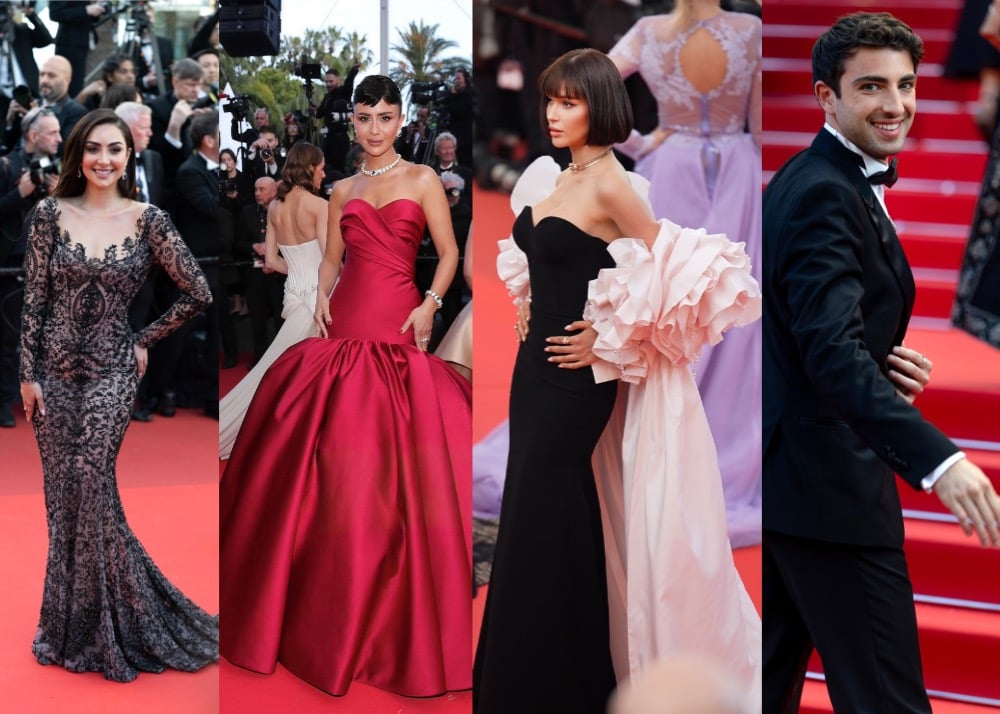
Looking at Cannes Film Festival 2026, what does effective on ground celebrity and influencer management involve beyond red carpet visibility and social content?
Cannes today is much more than a red-carpet event. It has become one of the world’s most important platforms for luxury, fashion, entertainment, and relationship building. Effective on-ground management involves everything happening behind the scenes: Scheduling, fittings, transportation, hospitality, media coordination, partnerships, and positioning talents within the right spaces throughout the festival. After years of managing both influencers and celebrities, I can share that the true value of Cannes and similar festivals goes far beyond visibility.
This year, HuManagement brought together one of the region’s strongest celebrity lineups, generating significant regional buzz. But the real objective was never just the photos, it was about positioning our talents within the global luxury conversation and building meaningful, long-term relationships.