The media landscape across the region has become more data-led, with agencies and brands moving to a greater focus on performance and AI-driven planning. With the shift comes a greater need for talent in media agencies with the right digital expertise.
Campaign Middle East asked industry experts: Are media agencies in the Middle East still struggling to find qualified talent, particularly for senior digital media and data-driven roles?
The responses reveal both confidence in the region’s talent pool and concerns about the widening capability gap.
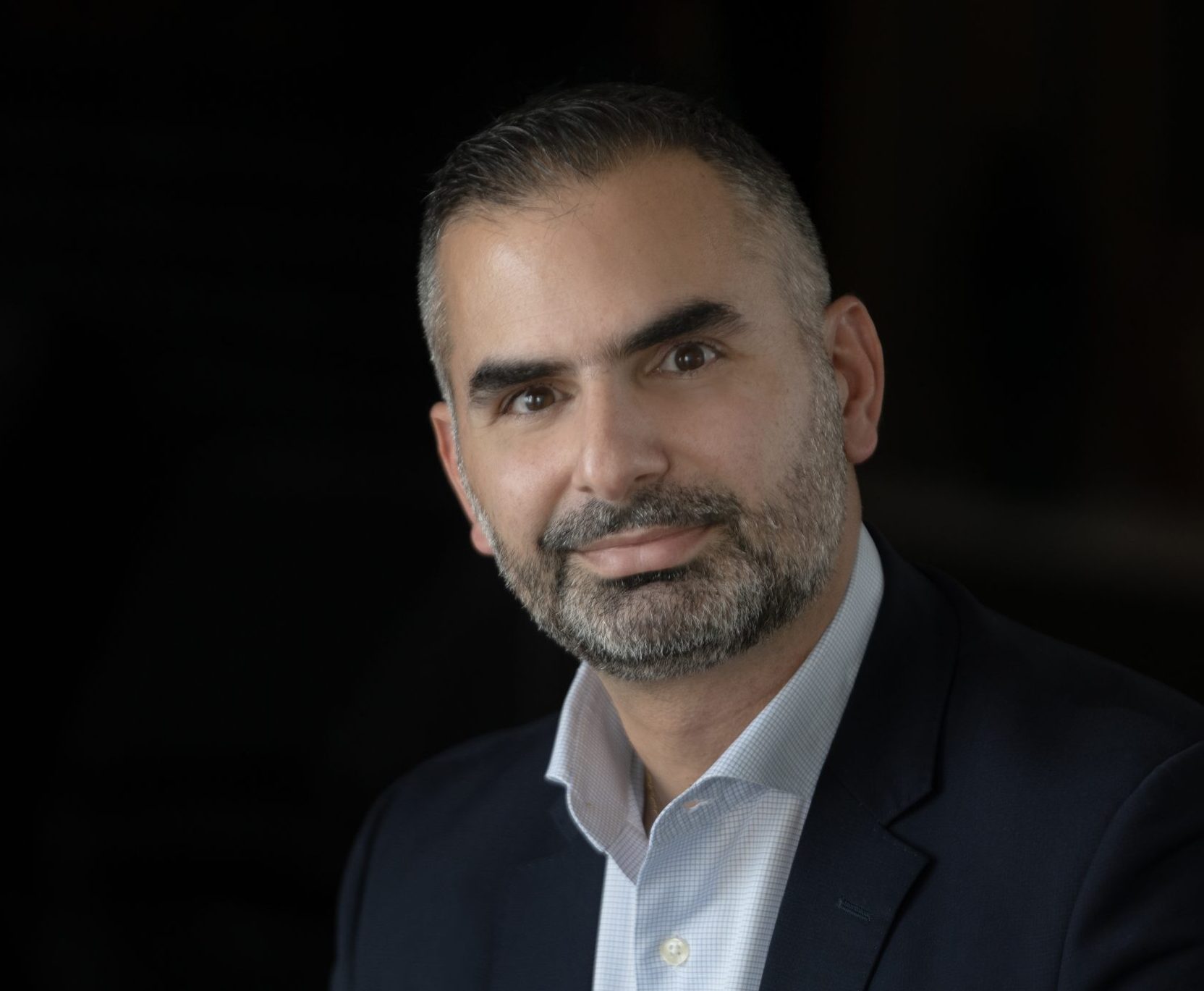
Ramy Mouganie
Client Leadership Director, Fusion5
YES
We see a clear gap when it comes to filling data-driven roles, and this is primarily due to a market evolution outpacing the local talent pool. While digital adoption accelerates, there remains a significant shortage of professionals with deep, hands-on experience in advanced ad tech, data analytics, and AI-driven strategy. The current crop of digital professionals in our region still operate within a comfort zone of processes that are rapidly becoming outdated, and there’s a clear need to elevate knowledge and tap into learnings from proven data-first markets.
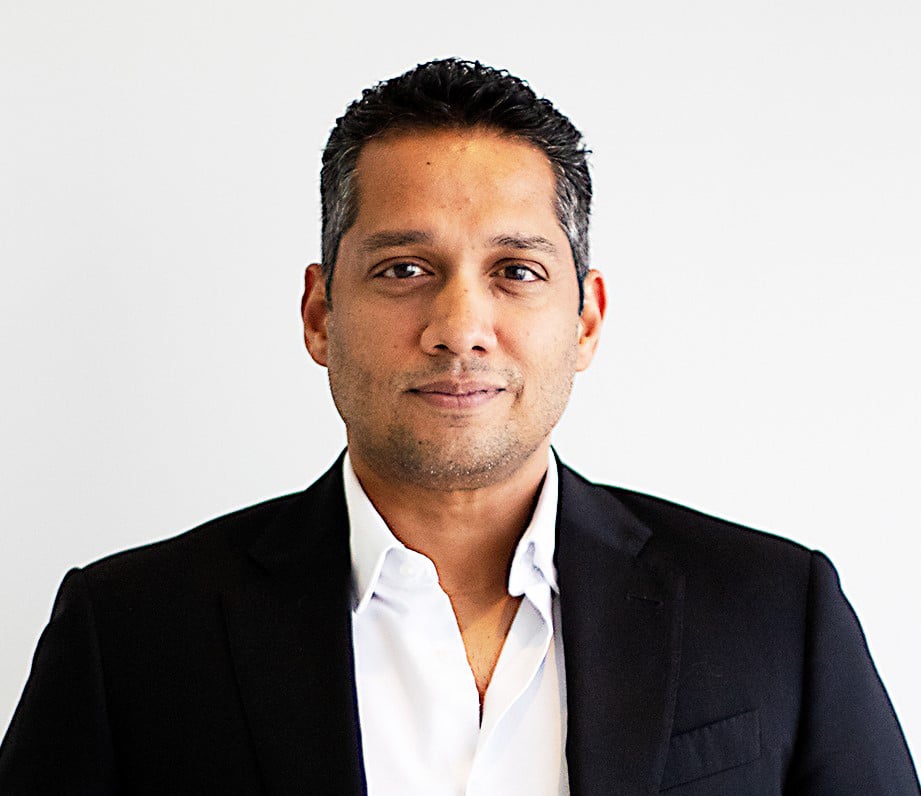
Vivek Nair
Managing Director, Radix Media MENA
YES
There is a struggle to find the right talent in our region, especially for senior digital and data-driven roles. The majority of professionals come with a strong understanding of campaign planning and activation, client management, budgeting and day-to-day optimisation. Yet, only a few can confidently mine large datasets, connect multiple data sources and build a clear data story that links performance to audience behaviour and business outcomes – skills a trained data analyst typically brings. This creates a gap between reporting and decision-making and creates a disconnect from ‘numbers’ to actionable, strategic recommendations.
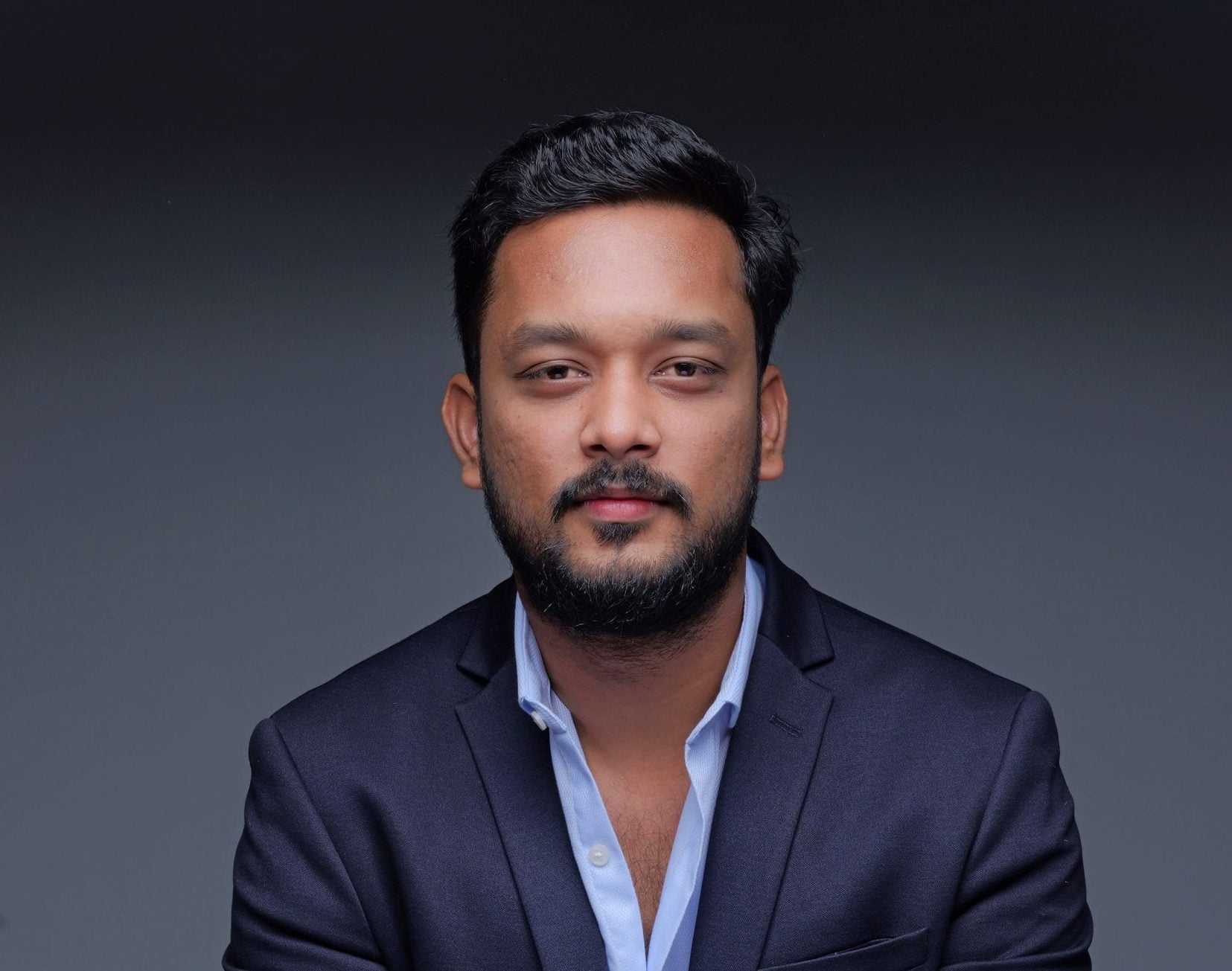
Shubham Dhanwate
Associate Director – Media, Adapts Media
YES
While the Middle East has no shortage of talent, there is a clear gap when it comes to qualified senior digital and data-driven professionals. The challenge isn’t hiring people who know platforms; it’s finding leaders who can connect data, media, technology, and business outcomes. Many senior roles demand hybrid skill sets: performance plus brand, analytics plus creativity, automation plus human judgment. These profiles are still rare. Additionally, rapid platform evolution has outpaced structured upskilling, leaving experience fragmented rather than holistic. Agencies aren’t struggling to hire – they’re struggling to find professionals who can truly lead modern media in a complex, outcome-driven ecosystem.
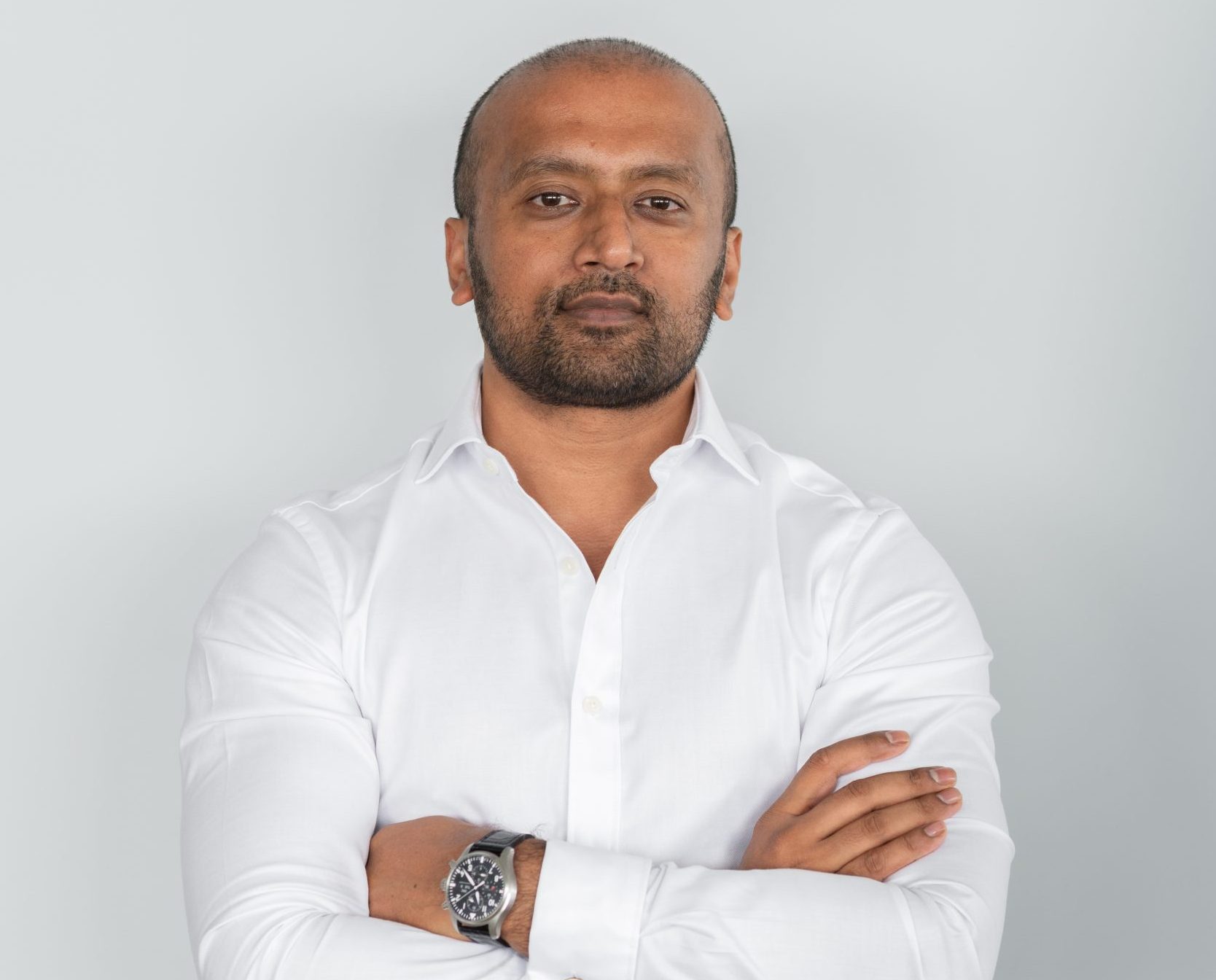
Farhad Miah
Chief Client Officer, Assembly MENA
NO
The Middle East, fuelled by brand and substance, with Dubai at its core, has established itself as a global destination for talent. The region has been intentionally developing digital capability for more than a decade, while continuing to attract leading talent from around the world. Agencies moved early to reshape learning and development around digital priorities. Like any market, the talent pool reflects a range of experience and maturity. That is natural. But the depth of capability here is undeniable. The region is now home to some of the strongest, most commercially minded industry talent globally.
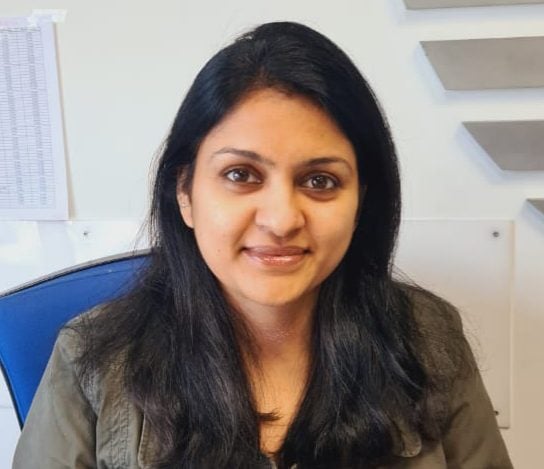
Neha D’Souza
Senior Media Director, Equation Media
NO
Talent is available in the Middle East for such roles, but the real challenge is finding the right match. While the necessary skills are often present, matching the right expertise to the agency’s needs can be difficult. Different cities across the region offer varying levels of appeal to talent, shaped by factors such as work environment, lifestyle, and compensation. Additionally, a generational divide in work preferences (remote work vs office-based roles) adds complexity to finding the ideal fit for agencies.
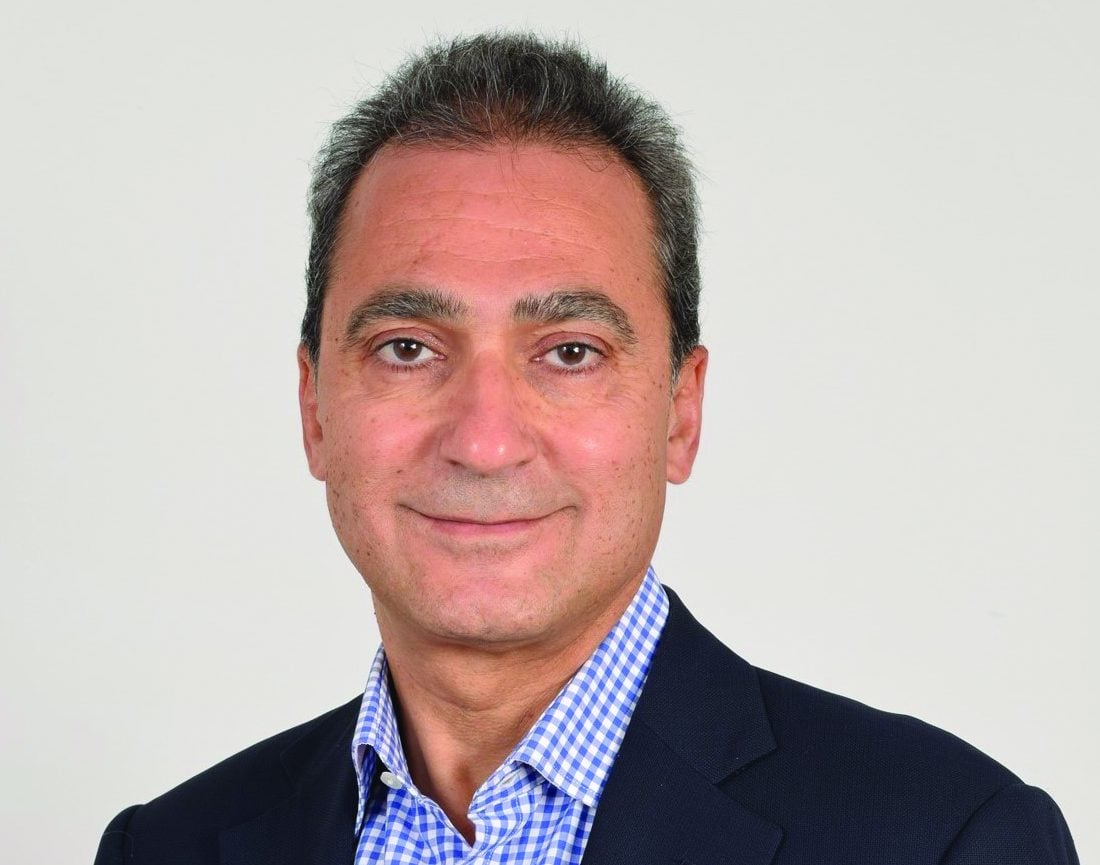
Antonio Boulos
President, Frontline BPN
YES
The pool of digital talent is not keeping pace with the rising demand for digital roles, especially for AI-driven planning, advance analytics, MarTech integration, and first-party data strategies.
Another challenge is finding senior talent that can step back, look at the big picture, and connect the dots to build a seamless approach that optimises the performance of every channel involved in a particular campaign. Channel specialists are good at optimising the delivery of their channel, but the perfect outcome relies on the input of a lateral thinker, typically a senior talent who can diligently calibrate the delivery of every channel and ensure that the executed plan is efficiently addressing the campaigns’ business KPIs.
When the return on ad spend (ROAS) of every invested dollar is closely measured by our clients, and rightly so, the onus rests entirely on agencies to search for and attract the right talent and absorb the associated salary inflation caused by the high demand and short supply of selected roles. Investing in the training of rising internal stars is another way to create and nurture required talent.
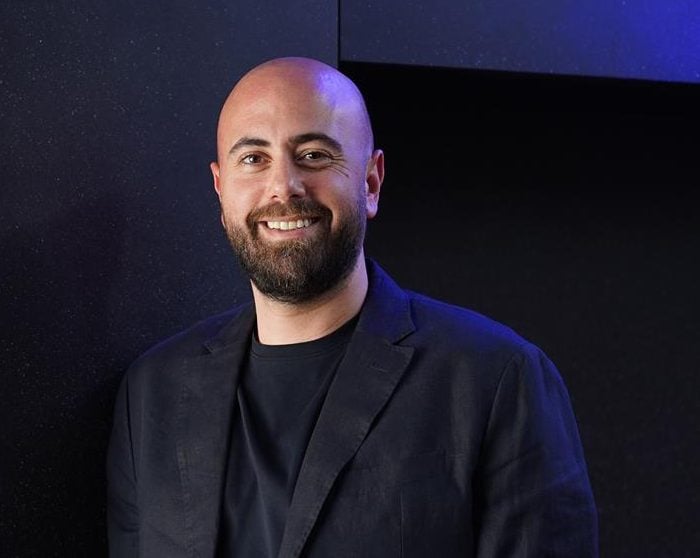
Charbel Jreijiri
General Manager, Mediaplus Middle East
YES
The talent crisis in Middle East media is a structural failure. By prioritising offshoring for efficiency, many agencies silo talent into narrow execution roles, depriving them of broad exposure. This results in growth without foundation, producing technicians rather than future leaders.
At Mediaplus, we are breaking this cycle. We prioritise holistic development, providing our team with cross-speciality skills to evolve into future leaders. While self-motivated outliers exist, we believe institutional investment in versatile expertise is the only way to build a sustainable leadership pipeline in a market currently defined by narrow specialisation.

Lama Accary Bibi
Managing Director, Means Design
YES
Securing senior digital and data-driven talent in the Middle East remains challenging due to the rapid pace of industry change. These roles require a strong blend of strategic leadership and technical expertise, yet the number of professionals with both long-term experience and up-to-date knowledge of emerging digital platforms is limited. This has created an ongoing skills gap across the market.
Agencies can address this issue by investing in structured training programmes and mentoring high-potential employees to develop future-ready talent pipelines. This approach will ensure access to skilled professionals who combine experience with current digital capabilities, supporting the sustainable growth of the regional media industry. Investing in the training of rising internal stars is another way to create and nurture required talents.
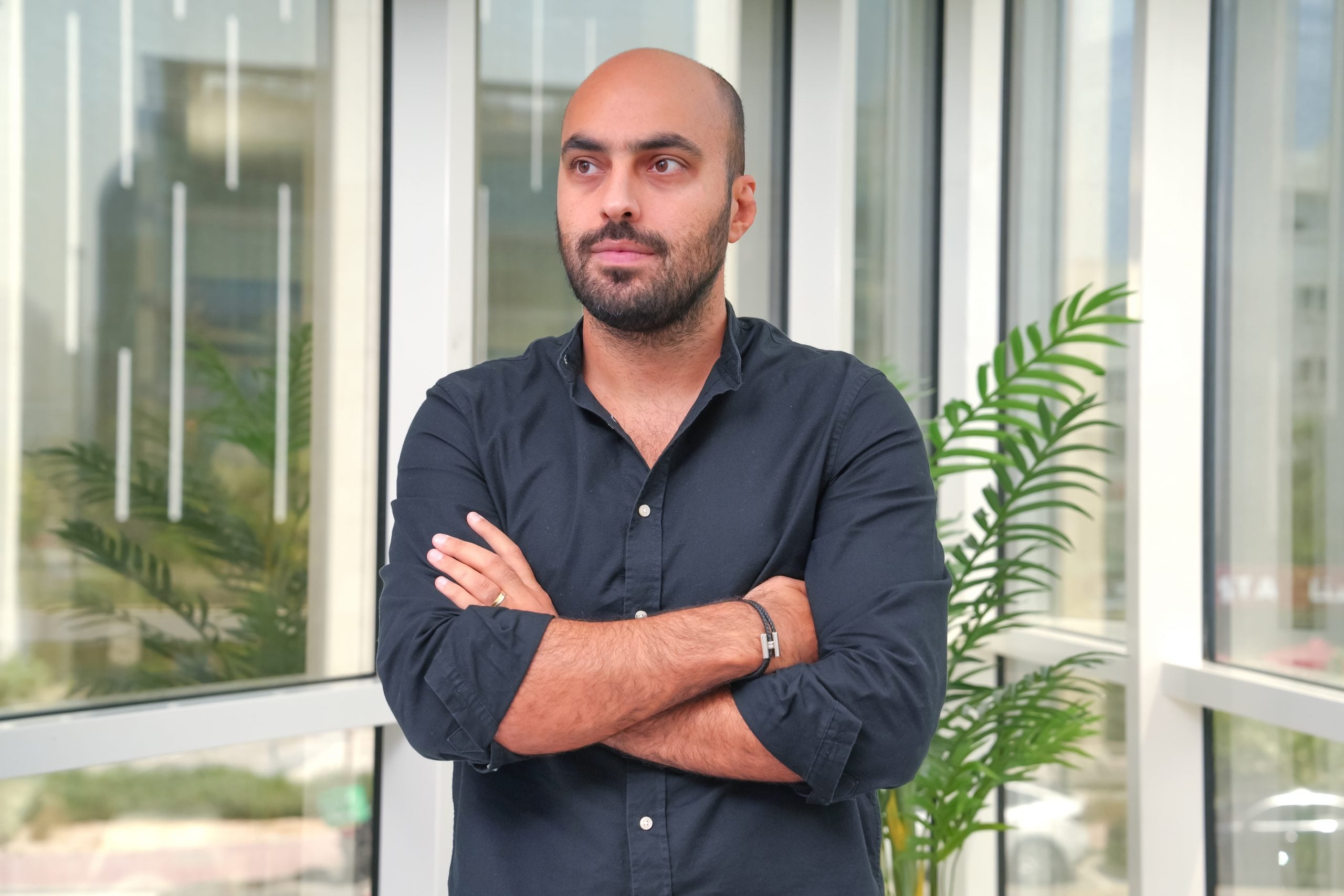
Oliver El Obeid
VP of Human Resources, Havas Middle East
YES
but it’s more nuanced than a simple talent shortage. In the Middle East, we’re not struggling to find people; we’re struggling to find senior, future-ready talent. Roles in digital media, data, and performance now require a rare mix of strategic thinking, hands-on platform expertise, commercial understanding, and leadership. That combination is still limited in the region. The market has evolved faster than capability development. As a result, agencies are competing for the same senior profiles while, at the same time, investing heavily in upskilling internal talent and rethinking what ‘seniority’ really means in a data-driven, fast-moving media ecosystem.

Lea Koyess
General Manager, UM UAE
NO
We aren’t struggling as much to find senior digital media talent any more since the market has matured and we’ve developed a solid pool of specialists who truly master platform dynamics, performance, and client needs. The bigger challenge is the structural ambiguity surrounding data-driven roles. This isn’t just about a talent shortage; it’s about a lack of industry-wide clarity on how to define these hybrid positions, where they sit between media, tech, and analytics, and which competencies really matter. The lack of a clear framework makes attracting and retaining the right profiles much harder.
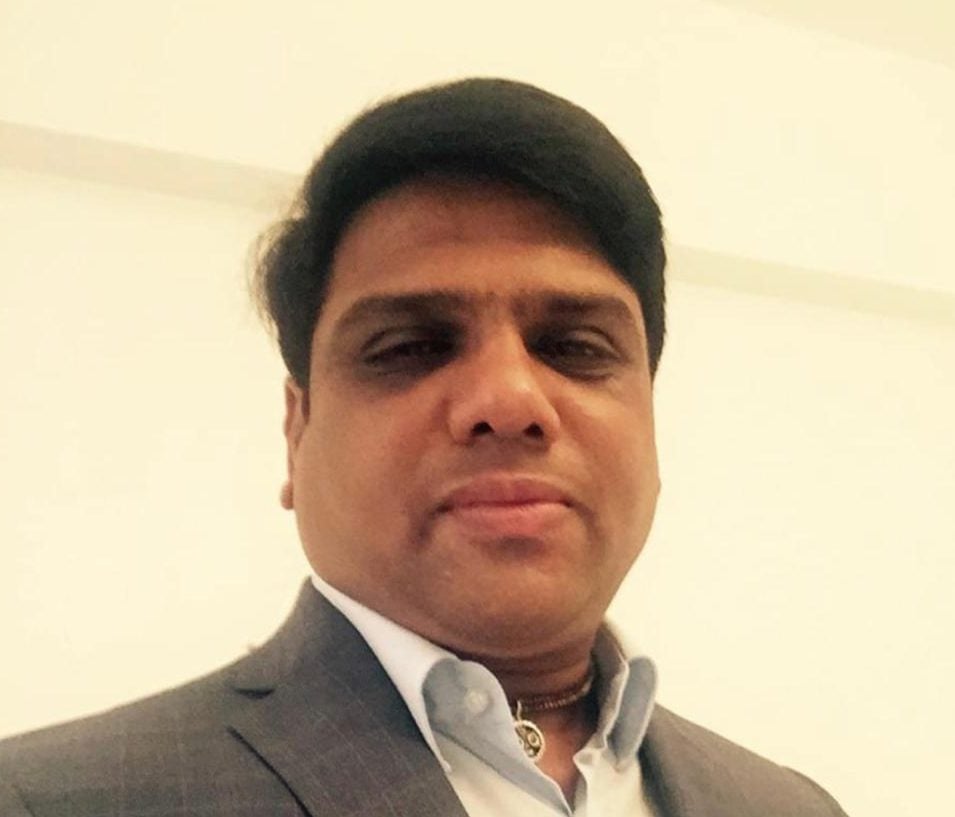
Prasad Amin
CEO, IAS Media
YES
There is a clear talent gap in programmatic, attribution, and data analytics, as the majority of professionals come from conventional media. The struggle is real – especially for senior digital and data-driven roles. The market has plenty of entry-level digital talent but a significant shortage of experienced professionals who can lead strategy, manage complex campaigns, and interpret data at a senior level.
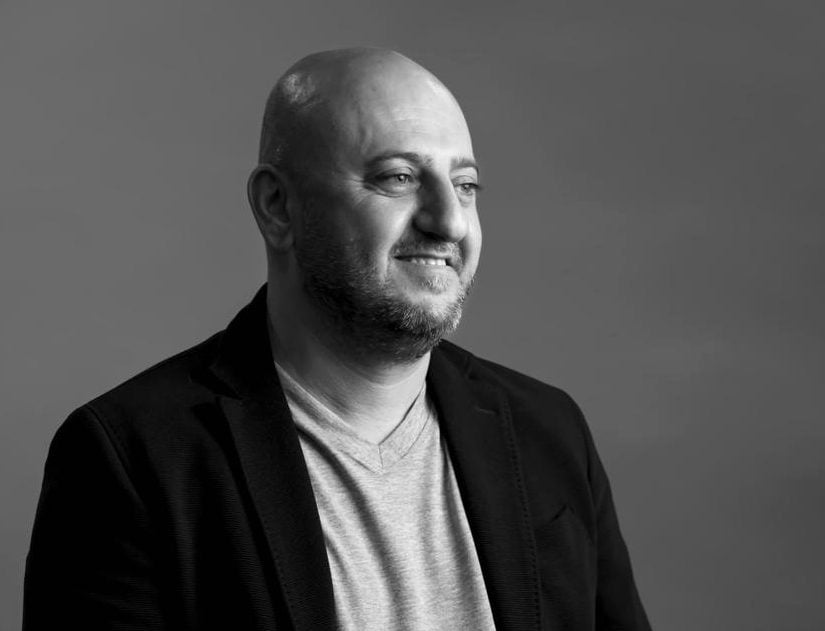
Khaldoun Zaghir
General Manager at 5thElement
YES
The talent gap in senior digital media and data-driven roles remains acute across the Middle East. While we’ve seen improvement in mid-level capabilities, finding senior strategists who can bridge programmatic expertise, first-party data activation, and AI-driven optimisation is exceptionally challenging. The regional market demands professionals who understand both global best practices and local nuances – from Arabic content strategies to region-specific consumer behaviours.
The reality is that traditional recruitment pipelines haven’t kept pace with how rapidly the industry has evolved. Agencies now need senior practitioners who can navigate cookieless environments, leverage AI for media planning, and extract actionable insights from fragmented data sources – skill sets that simply didn’t exist five years ago. The market hasn’t produced enough qualified candidates to meet this growing demand.