


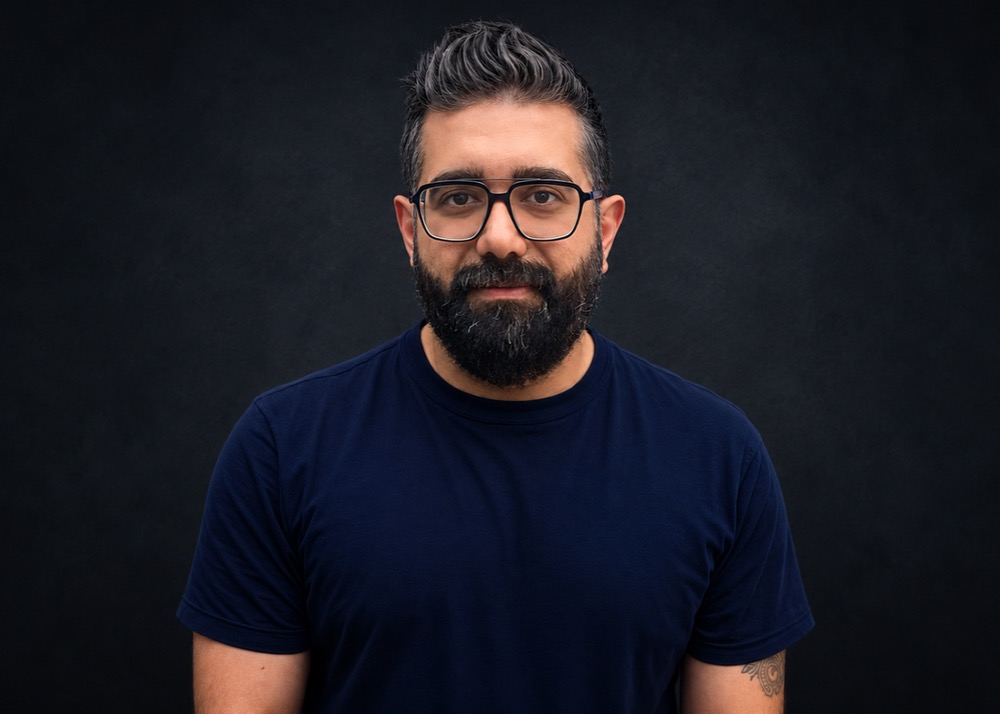
 Pierre Irani, Creative Director, McCANN Doha
In five years, we might have an entire generation of creatives who can make anything, but struggle to come up with something.
That should worry every creative lead in the industry.
We’ve given young creatives tools that can generate campaigns in minutes, produce beautiful visuals in seconds and turn a few sentences into presentations that once took days to build.
And we’ve celebrated every second saved. I celebrated so much. Too much.
But somewhere along the way, we’ve started confusing the ability to produce work with the ability to create ideas.
And the uncomfortable truth is that we might be responsible.
We’ve made execution easier. What about thinking?
Fifteen years ago, when I started in advertising, developing an idea took time. You researched, sketched, explored, got rejected and started again.
It wasn’t always efficient. And frankly, it wasn’t always enjoyable.
But it taught you something important: how to think.
You learned to defend an idea, accept criticism and recognise when something looked good but said absolutely nothing.
Today, a junior creative can generate twenty visual directions before lunch. That’s impressive. But what exactly are they learning?
A beautiful execution can hide an empty idea.
One of the biggest risks with AI isn’t that it produces bad work. It’s that it can produce beautiful work without a strong idea behind it.
When a junior presents polished visuals, it’s easy to assume the thinking is equally polished.
But remove the execution.
What’s the insight? What’s the idea? Why should anyone care?
If those questions can’t be answered, we have a problem.
Because advertising has never been about producing something that looks like advertising. It’s about creating something worth paying attention to.
Maybe the problem isn’t the juniors.
It’s easy to blame younger generations for taking shortcuts. But who introduced those shortcuts?
We did.
We introduced AI tools, celebrated faster production and demanded more content in less time. Then we wondered why people stopped spending time thinking.
As Creative Directors, our responsibility goes beyond approving work. We’re supposed to develop people, challenge their reasoning and give them room to fail.
Sometimes, that means asking them to close the AI tool and explain what they’re actually trying to say.
I’m not against AI. I use it, and I believe it has an important place in our industry.
I don’t believe every difficult process is valuable simply because it’s difficult.
But perhaps we need to rethink the order in which we teach it.
Before generating a visual, explain the idea. Before producing ten executions, explain why the first deserves to exist. Before celebrating speed, ask whether the work is any good.
Imagine a creative review where the first five minutes are dedicated entirely to thinking. No mockups. No AI-generated images. Just the brief, the insight and the idea.
If the thinking is strong, technology can bring it to life. If it isn’t, no amount of visual polish will save it.
Our future needs thinkers.
AI will keep improving, and young creatives will probably become better at using it than we are.
That’s not what concerns me.
What concerns me is that we might become so focused on teaching people how to use the tools that we forget to teach them why they’re creating anything in the first place.
The next generation doesn’t need us to compete with them on technology. They need us to teach them about ideas, people, culture, storytelling and judgment.
Because the most important creative skill has never been knowing how to make something. It’s knowing what is worth making.
By Pierre Irani, Creative Director, McCANN Doha







