Over the last year, I’ve become fascinated by the way people talk about artificial intelligence (AI) and the sentiment behind the topic. Every day there seems to be another argument happening about whether creativity is dead, whether production companies will disappear or whether humans are about to become completely irrelevant because somebody generated an image in twelve seconds.
Honestly, I understand where the anxiety comes from. We’re living through one of the fastest technological shifts the creative industry has ever seen; things that once took weeks can suddenly happen in days – entire workflows are changing in real time, and it’s only human nature that people are going to feel uncertain about where they fit into all of that.
But I also think a lot of the conversation is missing the point entirely.
I remember very similar fears around CGI and VFX years ago. There was a genuine belief at one point that actors themselves would become obsolete. Obviously that didn’t happen. What happened instead was that filmmakers gained new tools to expand what was creatively possible. The human element never disappeared; if anything, it became more important because technology alone has never been enough to make people feel something.
What’s interesting to me is that the people who are most afraid of AI replacing creativity often seem to define creativity as execution alone, as though creativity only exists in the physical act of making something, but that’s never really been true. Creativity is taste; it’s emotional intelligence and instinct.
AI can generate outputs, yes, but it still requires direction. The machine is only ever as powerful as the person guiding it.
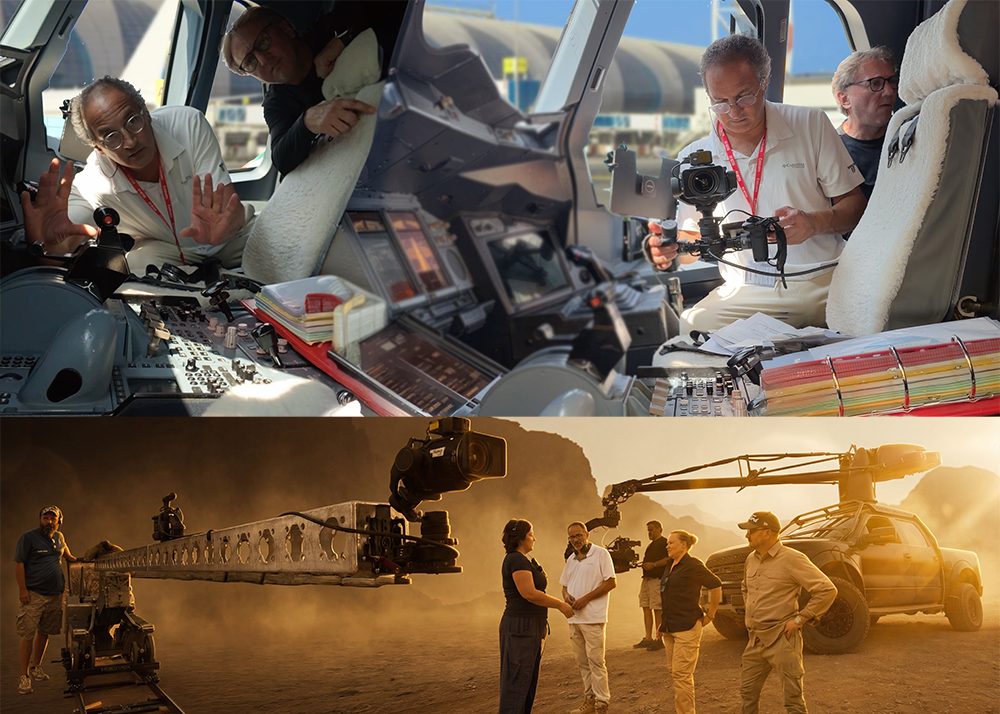
At Singularity UAE, the production company that I founded in 2022, we’ve actively been integrating AI-assisted workflows across campaigns for brands including Honda MENA, Emirates and Maybelline New York. At the beginning, a lot of it was relatively practical; for example, with Honda, we’d photograph vehicles traditionally, retouch them and then use AI-generated environments to build modular campaign assets around them rather than constantly reshooting in multiple locations.
Suddenly, instead of spending weeks solving technical bottlenecks, we could spend more energy thinking about storytelling, world-building and how the campaign actually feels emotionally. That’s the part I think people underestimate. AI is incredibly useful when it comes to removing friction from the production process, but removing friction is not the same thing as replacing imagination.
I remember coming into the office the other week, after thinking up an analogy to share with the team about Einstein and the telephone book and its relation to how we use AI. He once questioned why people obsessed over memorising information that already existed somewhere easily accessible. His whole point was that your mental energy is far more valuable when it’s spent thinking deeply, questioning things, imagining things and connecting ideas together rather than just storing endless data for the sake of it.
And I remember thinking, that’s exactly what AI and agentic AI are becoming – our modern telephone book!
Not our replacement, not our consciousness, not our imagination, but a support system that handles certain layers of process and information so we can spend more time operating inside actual creativity, intuition and vision. That’s the version of AI I find exciting.
I think that’s why our relationship with AI at Singularity probably feels very different to a lot of discussion happening online right now. Everything we’re building comes from decades of actual filmmaking experience. Cinematography, directing, visual effects supervision, and storytelling in real production environments in which we’ve spent years learning about light, movement, composition, scale, pacing, emotion and visual psychology. It’s about understanding why an image feels emotionally believable in the first place, why certain lighting creates tension and certain camera movement creates intimacy. Why scale, atmosphere and composition can affect human emotion subconsciously.
We call our process “visual intelligence” because for us, AI is not a shortcut to bypass craft – but an extension of the craft itself. That is where I believe the industry is heading. A completely new hybrid visual language where human instinct and machine intelligence work together. Technology handles scale and adaptability, while humans continue shaping emotion, story and the meaning underneath it all.
And for me, that’s really the centre of all this. Humans respond to humanity, always.
It might sound slightly spiritual, but I genuinely believe that creativity is energy. Some of the best ideas come through intuition, observation and human experience. They come from heartbreak, joy, culture, relationships, silence, chaos – all the strange things that shape us as people. AI can support the creative process beautifully, but it cannot replicate the human experiences that make meaningful work resonate in the first place.
That’s why I don’t see AI as the enemy of creativity at all. I actually think it’s forcing the industry to become more honest about what creativity really is.
Because now that more people have access to powerful tools, the differentiator is no longer simply who can technically produce something; the differentiator becomes perspective.
Taste, vision, original thinking, human understanding – these things matter more now, not less. The future, in my opinion, isn’t human creativity versus technology; it’s creatives learning how to work alongside technology without losing the human part of the process.
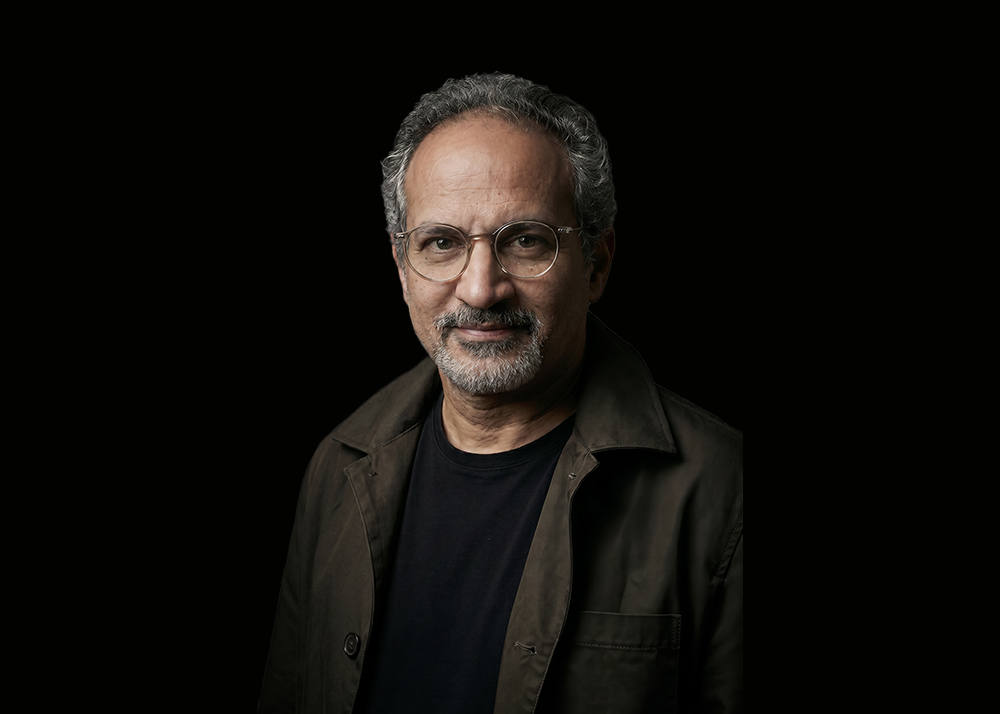
By Zubin Mistry, Owner and Executive Producer of Singularity UAE.