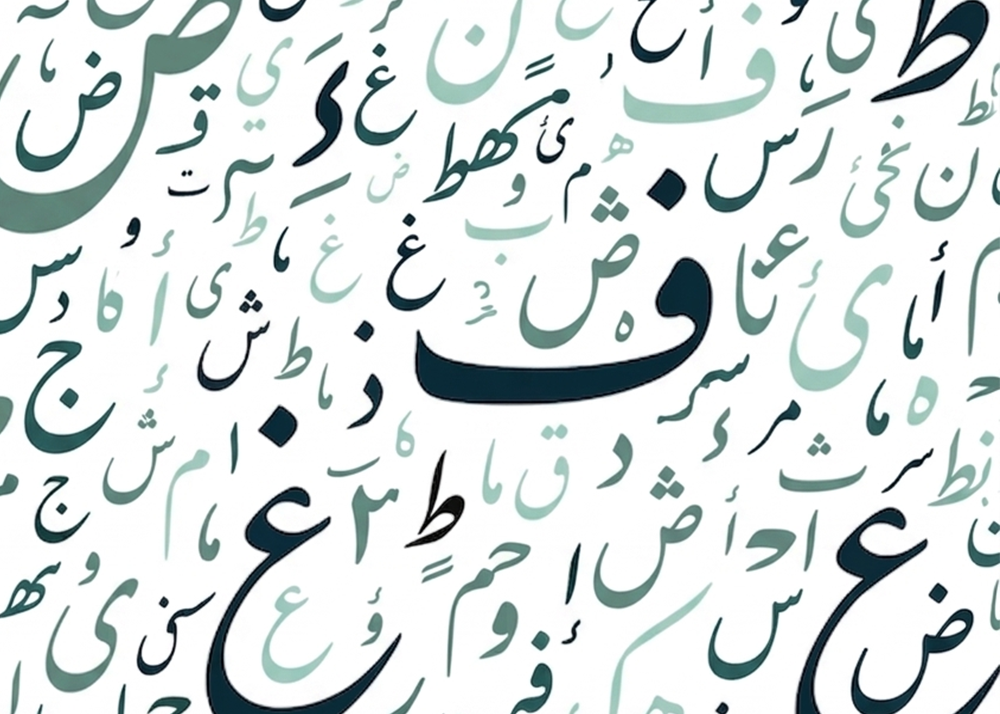
The Federal National Council has called for the establishment of a National Council for National Identity and the Arabic Language, alongside new legislation aimed at strengthening and protecting Arabic as the UAE’s official language and a core element of national identity.
The recommendation came during the Council’s ninth session in Abu Dhabi, where members discussed government policy on reinforcing the status of Arabic across education, media, public life and state institutions, in the presence of the Minister of Culture.
At the heart of the discussion was growing concern over the declining everyday use of Arabic in some contexts, particularly among younger generations, as well as the increasing dominance of foreign languages in education, work and digital environments. Members stressed that Arabic’s role extends beyond communication, positioning it as a key marker of belonging, identity and cultural continuity.
The proposed council would act as a central national body to coordinate efforts across government entities, unify initiatives, and ensure more structured governance of language and identity-related programmes. It would also support the development and implementation of policies designed to embed Arabic more firmly across society.
The Council also urged the drafting of standalone legislation to protect the Arabic language, with members highlighting the need for clearer regulatory frameworks and measurable indicators to assess its use across key sectors, including education, media, government services and digital platforms.
Government representatives outlined ongoing work under the National Identity Strategy, including a feasibility study for Arabic language legislation, initiatives to track language adoption, and programmes aimed at strengthening Arabic in schools, workplaces and public-facing services. Efforts also extend into digital and emerging sectors, including artificial intelligence, where Arabic integration is being explored as part of wider national strategy.
The session reflected a broader push to align cultural, educational and technological policy in support of Arabic, positioning language preservation as a long-term national priority rather than a standalone cultural objective.