Quotas and percentages may look like progress, but they don’t create lasting change. For the Middle East to sustain its transformation, companies must move beyond tokenism and build systems that are genuinely fair – where women and men rise on merit.
The Middle East stands at the centre of historic transformation. From Riyadh’s giga-projects to Dubai’s constant reinvention, from Qatar’s global sporting influence to Kuwait’s growing creative economy, the region is no longer on the sidelines – it is setting the global stage. Companies are investing heavily in culture, tourism and innovation, and advertising has become the voice carrying these ambitions to the world.
Yet one question continues to surface across industries: how do we bring more women into leadership? Too often, the answers are the same – quotas, empowerment seminars, glossy diversity percentages in annual reports. But here is the uncomfortable truth: women do not want to be counted. We do not want to be statistics in a slide deck or symbols in a diversity report. What we want is something simpler, but harder to achieve: an environment that is genuinely fair. And this truth is uncomfortable precisely because it requires more than numbers; it demands deeper, systemic change in how opportunities are created, measured and rewarded.
In recent years, many companies have introduced diversity initiatives such as “50 per cent women in management” or “balanced gender representation.” On the surface, these sound like progress, and in some cases, they have opened important doors. But when such initiatives stop at the headline and are not backed by sustained support, they fall short. Hiring or promoting women simply to meet a target is not empowerment – it is tokenism. The next crucial step is to ensure these doors lead to genuine opportunity, not just presence, so that progress can be sustained and women can thrive on merit.
Campaign Breakfast Briefing: The Future is Now is right around the corner. Be there on Friday, 12 September for a chance to meet 15+ marketers, witness the first-ever Campaign Debate and more. Click here to get your ticket now!
Tokenism reduces women to optics. Real progress cannot be achieved through numbers alone – it comes from creating equal opportunities. Many organisations in the region have already begun flexible working policies, mentoring schemes, and diversity pledges are now part of the conversation. These matter, but they remain inconsistent and fragile. For example, while women now represent 36 per cent of the workforce in Saudi Arabia, up from 17 per cent in 2016, only 7 per cent of board seats across the GCC are held by women. The gap shows that presence is not the same as influence. Equal opportunities mean not only opening doors, but ensuring women are supported to walk through them, grow within them, and remain at the table. Leadership should ultimately be earned on ability, not gender.
The Middle East is full of capable women ready to lead, and nowhere is this more visible than in advertising and communications. Walk into most agencies and you will see women driving strategy, managing client relationships, and delivering campaigns under immense pressure. Yet the higher up the ladder you go, the less visible they become. This mirrors the wider regional picture: progress has been made, but too little of it has translated into senior decision-making roles. There are bright examples – from women leading ministries to CEOs across sectors – that show what is possible when women are trusted on merit. But in advertising, as in many industries, they remain the exception rather than the rule.
Systems across the region are evolving, yet equal chances are still uneven. Governments have introduced important initiatives to promote women in leadership: in the UAE, women now hold around 30 per cent of public-sector leadership positions, though in the private sector the figure drops closer to 10 per cent. In Qatar, women occupy roughly 25 per cent of senior management roles across major companies, reflecting significant progress. These gains show that structural change is possible. But in industries like advertising, progress remains patchy: women are highly visible in mid-level roles, yet underrepresented at the top where strategy and budgets are set.
What women – and men – need is a level playing field. If everyone is judged by the same standards, talent will always speak louder than gender. This also means that men in leadership must actively champion these fair processes, becoming allies in dismantling barriers. Progress will only be sustained if fairness is embedded in the culture, not left to women to fight for alone.
Leadership, too, needs rethinking. It is still too often defined by outdated ideals: endless hours, constant availability, overwork paraded as a virtue. This model punishes women, but in truth, it punishes everyone. If companies want sustainable progress, they must reward impact, not endurance. Results, not theatrics. Contribution, not presence. When opportunities are judged on those terms, diverse talent can rise on merit.
We do not need another empowerment workshop. We do not need campaigns that celebrate diversity while structures remain unequal. What we need are fair processes – transparent hiring, performance-based promotions, and workplace cultures that value outcomes over identity. Mentorship, sponsorship and recognition must become part of everyday culture, so that promising talent – regardless of gender – is both visible and supported.
The call is simple: do not count us. Do not give us token seats. Give us fairness. Give us equal ground, and we will rise on merit. When that happens, leadership in this region – across business, advertising and beyond – will not only look more diverse, it will be more powerful, more credible and more enduring.
Empowerment is not a seminar. It is the natural outcome of fairness.
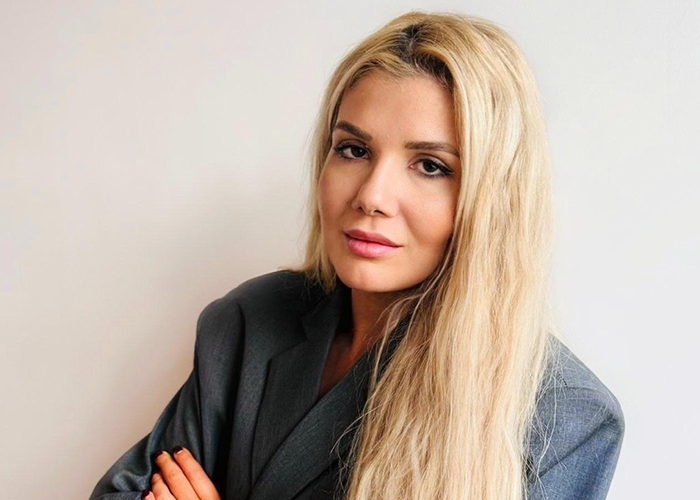
By Irmak Aktas, Head of Account Management, VML UAE