The most powerful brand advocates are the ones nobody paid. The UAE already knows this. The rest of the world is still catching up.
Think about the last time a global brand faced a crisis. Not a quiet one, but the kind that makes headlines, invites opinion pieces, and divides the internet. In almost every case, what ultimately moved the needle was not the brand’s own PR statement. It was the customers who showed up without being asked, the ones who took to their own platforms, in their own voice, to say: I have been here. I know what this is. I know what this brand stands for.
That is not a campaign. That is brand equity. And it is the most valuable, least replicable asset any brand can build.
“When a country earns the kind of loyalty that moves people to speak, that’s not a PR win. That is brand equity at its most fundamental state.”
Over the past year, something interesting has happened across social media in the UAE. As geopolitical tensions in the region have intensified, influencers and content creators based in the UAE, whether Emirati’s or residents alike as well as people from across the world who’ve visited the UAE, have been speaking up. Not about deals or brand partnerships. About belonging. About trust and loyalty. About why they choose to be here, and why that choice feels like a ‘no-brainer’.
And predictably, some of those from the outside with hidden agendas have raised eyebrows. The content looks too consistent. The sentiment too warm. The assumption, repeated in comment sections and threads, is that someone must be writing the cheques.
In marketing terms, it’s a fascinating inversion. We have spent years debating how brands can make influencer content feel more authentic, yet the UAE has inadvertently created a case study in what happens when authentic advocacy is so strong, so coherent, and so widespread that some couldn’t help but read it as manufactured..
The parallel to brand marketing is precise. When Nike faced boycotts, some long time customers filmed themselves burning shoes and other long time customers filmed themselves buying more. When a beloved restaurant gets a bad review, its regulars flood the comments. The brand does not need to say a word because the community already knows what the truth feels like from the inside.
The UAE is that brand. Its residents, the people who chose to build their lives here, raise their children here, build their businesses here, are its community.
For those of us who work in influencer marketing, there is a lesson here. The question we should be asking our clients is not: how do we get influencers to say the right things? It is: have we earned the kind of loyalty that makes people say the right things without being asked? Because that is the only form of advocacy that survives scrutiny. Paid content can be disclosed and discounted. Genuine belief cannot.
The irony, of course, is that the very authenticity that makes this advocacy powerful is also what makes it unbelievable to the outside eye. We have become so conditioned to assume that influence is transactional that we struggle to process it when it is not. That is not a problem with influencers.. That is a problem with our assumptions about how trust works.
The UAE has not only figured out influencer marketing by attracting some of the world’s most prominent creators through events such as the 1 Billion Followers Summit and creator spaces such as CreatorsHQ and Imvent Studios. It has figured out something more fundamental: that the strongest influencer marketing strategy is not a strategy at all. It is the result of years of consistent investment in the experience of the people who live inside your brand, whoever, wherever they are from.
Keep teaching the world, UAE.
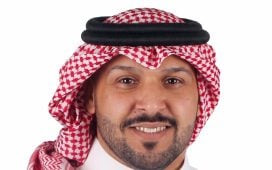
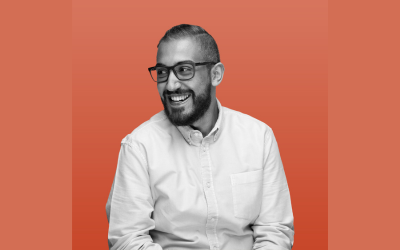
By Mike Alnaji, CEO, Imfluence.