


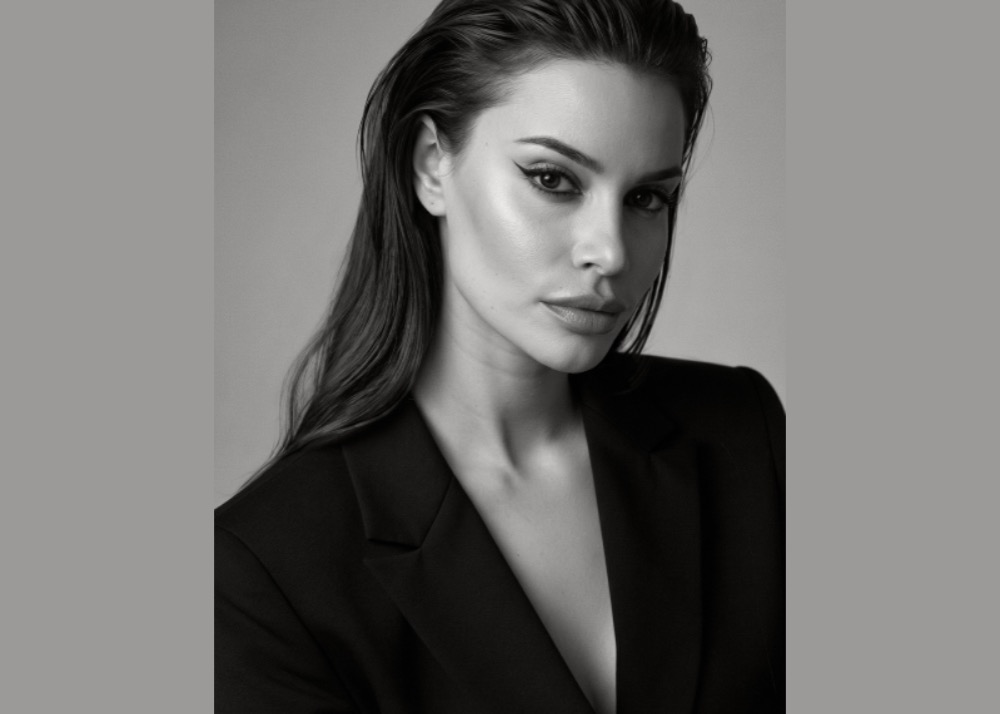
 Sophie Hiller, Founder and Creative Director of desyre.AI, Dubai
Imagine this scenery: it is winter in Germany, it is snowing and bitterly cold. I am a little child doing the Christmas shopping with my mum. We walk down the street and my eyes are caught by a big Christmas shop window. In it hangs a beautiful festive picture of teddy bears.
My eyes light up and I immediately fall in love with this teddy bear world – and of course, how a child is – I want that one bear more than anything. My mum tells me it costs more than all the other teddy bears and asks if I would also be okay with another one. It is a Steiff bear, the traditional brand of stuffed animals with the button in the ear.
Back then I did not understand why it had to be this teddy bear and absolutely no other. That is where it began: I realised that strong brands trigger feelings and carry something specific. I found that fascinating even then and I am all the happier that I have made it my job today.
An AI image only works if, despite being AI, it has heart, soul and a real message.
In an ever more digital world, real connection matters more than ever, because it has become very rare. Our basic needs are belonging, recognition and the feeling of truly being seen.
The more digital everything becomes, the more important it is that we humans return to our core and understand why something really lands in life.
With luxury brands in particular, connection and the expression of certain values are the very essence of the brand. People do not carry a Dior or Louis Vuitton bag because they simply find it beautiful, but because it carries something specific and they want to connect with it.
A campaign image is therefore not just an image. It has to trigger feelings in the person looking at it and, in the best case, also carry the brand’s values and tell the viewer a story. Only then can they connect emotionally with the brand, subconsciously. Otherwise an image is simply pointless.
For AI images, the people who create them must be truly aware of what they are doing. It is not about creating perfect image worlds, but about conveying the core, the heart and the soul of a brand. That only works with years of experience in brand building and an eye for detail, so that an image has depth and looks hyperrealistic.
Today we do not need more perfection, we need soul and AI images can have it too when the person behind them understands the craft.
Hyperrealistic AI productions can take the place of traditional photo shoots, which need a lot of planning and resources, and this makes life easier for brands. But the ease only helps when the story stays at the centre and the work still carries the brand’s own soul.
What should brands do differently? First ask which story they want to express, not just which beautiful campaign spread they want. What do they want to say with these images?
Brands should work with people who understand that a series of images has to tell a story. That is the only way to reach anyone in our overstimulated world, by standing apart and not showing perfect, cold images. Whether it is a real estate developer or a luxury watch brand, it has to trigger something in someone.
Here in Dubai, what strikes me most is how much high-gloss precision and quality there is. The best example of how computer-generated images can move people, in my view, is the Cartier campaign with the little panther: it went viral in Instagram videos and beyond, it genuinely touched people because it triggered emotion and it was shown on a huge video screen right here in Dubai. It connected luxury with something fascinating and it was storytelling that moved people.
What I wish for is that brands change their focus: it should not be about the perfectly groomed AI image, but about expressing what the brand stands for, such as specific values, belonging or heritage.
Everyone who uses AI today should be aware of their responsibility, as a brand and as a creator. That includes not creating unrealistic campaigns and not conveying unrealistic beauty ideals.
People always buy from people and that must not be lost. We are all humans with heart and soul.
As a child, I would want to see exactly the same thing in the shop window today: an image that triggers a feeling in the viewer.
By Sophie Hiller, Founder and Creative Director of desyre.AI, Dubai







