If you still think you’re marketing to people, you’re only half right. Actually – you’re only half relevant. Sure, humans are your end users but before your message reaches anyone’s eyes, it’s judged, filtered, sorted and sometimes buried – by machines. Algorithms, AI assistants and invisible gatekeepers decide what’s shown and what’s forgotten. In today’s digital reality, it’s not just business-to-business (B2B) or business-to-consumer (B2C) marketing anymore. It’s B2M: business to machine. And brands that understand this and design for it are already pulling ahead. The rest? They’re waiting for human attention that’s never going to come.
Algorithms are the new gatekeepers
Still thinking your content naturally ‘reaches’ people? Cute. Let’s look at what’s actually happening:
When a prospect ‘Googles’ a solution, an algorithm decides which link they see first.
When they scroll LinkedIn or TikTok, machines choose what content gets fed to them.
Even when they query Siri or ChatGPT, AI curates the options.
You’re not pitching to a boardroom anymore; you’re pitching to a math model. And this math model controls attention. According to BrightEdge Research, 68 per cent of all online experiences begin with a search engine. If you don’t make the cut, you don’t get seen.
What do machines ‘want’?
Good news: machines are easier to understand than humans. Bad news: they’re harder to impress. But unlike humans, machines don’t feel. They scan, structure and score. So, before they reward your content with visibility, they look for:
Clarity of structure: Can it be easily parsed? Are there headings, bullet points and meta tags?
Contextual relevance: Does the content semantically match the user’s query or interest cluster?
Freshness: Is it timely? Updated? Recently published?
And it doesn’t stop there. Once your content passes those basic checks and reaches your human audience, algorithms start watching for signals that humans leave behind:
Engagement: Are people clicking, commenting, saving or sharing?
Retention: Are they sticking around? Scrolling? Rewatching? Bouncing?
The reward? More interactions and more views. But no interactions – hope you enjoyed your five minutes of fame. You must design for the machine so it can deliver you to the human – and then design for the human so their behaviour signals the machine to push you further. Miss one, and you’re invisible.
How to market to machines – without losing the human
So how do you play this new game without becoming a robot yourself? Here’s the playbook:
Structure like a machine, speak like a human: Ensure clear titles, crisp metadata and digestible headers. Prioritise punchy openings – algorithms only preview your first lines. This requires human empathy layered after machine recognition.
Optimise for visibility, not just aesthetics: Design for deliverability first. Design for looks second. Then, take into consideration text in images, alt-tags and responsive design – these aren’t decorations; they’re survival essentials.
Email marketing? Yes. Spam filters – also machines – decide whether you ever get seen based on subject lines, structure and load speeds. According to Validity, one in six permission-based marketing emails never reach the inbox. You’ll want to keep your email subject lines short, specific and curiosity driven, and use relevant attractive keywords. If you use all caps or overpromising phrases and you’re almost guaranteed to trigger a spam filter.
Engineer the engagement you want: Chasing vanity likes can be charming for screenshots – not so much for machines. Algorithms watch for every type of engagement signal, and they reward meaningful interactions much more than they do passive likes. So, if you want the machine’s favour, design for real interactions: shares, saves and meaningful replies.
Pro tip: Start conversations, not broadcasts. Ask for opinions, not ‘likes’.
Understand each platform’s brain: One-size-fits-all never worked; it won’t work now. So, what does each platform prioritise?
Google: Semantic clarity, backlinks and freshness
LinkedIn: Comment volume and niche relevance
TikTok: Hook within three seconds, watch time and re-playability.
YouTube: Click-through rates, session duration and keywords.
Instagram: Saves, shares, story replies and retention on Reels. And this matters more every quarter. On TikTok, high watch time powers distribution. According to Hootsuite, creators with higher per-view watch time get 67 per cent more total watch time, 3 times more views, and up to 40 times higher follower growth. The machine doesn’t care about your brand — it cares if people watch you again.
Build machine-friendly assets: AI platforms such as ChatGPT and Gemini don’t read. They ingest clean, scannable information. If you want AI to quote you someday, then prepare insights they can use. Focus on bullet points, FAQs and glossaries; transcripts for videos; as well as defined expert quotes.
Here’s the kicker: AI summaries are rapidly taking over search. Pew Research found that when an AI summary appears, users are nearly half as likely to click traditional links. A Bain report suggests that 60 per cent of searches now end without any clicks at all.
If your content isn’t machine-friendly, you’re already behind.
AI is the gatekeeper, humans are the goal
This isn’t about bowing to the algorithm masters; it’s about understanding the gateway. Embrace the machine’s rules. Earn the right to reach the human. Conversely, if you ignore the machine’s rules, your message might never get a chance.
Marketers who win today are those who blend systems-thinking with storytelling instinct. You don’t need to code. You need to understand the ecosystem you’re trying to enter – and who guards the gates. Win the machine, reach the human. Lose the machine, and you remain invisible. Your move.
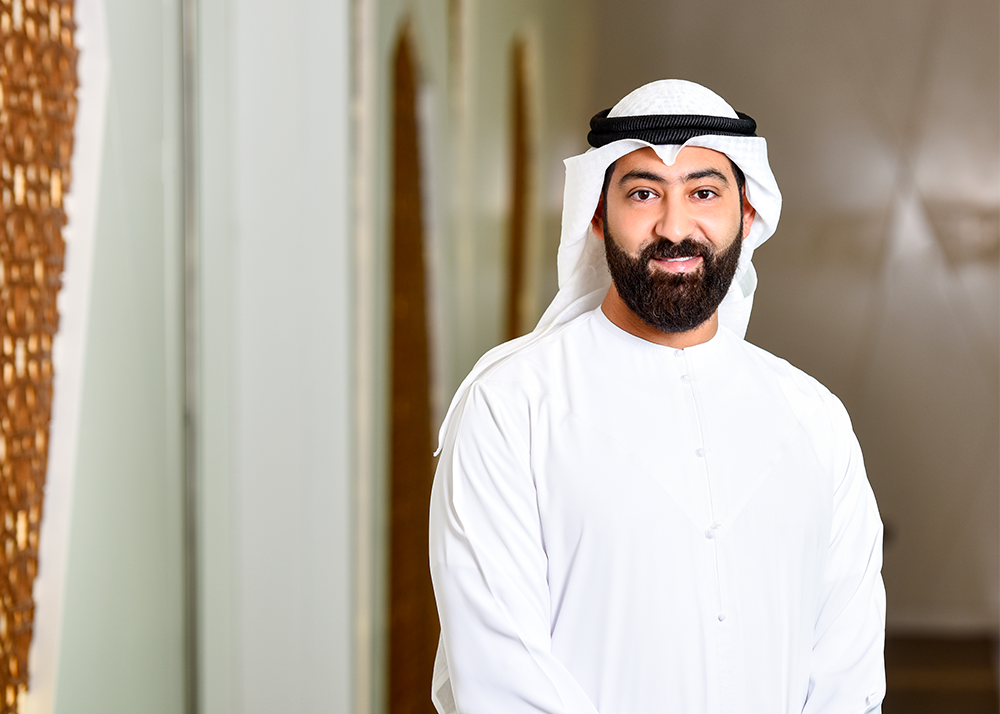
By Ahmad Numan, Director of Marketing and Corporate Communications, Ras Al Khaimah Economic Zone (RAKEZ)