


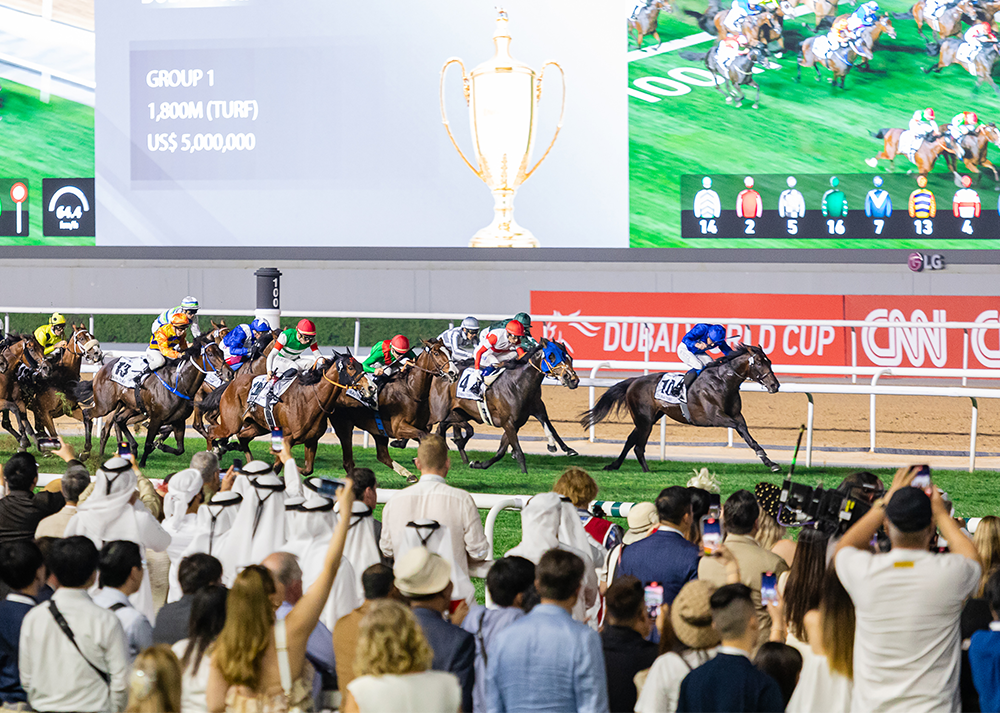
The Dubai Racing Carnival returns to Meydan Racecourse on 6 November, bringing another season of international racing, dining and entertainment to the city. But for Dubai Racing Club, the challenge this season extends beyond attracting spectators to the track. It is about turning a night out into a lasting connection with the sport.
Visitation to the Dubai Racing Carnival has grown by 72 per cent over the past two years. With a 16-meeting season culminating in the Dubai World Cup on 27 March 2027, the club is looking to build on that growth by reaching new audiences while keeping its established racing community engaged.
The strategy places greater emphasis on the experience surrounding the sport, from hospitality and fashion to digital content and behind-the-scenes storytelling. New dining additions, including Bisou, Alba and Himitsu, alongside a new hospitality experience at Silks Restaurant, further expand the offer at Meydan.
For Sophie Ryan, head of corporate communications, marketing and brand at Dubai Racing Club, the starting point is making racing accessible without losing what makes it distinctive.
She says, “Our guiding principle is simple: you should never need to know about horseracing to enjoy it. On any Friday at Meydan, we host a knowledgeable, loyal racing community alongside guests who have come for the dining, the fashion or simply one of the most spectacular settings in the city. A successful strategy has to serve both audiences at once, without diluting the sport for one or overcomplicating it for the other.”
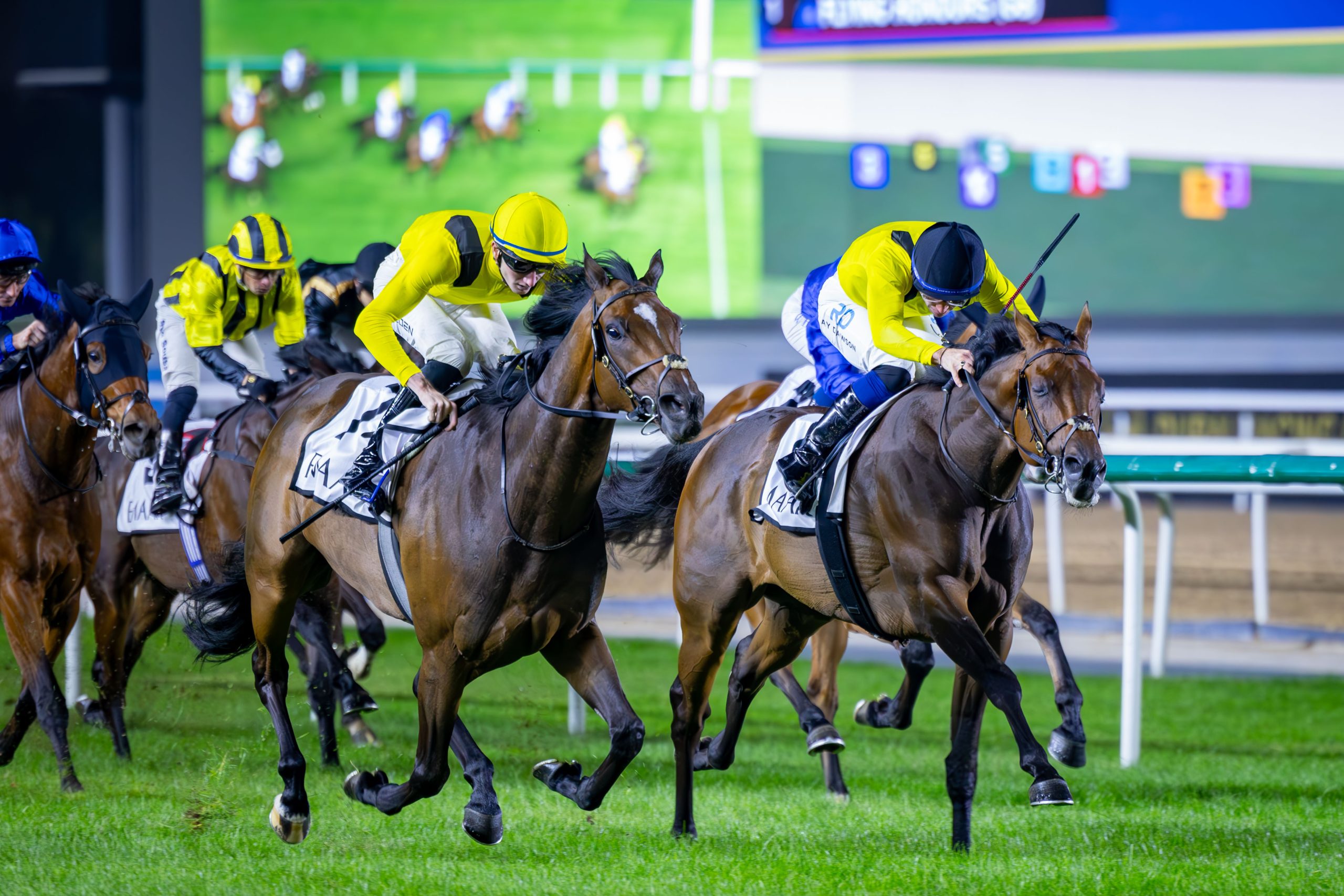 Selling the experience, not just the sport
“The growth figure tells us our audience is bigger. What matters now is what brings people back. A 16-meeting season, building to the Dubai World Cup on 27 March 2027, gives us something that many entertainment brands don’t have: a natural story arc. Our job is to use it, so that a first visit becomes a repeat visit, and familiarity becomes a real connection with the sport.”
That broader proposition also reflects how people discover and choose entertainment today. With restaurants, concerts and social experiences competing for attention, racing is no longer competing solely with other sporting events.
Ryan says this has made digital discovery an increasingly important part of the marketing strategy, with the race-day experience beginning well before guests arrive at Meydan.
“Sports marketers are competing for people’s time, not just their sporting interest. And most of those decisions are made on a phone. A prospective guest is scrolling past a new restaurant opening, a concert and a rooftop with friends, and in Dubai that is one of the most competitive leisure and hospitality markets in the world. The evening is often decided on the feed long before anyone reaches the gates, so our digital presence has to sell the experience as convincingly as the experience itself,” says Ryan.
That has changed how marketers think about sports, fandoms, community and entertainment. The experience starts on screen, before the consumer has even visited the ground, and it continues there long after.
“We plan the evening with content in mind: the horses walking the Parade Ring at sunset, the build-up before the off, the finish under the lights, the style moments throughout. These are naturally shareable, and when guests capture and post them, they become our most credible marketing. Social, creators and short-form video let us show what a night at Meydan feels like, which is far more persuasive than telling people,” says Ryan.
Racing can feel complex from the outside. Short, accessible content, such audiences how to read a race card or who to watch this week, or behind-the-scenes footage from the stables; this in return lowers the barrier for newcomers and gives established fans more depth.
“The aim is that someone can go from discovering us online to booking a ticket in a few taps, and feel confident they’ll enjoy it when they arrive,” says Ryan.
The combination of sport, lifestyle and luxury gives the club different ways to communicate that experience. While dining and hospitality can bring new visitors through the gates, Ryan believes the racing itself remains the defining point of difference.
“The blend of sport, lifestyle and luxury is what gives us that content. The lifestyle offer is the invitation: it gives someone a reason to choose Meydan for their evening. The luxury layer, from fashion and fine dining to private suites, deepens the experience for those who want more. The sport is what makes it unlike anything else in the city: the tension before the start, the roar as the field turns for home. No restaurant or venue in Dubai can offer that, and it’s what makes our content stand out in a crowded feed. Whatever reason brings someone through the gates, our aim is that their racing experience is what they remember, and what they share,” says Ryan.
Giving audiences something to follow
Beyond promoting individual race meetings, Dubai Racing Club is looking to build a more continuous content narrative throughout the season.
Ryan says the 16-meeting calendar gives the marketing team room to experiment with different formats, personalities and collaborations, using audience responses to inform what comes next.
“We want to give audiences something to follow, not just something to attend, and to do that, my team has the freedom to be creative and experiment. A 16-meeting season is a gift in that respect. Every race day is a chance to try something new, see how audiences respond and build on what works by the following week. That rhythm lets us take creative risks we couldn’t take with a single annual event. We can test a new format, a fresh angle on a personality or an unexpected collaboration, learn quickly and scale up the ideas that connect. I’d rather the team tried ten ideas and found two that change how people see racing than played it safe all season,” says Ryan.
One example is Inside The Rails, a series offering audiences access to industry professionals and familiar personalities from the sport. The club is also developing lighter content designed to capture the humour and personality of race days, balancing specialist insight with entertainment.
Inside The Rails shows what that can grow into. The series gives audiences access to industry professionals and some of the best-known faces in the sport, and its popularity showcases that there is real appetite for that depth and authenticity. According to Ryan, the series has become a cornerstone of content, building credibility with established fans and giving newcomers people they want to follow.
“This season, we’re balancing that with something lighter. The team has a pipeline of fun, engaging ideas designed to show the personality and humour of behind-the-scenes and race day, the side of Meydan that makes people smile, share and want to be there. Racing doesn’t have to be serious to be taken seriously, and the mix of insight and entertainment is what will keep our storytelling fresh across a full season,” says Ryan.
Fashion is another part of that storytelling. With Fashion Friday providing a recurring platform, the club is looking to explore the people, personal style and preparation behind race-day dressing.
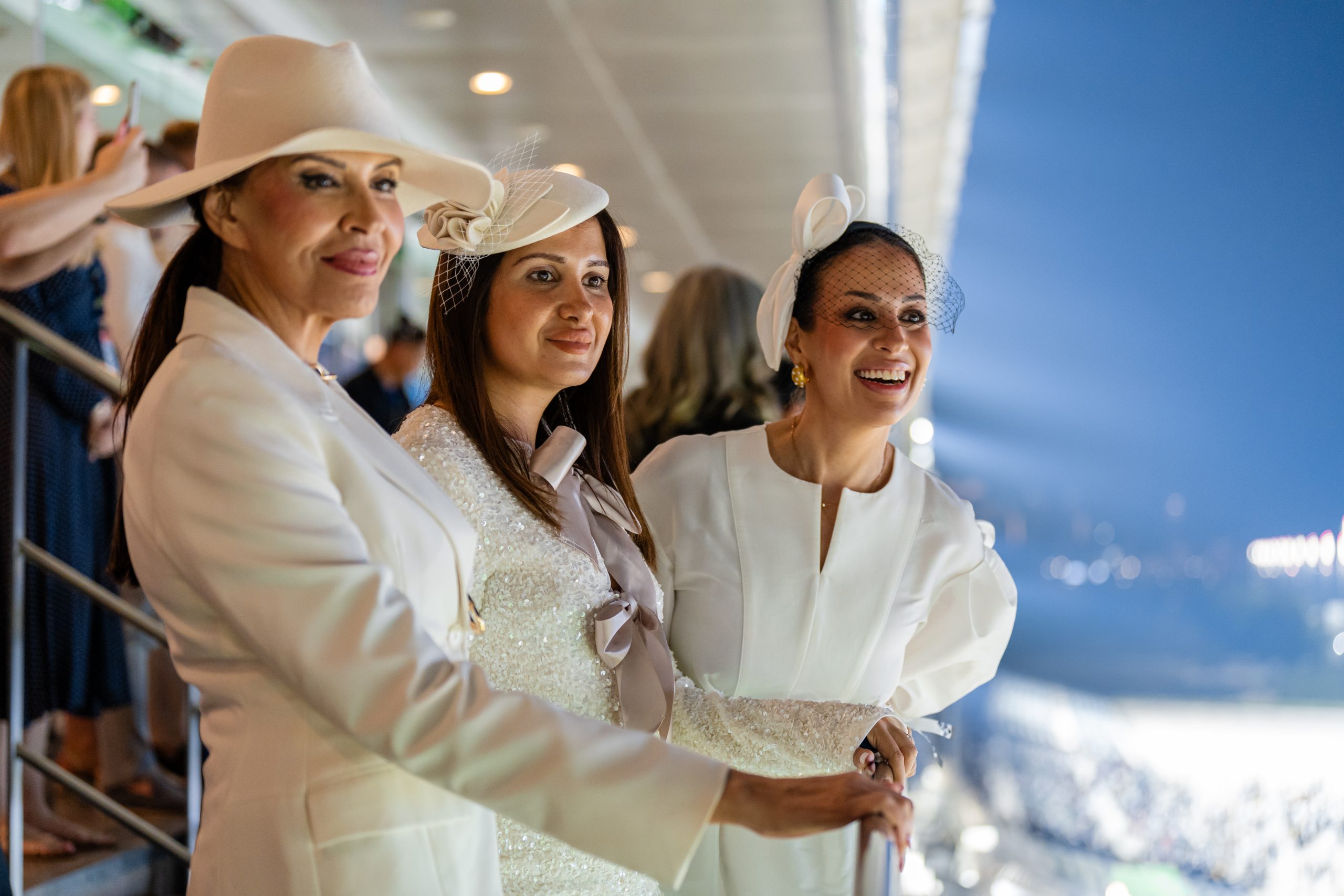
“Fashion is a natural part of that. Racing has one of the richest style traditions of any sport, and Fashion Friday gives us a focal point for the stories behind it: personal style, the designers people discover, the preparation behind an outfit. We connect those stories back to the atmosphere and anticipation of race day, so fashion becomes a route into the sport throughout the season rather than a separate event that happens to be at a racecourse,” says Ryan.
The storytelling also extends beyond the grandstand. Ticketed stable tours, returning in October, give visitors a closer look at the horses and the work that goes into preparing them for race meetings.
“There is equally rich material behind the scenes. Our ticketed stable tours return this October, opening up a side of Meydan that guests never see from the grandstand: the horses, the care that goes into them at home and the early-morning work before a race meeting. Those stories have depth and continuity, which is exactly what builds long-term interest,” says Ryan.
Building relationships with younger audiences
Reaching younger audiences is another consideration for the season, although Ryan is cautious about framing them as a group that needs to be convinced to engage with racing.
Rather than changing the sport to fit a particular generation, the club is focusing on the different entry points that might introduce people to it, whether through fashion, food, social connections or an interest in horses.
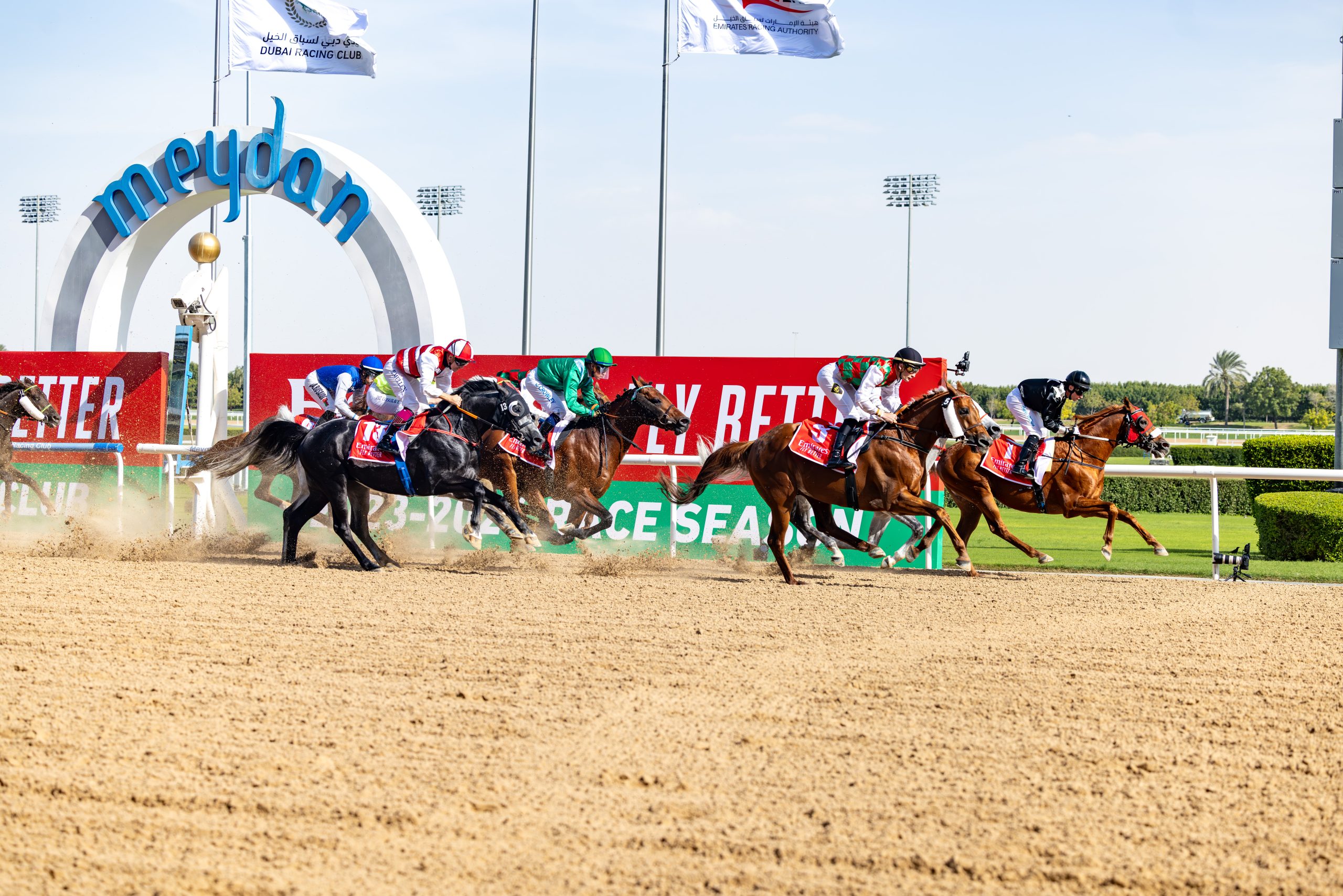
“I don’t see that “younger audiences” are a problem to be solved. The industry often talks about them as a challenge, as if they need to be persuaded or converted. In our experience, they’re curious, they’re discerning and many of them are already here. Our job is to understand what they value and earn their loyalty, not to work out how to “get” them,” says Ryan.
She adds, “What they value is authenticity. They can tell the difference between a brand that’s trying to appear relevant and one that has something real to offer, and racing has plenty to offer: the athleticism, the characters, the drama of a close finish, the style and the sense of occasion. We don’t need to reinvent the sport for them. We need to show it honestly and let them discover it on their own terms.”
That discovery often starts somewhere other than the racing. It might be fashion, food, a friendship circle, or the horses themselves, and each of those is a valid way in. We don’t see that as a dilution of the sport. It’s how most people first connect with any passion. Marketers role is to make the next step feel natural.
“We’re also careful not to mistake attention for a relationship. A view or a like is a useful signal, but the real measure is whether it leads someone to explore the sport, attend and come back,” says Ryan.
She adds, “Ultimately, we want to give younger audiences the confidence to take part and the freedom to build their own connection with the sport, not tell them how they should experience it. Some of the best ideas for how we engage them come from simply listening to them.”
And for Dubai Racing Club, that’s the real finish line: turning a passing interest into a lasting love for the sport.







