For a country of more than 30 million people, Saudi Arabia has lacked a live events industry for far too long. If we wanted to attend a concert, an exhibition or a conference a few decades ago, we would hop on a plane. Today, the reality is different. From music to sports, culture to entertainment, we have built an industry that is producing a wide variety of events.
And yet, I feel there’s something missing. I’ve spent the last few years working on events across the country – for companies, government entities, multi-city programmes and, more recently, building something from the ground up with TCG Con Arabia.
The best events have their own special sauce: a story or experience that hooks the audience and keeps them coming back for more. This matters more than ever, especially given how fast the industry has grown and how many events are now on the calendar.
The reality for many visitors is this: when they walk into an event, everything looks good on the surface. The stage is set up. The screens are massive. The schedule is packed. The sponsors are present. But, when they walk through the event, something feels flat.
Visitors come in, look around, take a walk and capture photographs of the event for social media. Once that’s done, the question is: “What’s next?”
That question should not exist in a well-designed event, which built around its audience, their expectations and their interests. The issue is that most events are built like projects. We tend to secure a venue, bring in production, lock sponsors, finalise logistics and then, somewhere near the end, the experience is bolted on.
But experiential marketing doesn’t work like that. It’s not a layer; it’s the foundation. Every event needs to be built around the visitors and what they want to see. This doesn’t just include the event itself, but the run-up and what happens after the doors have closed.
An example of this in action was TCG Con Arabia, which we organised in February 2026. TCG Con Arabia was the largest gathering of trading card collectors and enthusiasts in Saudi Arabia, bringing together collectors, traders, players and creators under one roof.
We had to ask ourselves what visitors would want to see, what they would want to do and why they would want to spend time at the event. In effect, we had to study our audience and put ourselves in their place. We quickly realised that people don’t care about how much effort goes into building something; they care about what they can do with it.
While the fancy screens, the branding and the music make for a spectacle, what visitors really want is an experience that reflects their passions. That’s where a lot of event organisers fall short.
The same can be said of other stakeholders, as well. Take sponsors, for example: they are one of the biggest missed opportunities. Most of them show up, put up their logo and perhaps a booth – and that’s it. But a sponsor shouldn’t just exist in the space; it should add to the experience. Globally, brands are expected to entertain, engage and even compete for attention within the event itself. Here, they’re often just present.
Another issue is flow: events can have a great set-up, but if people don’t know where to go next, the entire experience breaks down. And once that happens, it’s very hard to recover. People disengage quickly and leave.
I’ve seen this even in well-funded, well-produced events. Everything looks impressive, but there’s no journey or build-up to the next experience. There’s no reason for anyone to stay for more than an hour. And then they move on to the next event and repeat the same cycle.
Saudi Arabia has everything it needs to lead globally in this space. The ambition is present, the budgets exist and the audience is more than ready. There is a pent-up hunger for live experiences in the Kingdom unlike anywhere else.
The local event industry needs to shift how it thinks, and it need to measure success differently. It needs to move from, ‘did we execute well?’ to ‘did people enjoy this?’
At the end of the day, people won’t remember how big an event was, but they will remember whether it was worth their time. If the answer is positive, we will see them again. If it’s negative, well, we can guess what will, or won’t, happen.
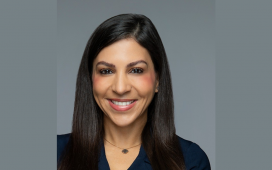
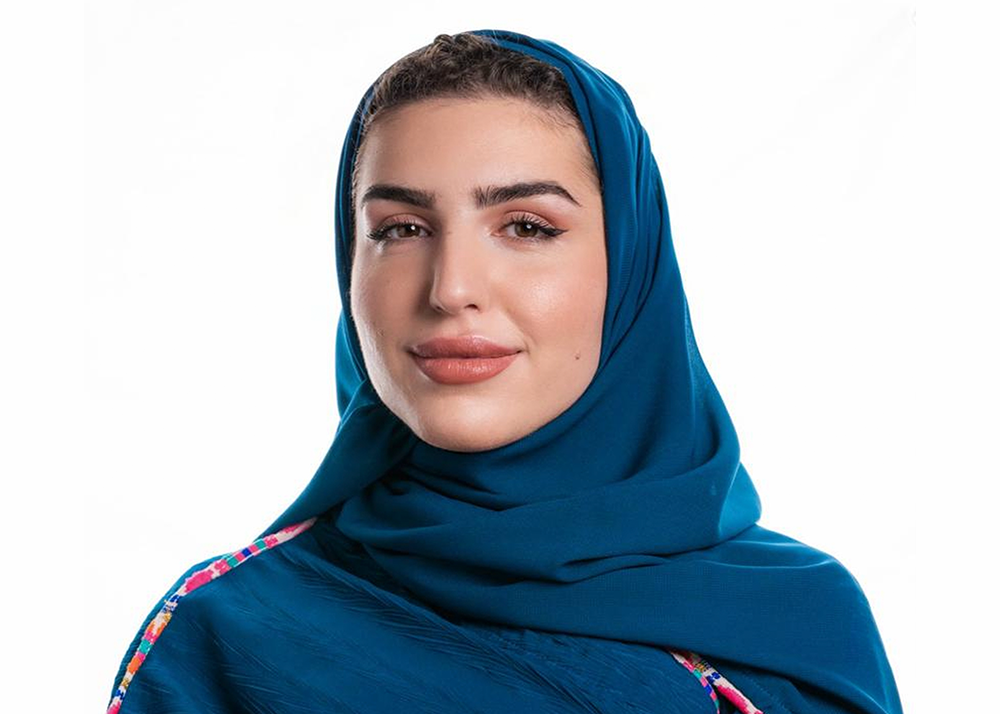
By Fawziah Alalami, Managing Creative Partner, Khyal Events and Khyal Studio.