fbpx
DigitalFeaturedOpinion

Why brands must speak wellness to win Gen Z and millennials

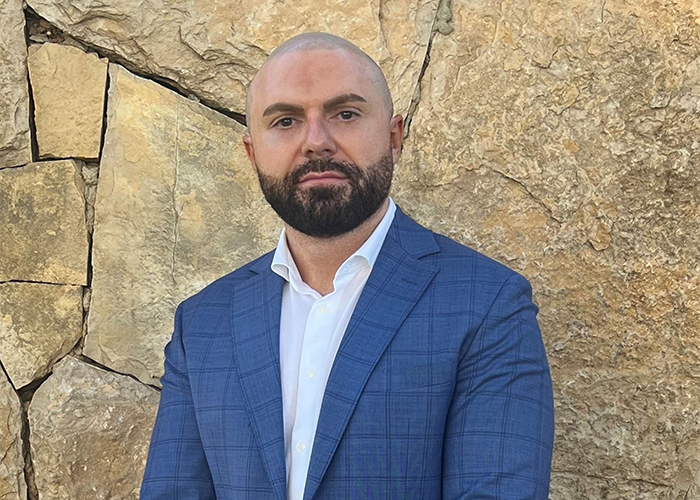
"Brands that fail to embed wellness into their communication, whether through intrusive tactics, pseudo sincerity, or neglect of employee mental health, risk backlash from younger generations," says Baha Hamadi, Founder & Managing Director, Keel Comms.

Brands that fail to embed wellness into their communication, whether through intrusive tactics risk backlash from Gen Z and millennials.

On a global scale, the wellness market reached $6.3 trillion in 2023 and is projected to climb to $9 trillion by 2028. In today’s hyper‑connected, post‑pandemic world, wellness has become a cultural language and a ladder to reach audiences. From matcha lattes to mental clarity apps, Gen Z and Millennials now expect brands to embody values like calm, transparency, sustainability, and purpose in the way they communicate.
Wellness as a lifestyle
For younger generations, wellness has become an everyday self-care. They value small rituals, such as functional food, breathwork apps, and sustainable routines more than exclusive indulgences. Brands that position themselves as accessible and woven i


To continue reading this article you need to be registered with Campaign. Registration is free and only takes a minute. Register Now or sign in below if you already have an account.

the authorHiba Faisal
Hiba Faisal is a Junior Reporter at Campaign Middle East, part of Motivate Media Group. She handles coverage on influencer marketing and the luxury industry, and is also tasked with the brand’s social media presence. Alongside her daily reportage, she produces and edits video content for Campaign’s digital platforms — including Reels, interviews, and behind-the-scenes features. She specialises in capturing how brands build emotional connections with their audiences by prioritising relevance and authenticity through co-creation and storytelling.