fbpx
AdvertisingFeaturedOpinion

An open letter on AI, art and the soul of the creative

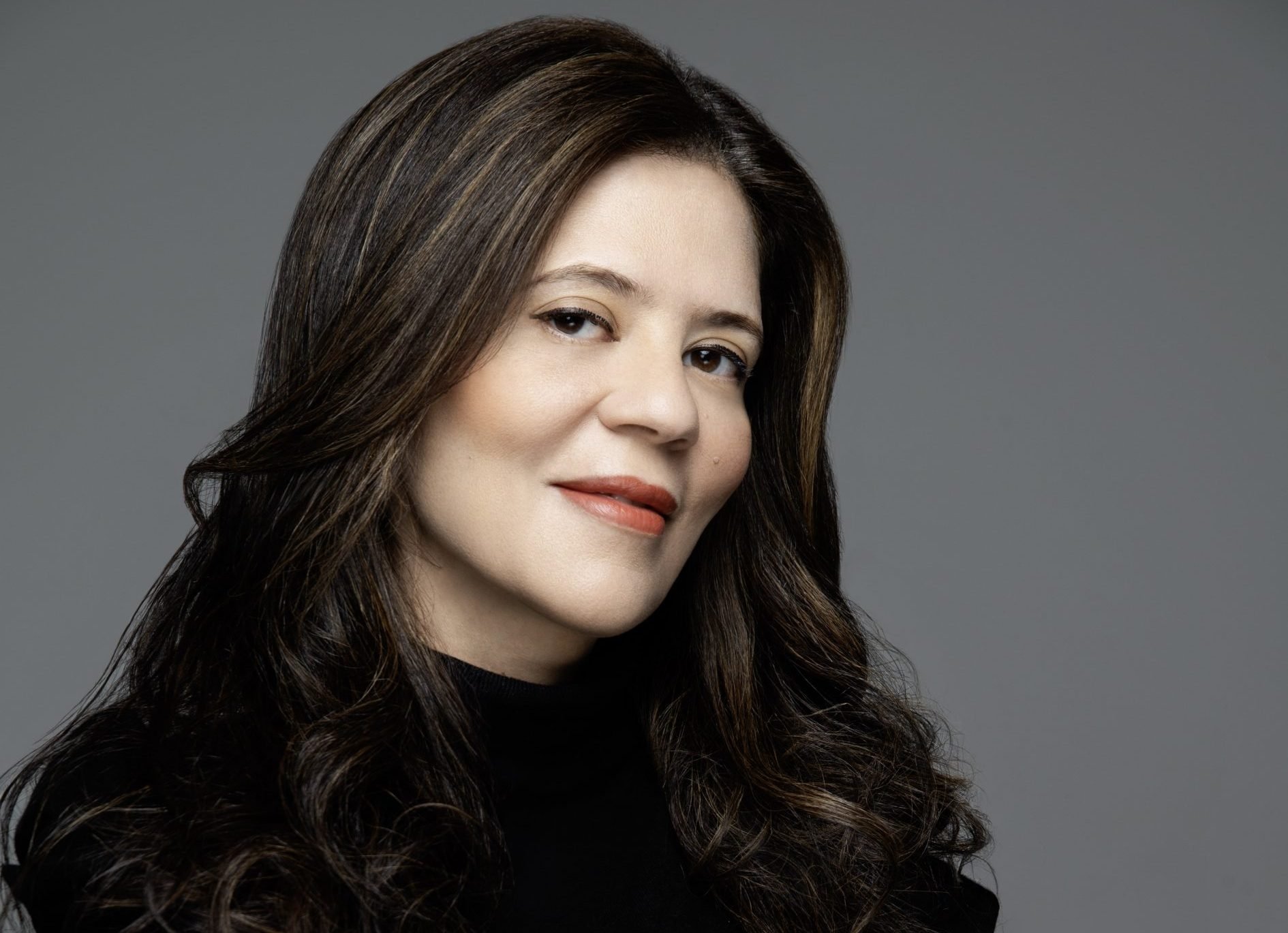
Oda Concepts' Rasha Mansour says, "Let us not forget: art is not a product. It is a process. And for many, it is the only way out."

Rasha Mansour,  Managing Partner, Oda Concepts on artRasha Mansour,  Managing Partner, Oda Concepts

To those who still believe in the soul of art: It has always been more than just images or words. For the true artist, it is an act of survival. It is where pain is transformed into beauty, chaos into meaning.

For many, it’s how they process the world, how they breathe, how they heal. Every brushstroke, every word, every note is born not from convenience but from struggle, reflection, and a deep, aching desire to be understood.

Now imagine that being taken away.

With the rise of AI-generated art, we are stepping into an era where anyone can produce beautiful images in seconds. While this accessibility may seem like a triumph, it casts a long and dark shadow on those whose lives are tethered to their creative work. Imagine spending sleepless nights wrestling with a concept, only to see someone type a few words and get a result that the world may celebrate just as much — if not more.

What does that do to the person who poured their pain, their trauma, their joy into their art?

Artists like Frida Kahlo, who painted through chronic pain and heartbreak. Vincent van Gogh, who fought mental illness with every canvas he touched. Kurt Cobain, whose music was a raw cry from a haunted soul. Sylvia Plath, who wrote from the depths of depression. These are not creators who “generated”—they suffered, processed, and offered us their truth. Not for applause, but because they had to.

And what about the art directors, the writers, the designers who are often labeled “difficult” simply because they wait for something real to arrive? Because true creative work doesn’t emerge on command—it demands space, silence, and that rare pang of inspiration that cannot be forced. This is why deadlines are long. Not because creatives are slow, but because real magic doesn’t happen on a clock. It comes from somewhere deeper.

AI may help. But it also risks silencing that voice — the one that speaks not just in ideas, but in emotion and memory and soul. If creativity becomes a game of speed and output, what happens to the people who once created to survive?

We’re not afraid of tools. We’re afraid of losing the sacred path through pain that leads to healing—not just for the artist, but for everyone who sees a part of themselves in the work.

Let us not forget: art is not a product. It is a process. And for many, it is the only way out.

By Rasha Mansour,  Managing Partner, Oda Concepts
the authorAnup Oommen
Anup Oommen is the Editor of Campaign Middle East at Motivate Media Group, a well-reputed moderator, and a multiple award-winning journalist with more than 15 years of experience at some of the most reputable and credible global news organisations, including Reuters, CNN, and Motivate Media Group. As the Editor of Campaign Middle East, Anup heads market-leading coverage of advertising, media, marketing, PR, events and experiential, digital, the wider creative industries, and more, through the brand’s digital, print, events, directories, podcast and video verticals. As such he’s a key stakeholder in the Campaign Global brand, the world’s leading authority for the advertising, marketing and media industries, which was first published in the UK in 1968.