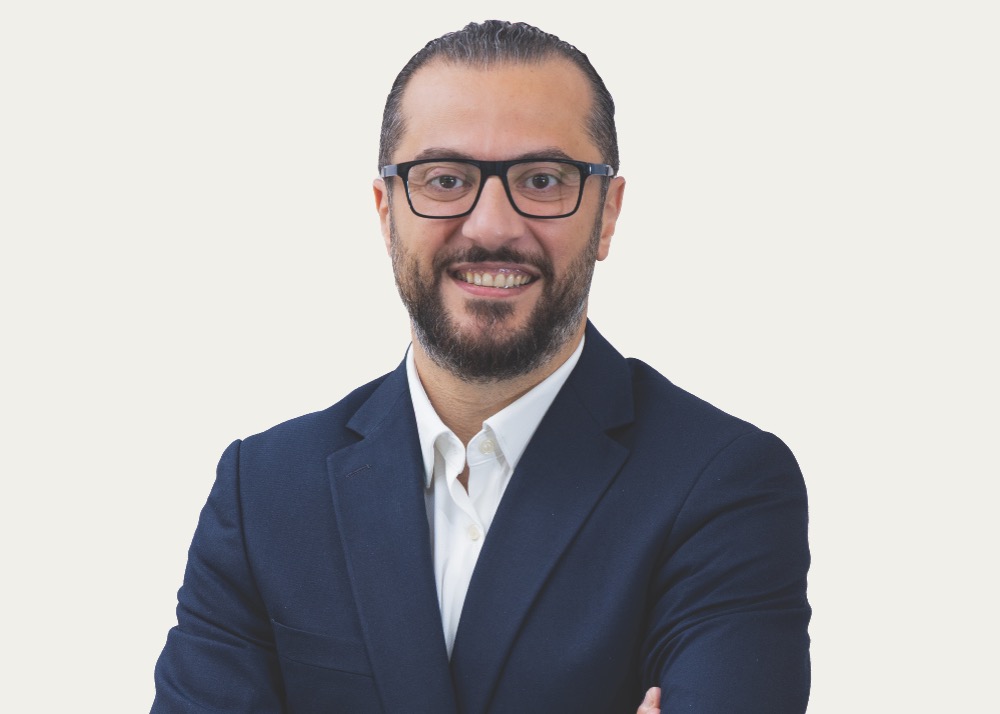
 Elie Hajjar, Group Chief Operating Officer, Multiply Media Group
Artificial intelligence is changing the way we work at a remarkable pace. From automating routine processes to analysing complex information, technology allows businesses to operate with greater speed and efficiency. Yet as we focus on what AI can do, I believe it is equally important to consider what it means for the people leading and working within organisations.
Having spent more than two decades in the Out-of-Home industry, I have witnessed significant changes in how businesses operate. New technologies have transformed processes, accelerated decision-making and challenged established ways of working. Throughout these changes, one belief has remained central to my approach to leadership: understanding people is just as important as understanding the business. This belief is closely reflected in “Emotional Intelligence: Why It Can Matter More Than IQ” by psychologist Daniel Goleman, a book that has particularly resonated with me. His emphasis on self-awareness, empathy and understanding others reflects a principle I have always valued. Effective leadership requires more than technical expertise or the ability to make commercially sound decisions. It requires an understanding of the people responsible for turning those decisions into results.
This is particularly relevant today. AI can provide information, identify patterns and recommend solutions, but it cannot fully account for the complexities of human relationships. Recognising when someone needs encouragement, understanding the reasons behind resistance to change or knowing how to approach a difficult conversation requires experience, empathy and human judgement.
I have always believed that emotional intelligence and accountability go hand in hand. Understanding people does not mean compromising on expectations or avoiding difficult decisions. Rather, it allows leaders to communicate more effectively, build trust and create an environment where individuals feel confident taking responsibility for their work.
As AI becomes more integrated into business operations, I see an opportunity for leaders to reconsider where they direct their time and attention. If technology can reduce the administrative burden and simplify processes, we should be using that capacity to strengthen collaboration, develop talent and engage more meaningfully with our teams.
At Multiply Media Group, our investment in AI reflects our commitment to improving operational efficiency, allowing us to make faster, better-informed decisions. However, technology is only one part of that progress. Its value ultimately depends on how effectively our teams use it, adapt to it and apply their own experience and judgement.
In my opinion, the next phase of leadership will require a balance between technological intelligence and emotional intelligence. The ability to embrace innovation while understanding the human impact of change will be increasingly important for organisations seeking sustainable growth.
I remain convinced that the strongest leaders are not simply those who make the right decisions, but those who understand how to bring people together to deliver them.
AI will continue to change how we work. The human qualities that define effective leadership should remain at the centre of how we move forward.
By Elie Hajjar, Group Chief Operating Officer at Multiply Media Group.