Every major tournament leaves behind two kinds of brands: the ones that paid for the logo, and the ones people actually remember. Sometimes they’re the same, but increasingly they aren’t. Official rights are expensive and concentrated among a small group of global sponsors, while the way fans follow sport has changed. People experience tournaments through those around the game as much as through the broadcast: players’ families in the stands, the former pro breaking down a match, the superfan filming from the away end, the creator whose group chat lights up at every goal.
I think that shift is one of the biggest opportunities in sports marketing right now, because it means the most valuable place for a brand is no longer next to the pitch, but inside that inner circle.
Fans trust insiders more than sponsors
Fans follow sport for emotion and belonging, and the last thing they want during the moments they care about most is to feel they’re being sold to. They want to feel closer to the game, something an insider can offer in a way a logo never will. When the story comes from someone living the tournament from the inside, the brand stops interrupting the moment and becomes part of how people share it.
It’s also why so many creator partnerships in sport fall flat. Too often, creators are treated as media space, a famous face holding a product during match week, which pushes reach up without adding meaning. The partnerships that work start with a different question: not who has the biggest audience, but who is closest to the story fans actually care about.
What it looks like in practice
During the 2026 FIFA World Cup, we worked with Sol de Janeiro on a campaign called World Cup Inner Circle. Rather than chasing football’s biggest names, we brought the brand into the world of Brazilian players’ partners and families, who live every match as fans first and see the tournament from a perspective no broadcast can offer. This wasn’t simply creator content. It opened a window into the experience around the game: the anticipation, emotion and belonging fans want to share. For people watching from elsewhere, those perspectives created a more personal connection to the tournament. Experiential marketing can create closeness beyond the stadium; access itself becomes part of the experience.
The campaign delivered 19.17 million views and impressions, 3.6 million unique reach and a 7 per cent in-feed engagement rate. For a beauty brand in a tournament dominated by football’s biggest sponsors, that was the difference between being seen around the World Cup and becoming part of how people experienced it. The lesson goes beyond beauty or Brazil: being close to the story can matter more than being visible next to it.
Three principles for building an inner circle
Map the people around the moment, not only the athletes. Families, former players, coaches, kit designers, fan leaders and long-time creators are often the voices fans trust most, and they’re usually more accessible than the stars.
Let them tell it in their own way. Fan-first storytelling means the brand fits into the insider’s world, not the other way around. Give creators a clear role and sensible guardrails, then trust them with it. The more scripted something feels, the less it works.
Measure closeness as well as reach. Impressions tell you how many people saw something; engagement, saves, shares and conversation show whether they cared. That depth is what can earn a brand a place in people’s memory of the event.
Why this matters for the Middle East
For brands in the Middle East, the opportunity is not to copy a global sponsorship playbook and translate its captions. Think of a Formula 1 weekend in Abu Dhabi. The race is followed worldwide, but the experience around it belongs to the communities who make it theirs: local motorsport fans, regional creators and people who know the conversations and rituals of race weekend. A brand that gives those voices meaningful access and room to tell their story can connect the event to audiences well beyond the circuit. Across the Gulf, the same sporting moment lands differently across languages, communities and cultures. The most relevant experiential campaigns build around those differences rather than pretending every fan experiences the event in the same way.
And because that content is built for the feed, the experience can reach fans who will never enter the venue.
The final whistle
Sponsorship will always have its place, but I believe the brands that win the next era of sports marketing will be defined less by where their logo sits and more by who chooses to let them in. The front row has moved. The question for every brand is whether it’s sitting in it.
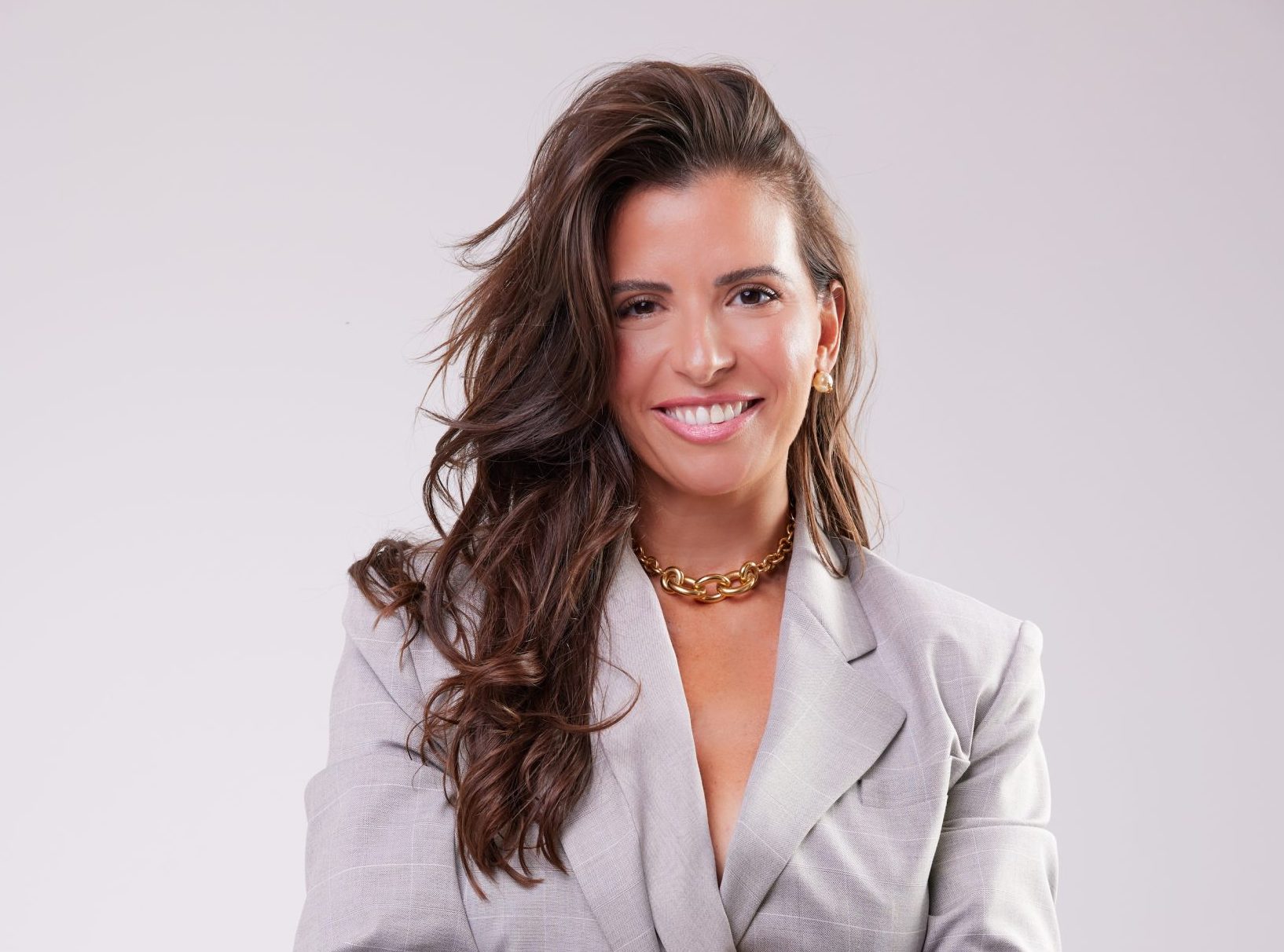
By Maira Genovese, Founder & CEO, MG Empower