Qiddiya City has launched a long-term platform, ‘Powered by Play’, built to put play back at the heart of everyday life.
The platform arises from Qiddiya City’s latest proprietary research which explores why Saudi nationals are leading the world in recognising play as a vital catalyst for overall human potential.
According to the data, 87 per cent of people surveyed in Saudi Arabia believe they would be happier if they played more, compared to 56 per cent in South Korea, 49 per cent in Japan and 48 per cent in Germany. Furthermore, 86 per cent believe they would be healthier and more physically fit – versus 46 per cent in Germany and 41 per cent in Japan – while 83 per cent agree play would strengthen their social skills and relationships.
The findings arrive at a defining moment for Qiddiya Investment Company as it builds Qiddiya City: ‘the world’s first city conceived entirely around the power of play’ spanning more than 360 square kilometres in the Tuwaiq Mountains just 40 minutes from Riyadh.
When complete, it will be home to 500,000 residents and welcome more than 40 million visitors a year. The research and the reveal of ‘Powered by Play’ aims to mark the next step in reflecting Qiddiya City’s core purpose: to become the world’s greatest ambassador of play.
A platform for human potential
The brand’s new platform aims to address the tension that Saudis are not playing enough. Despite knowing its value, the pressures of work, routine, and daily life are crowding play out of their daily routines.
Globally, the study found that 48 per cent of people say they are too busy to play, and 43 per cent cite heavy workloads as the main blocker. In Saudi Arabia, the top reasons people seek out play are to relax and reset from daily stress (68 per cent) and to take a break from work or routine (55 per cent).
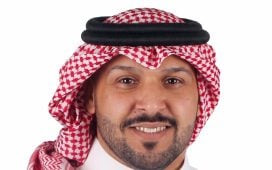
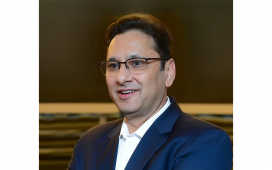
“Play is in our DNA. It is how we learn, how we heal, how we bond, and how we innovate,” said Muhammad Bassrawi, Chief Marketing & Destination Officer at Qiddiya Investment Company.
“This research proves that Saudi society intuitively understands that play is a superpower for the whole self – our minds, our bodies, our relationships, and our careers. Qiddiya City exists to make that superpower accessible every single day, helping current and future generations live happier, healthier and more fulfilled lives,” he said.
Breakdown of key data
Saudi nationals’ views towards play
If they played more than they currently do:
- 87% of Saudis believe they would be happier in life
- 86% believe they would be healthier and physically fit
- 83% believe they would be better in social skills and relationships
- 81% believe they would be more empathetic and more cooperative with friends and family
Saudis’ views on play’s impact on work, studies and the future
If they played more than they currently do:
- 78% believe they would be better and more successful in work or higher education
- 82% believe they would be more creative and solve problems better
- 83% believe they would generate new ideas and new things
- 78% believe they would be more prepared for the future
Why Saudis seek to play
- 68% of Saudis play to relax, reset their minds from stress and recharge positive energy
- 55% of Saudis play to take a break from work, chores, schoolwork or routine
- 52% of Saudis play to get physical exercise to improve health and fitness
- 52% of Saudis play to connect more with friends, family and new friends
Amongst all global respondents, the overall barriers and drivers to play
- 48% too busy, no time in the day
- 43% too much work
- 41% of prices are not suitable, and activities are too expensive
The most important drivers for people around the world are:
- 56% affordable prices
- 50% options for all ages
- 50% not too crowded
Examples of differing views of Saudi nationals and other nationalities
If they played more…
- 87% of Saudis believe they would be happier in life vs South Korea (56%), Japan (49%), and Germany (48%)
- 86% of Saudis believe they would be healthier and more physically fit vs Germany (46%) and Japan (41%)
- 78% of Saudis believe they would be more prepared for the future vs UK (46%), South Korea (41%), Germany (32%) and Japan (29%)
- 78% of Saudis believe they would be better and more successful in their job or higher education vs South Korea (39%), the UK (36%), Japan (33%) and Germany (30%)
The research was commissioned by Qiddiya City and conducted in partnership with Toluna and Boston Consulting Group (BCG). The research drew its finding from interviews with more than 2,600 respondents across the GCC, Asia and Europe.