As the Middle East and GCC move decisively toward 2026, the region’s employment and talent landscape is entering a new era defined by ambition, innovation, and people-led growth. Across the UAE, Saudi Arabia, Qatar, and wider GCC markets, recruitment is no longer viewed as a support function it has become a strategic lever driving national visions, organisational transformation, and sustainable economic progress.
The region continues to witness strong hiring momentum, fuelled by economic diversification agendas, giga-projects, private sector expansion, and increased foreign investment. From advanced manufacturing and logistics to marketing, media, technology, creative industries, and professional services, demand for high-impact talent remains robust and future-focused.
One of the most significant shifts defining 2026 is the evolution of how organisations hire. Employers are moving away from purely transactional recruitment toward outcome-driven, skill-based, and flexible talent models. Retainer consultants, project specialists, interim leaders, and hybrid talent structures are increasingly being adopted to support speed, agility, and expertise without long-term rigidity. This shift reflects a maturing market one that values capability, adaptability, and cultural alignment as much as experience.
Technology continues to play a transformative role. AI-enabled sourcing, data-driven decision-making, and digital hiring platforms are streamlining recruitment processes while enhancing candidate experience and employer branding. However, while technology is accelerating efficiency, the human element remains critical. Organisations are recognising that successful hiring in the GCC requires deep market insight, cultural understanding, and trusted relationships, not automation alone.
Another defining trend for 2026 is the growing emphasis on localisation and national talent development, balanced with global expertise. Initiatives such as Emiratisation and Saudisation are evolving in sophistication, encouraging organisations to build inclusive workforces that integrate local professionals into leadership and specialist roles while continuing to attract international talent that brings knowledge transfer and global perspective. The result is a more resilient, diverse, and future-ready workforce.
At the same time, employee expectations are changing. Professionals across the Middle East are prioritising purpose, growth, flexibility, and meaningful work. Hybrid and flexible work models, continuous learning, and career mobility are no longer differentiators; they are expectations. Employers who invest in people, culture, and leadership development are emerging as employers of choice in an increasingly competitive talent market.
Against this backdrop, MBR Recruitment views 2026 as a year of opportunity and responsibility. With over three decades of experience in the region, MBR Recruitment has evolved alongside the GCC’s growth, supporting organisations across advertising, communication, media, marketing, logistics, shipping, and technology sectors. The firm’s approach goes beyond filling roles; it focuses on building long-term talent partnerships aligned with business vision, market realities, and future growth.
Our clients are no longer asking us simply to find candidates. They are asking us to help them think differently about talent, how they structure teams, how they access specialist skills, and how they future-proof their organisations. That shift is both exciting and necessary.
As the Middle East accelerates toward its 2030 and beyond visions, talent will remain the single most powerful catalyst for success. Organisations that invest in the right people, embrace flexible and strategic hiring models, and partner with recruitment experts who understand the region will be best positioned to lead.
The journey into 2026 is one of continued growth, innovation, and commitment to shaping careers and organisations across the GCC.
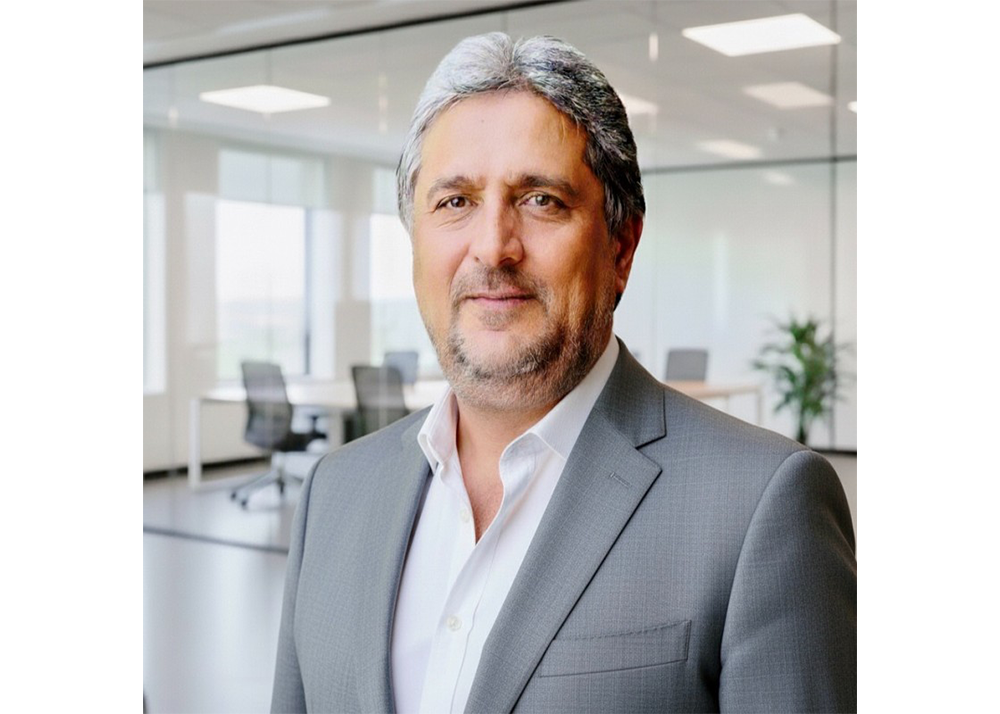
By Piyush Ganaatra, Founder & CEO, MBR Recruitment.