

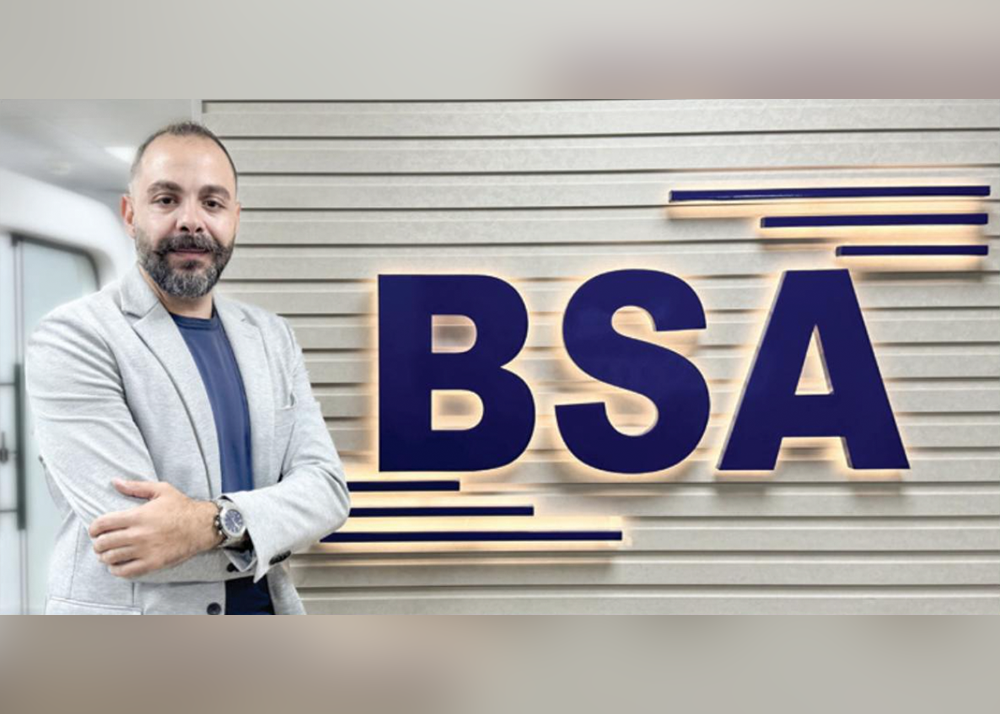
In this industry snapshot, Toni Ibrahim, Chief Sales Officer, BSA, examines how marketers are balancing static formats with DOOH, the growing focus on greener production, and the measurement standards shaping investment across the region.
How are brands balancing traditional static OOH with digital screens and programmatic buys?
Brands are treating them as complementary tools. Static OOH remains valuable for long-term branding and high-impact visibility (landmarks, highways). Digital and programmatic DOOH are used for timeliness, personalisation and performance campaigns. Savvy clients mix both: static for brand salience and repeated frequency, digital for targeted messaging, time-sensitive promos and measurement-driven activations. The campaign brief now usually includes a KPI matrix that guides which format (static vs digital) is used where.
Has sustainability become a real consideration in OOH production and deployment?
Yes – it’s no longer optional. Advertisers and municipalities expect greener practices: LED efficiency improvements, recycled and low-VOC materials for builds, modular install systems for reusable structures, and energy-optimisation for digital screens (dimming, motion-triggered power, off-hours schedules). We also work with clients to measure the carbon footprint of campaigns and favour placements and suppliers that can demonstrate sustainable credentials.
What role will creative play in keeping OOH impactful as the medium becomes more data-driven?
Creative becomes the differentiator. Data tells you who and when – creative tells you hot to stop them, engage them and act. High-impact, context-aware creative (humour, local insight, interactive prompts) combined with dynamic messaging (time, weather, event triggers) yields the best results. Even in programmatic environments, creative strategy – modular assets, quick iterations and strong storytelling – will determine campaign memorability and effectiveness.
If you could change one thing about the OOH industry today, what would it be?
Standardise measurement and oped-data practices across the region. A shared, transparent measurement framework (common viewability, audience estimation and attribution methods) would speed buyer confidence, increase investment, and lower transaction friction between markets.
Do you feel media spend towards OOH is increasing, and what factors are causing this shift?
Yes, speed is rising. Factors include post-pandemic recovery of OOH footfall, the maturation of DOOH measurement and programmatic buying, higher demand from real-estate/retail/ tourism/ event advertisers and the medium’s unique ability to cut through digital noise with large-format, physical presence. Advertisers are reallocation budgets toward channels that can provide both reach and measurable outcome – modern OOH increasingly delivers on both.