On a global scale, the wellness market reached $6.3 trillion in 2023 and is projected to climb to $9 trillion by 2028. In today’s hyper‑connected, post‑pandemic world, wellness has become a cultural language and a ladder to reach audiences. From matcha lattes to mental clarity apps, Gen Z and Millennials now expect brands to embody values like calm, transparency, sustainability, and purpose in the way they communicate.
Wellness as a lifestyle
For younger generations, wellness has become an everyday self-care. They value small rituals, such as functional food, breathwork apps, and sustainable routines more than exclusive indulgences. Brands that position themselves as accessible and woven into daily life, not high‑end experiences, resonate more deeply. A detailed analysis by CoreHealth highlights that Millennials and Gen Z employees place high value on workplace wellness, with 71 per cent willing to leave a job that lacks strong wellness benefits. This underscores how companies must incorporate wellness into corporate communications, both for branding and employee retention. Programs like mental health resources, nutrition, telehealth, and flexible wellness software are key tools to engage and retain younger staff.
Authenticity over polished facade
Gen Z’ built‑in ‘BS detector,’ or the ability to recognize when someone is exaggerating or talking nonsense, demands authenticity. They reject overly curated perfection and gravitate toward raw, honest brand stories. Brands that show their flaws, behind-the-scenes work, and real impact create trust. Rather than glossy this-is-everything visuals, they want humanized messaging showing real routines or emotional vulnerability. A message supported by Getty’s research that younger audiences prefer positive wellness visuals tied to real life, not stereotypes of despair.
Wellness and mental health as integrated identity
Wellness isn’t just physical and Gen Z sees mental health as part of the self. They expect brands to support their emotional and social wellbeing, not ignore it. And they increasingly prefer mindfulness tools, therapy apps, sleep hygiene content, and realistic mental‑health narratives in brand messaging. Whether it’s language that frees them from shame, or channels that host real conversations, wellness has to feel lived, not broadcast. A McKinsey research reveals that Gen Z and Millennials outspend older generations on wellness, including mindfulness, fitness, and preventive health. Wellness is a core value system that shapes brand expectations and marketing approaches. Importantly, brands integrating well-being-centered benefits, such as mental health programs or wellness-oriented perks, can perform better in both consumer engagement and talent attraction.
Brands that fail to embed wellness into their communication, whether through intrusive tactics, pseudo sincerity, or neglect of employee mental health, risk backlash from younger generations who expect transparency and empathetic branding.
Sustainability with substance
Wellness today extends to the planet. Gen Z and Millennials are more likely to engage with companies that demonstrate real sustainability, including ethical sourcing, clean formulation, and eco‑conscious packaging. It’s not enough to use green colors. Meaningful action, fair labor, ingredient transparency, and carbon‑neutral operations are all rewarded with loyalty.
Community, connection, and co‑creation
These generations buy into communities rather than limiting themselves to the product. Brands that foster belonging through shared stories, user‑generated content, live Q&As, forums, or wellness challenges build deeper ties. Gen Z sees value in peer-driven inspiration, such as wellness influencers who speak from personal experience, not polished endorsements.
In my opinion, a successful message addressing Gen Z and millennials must first be clear, concise and calm. Messaging that feels like a moment of calm in a busy day, words that reassure, invite self‑care, and avoid hype are all to be employed smartly. Real data, real stories, diversity in visuals, and open dialogue about values are also equally important as they connote transparency, and by default, attract trust. Shared journeys, real community involvement, and co‑created wellness experiences play an important role as they advocate connection and give purpose to the message. The result? Engaged audiences who see us as part of their everyday wellbeing narrative, instead of being just another corporate brand.
The future of brand messaging must be wellness‑driven
Wellness is becoming a value system shaping expectations across generations. Brands that remain detached or transactional risk feeling irrelevant or tone‑deaf. From matcha morning rituals to clarity‑first messaging, today’s wellness culture demands brands speak with tranquility, transparency, purpose, and above all, community. That’s why, in a world where Gen Z and Millennials lead the conversation, wellness‑driven communication is more essential than ever.
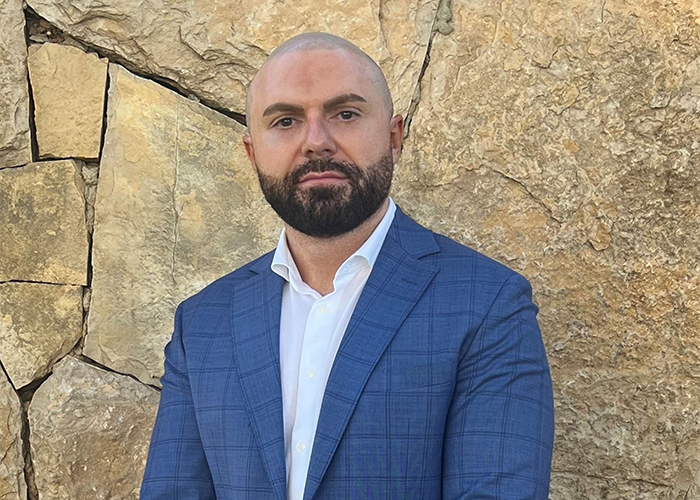
By Baha Hamadi, Founder & Managing Director, Keel Comms.