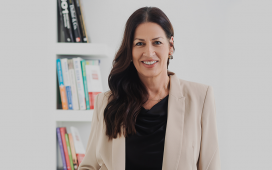
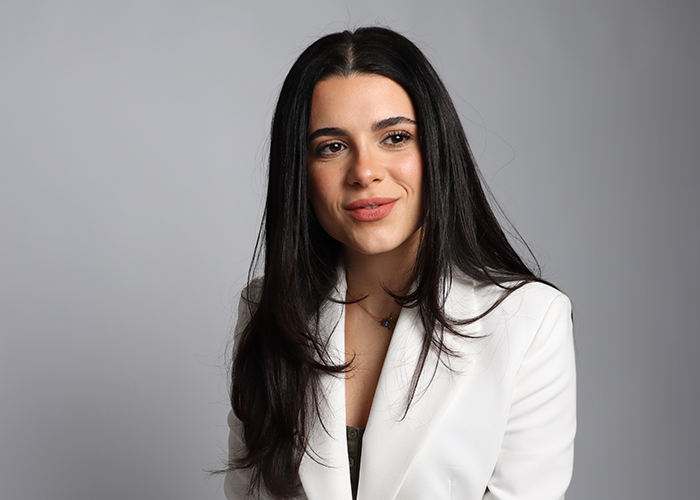
 Joelle Nasr, Manager – Integrated Planning, Magna Global KSA
Magna Global KSA’s Joelle Nasr shares her experience of how diversity, equity and inclusivity (DEI) has evolved over the years, and makes the case for why it’s a non-negotiable top-down strategy, in an exclusive conversation with Campaign Middle East.
Is DEI merely a top-down strategic initiative focused on setting goals and targets, or is it also becoming increasingly embedded within the organisational mindset and cultural transformation?
While DEI often starts with goals and targets, I believe it’s steadily becoming embedded in everyday culture across many organisations.
In Saudi Arabia especially, I’ve seen increasing openness to inclusivity – not just in policy but in day-to-day interactions. Having been raised in a DEI-oriented environment, I believe it should be a top-down strategic mindset that’s focused on embedding it within the mindset of our people. True cultural transformation stems from collective behavioural shifts, not metrics.
What mechanisms or metrics should organisations use to measure the effectiveness of DEI efforts beyond recruitment statistics?
It’s important to track retention, promotion rates, employee sentiment, and psychological safety. Are people from diverse backgrounds thriving or just surviving? How often are women portrayed as decision-makers vs. stuck in execution roles? Anonymous pulse surveys and mentorship uptake can provide valuable insight.
Personally, I’ve found that people’s behaviours speak volumes. For instance, when someone feels comfortable speaking up in a meeting or no longer has to constantly set boundaries, that’s a powerful indicator of DEI in action.
What do you believe are the biggest hurdles to DEI within the advertising sector regionally, and how can these be addressed?
In my experience, one of the biggest challenges is unconscious and traditional biases. There’s often hesitation in challenging traditional norms for fear of backlash. Change takes time, but I’ve seen progress. What can shift this mindset is open conversations that respect our cultural values while embracing growth, paired with leaders modelling inclusive behaviours.
Do you believe DEI fatigue is setting in within the industry? What will it take for us to reach a world where DEI no longer needs fixing, but is just a normal expectation, such as merit, hard work, and resilience?
I think fatigue is natural, especially when DEI is treated as a box to tick. It often stems from emotional disconnection or a lack of clear purpose. To move past that, we need to reframe DEI as part of everyday excellence, not just a metric.
It’s about creating an environment where people feel safe, seen, and motivated to contribute fully. We’ll know we’ve succeeded when it no longer feels like an initiative, and when a woman’s “no” is respected just as much as her “yes”.
Is DEI driving meaningful change, or has it become a superficial trend adopted to align with external expectations?
Superficiality happens when organisations spotlight diversity for recognition but ignore daily inadequacies. And DEI can definitely drive meaningful change if implemented correctly. As I’ve said, it’s not just about policies; it’s about how we treat one another on a day-to-day basis.
Does leadership notice when the only woman in the room is interrupted? Real change is silent, but systemic. In my workplace, small shifts, like being acknowledged, heard, and encouraged to lead, have made the greatest impact.
What’s your top learning or observation from the past 12 months that inspired you and fueled your success?
This past year, I’ve seen how small acts of support can have a big impact. I’ve made a conscious effort to speak up when I notice someone being overlooked, particularly in cross-functional settings. As someone who’s struggled with this personally, I know how meaningful it is to be seen and acknowledged. Sometimes, the smallest gestures can make the biggest difference.
Would you be open to sharing one mistake/failure from your personal life or career that could be a key lesson for others following in similar footsteps?
Earlier in my career, I avoided difficult conversations to steer clear of conflict. I thought kindness meant accommodating everyone. Over time, I’ve realised that avoidance creates more confusion and resentment. The lesson: kindness ≠ passiveness.
Kindness is clarity, even when it’s uncomfortable. Being honest is part of being respectful. Today, I try to lead with both empathy and courage. It’s not always easy, but it’s essential for building healthy, sustainable relationships at work.
In a region where tradition and culture have married modernity and progress, what role does advertising play in finding a balanced path to reaching our DEI objectives?
Advertising plays a powerful role here since it reflects and influences society. It can help normalise change within cultural frameworks. I think the best approach is to challenge stereotypes while respecting tradition and culture. For example, depicting women as leaders without making it a “statement”. Rather than “showing” diversity in a forced way, we should embed it so naturally that it no longer feels like a task.
By Joelle Nasr, Manager – Integrated Planning, Magna Global KSA