


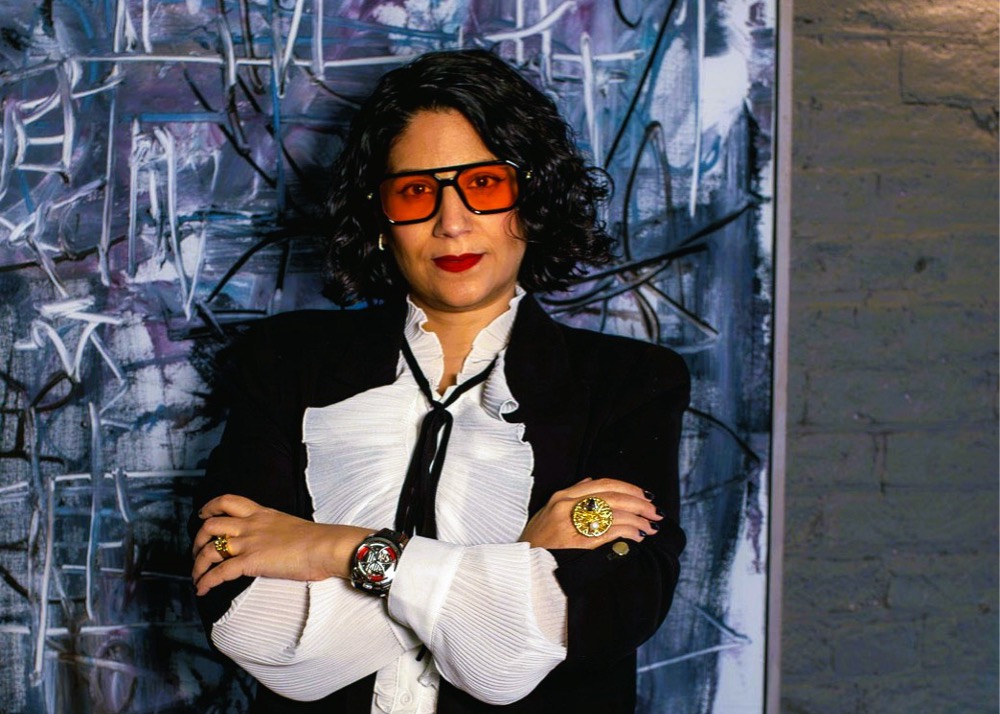
 Zaib Shadani, Founder, Shadani Consulting
Abdul El-Sayed made history as the first Muslim elected to the U.S. Senate. But what we probably didn’t see coming, was him making “Habibi” (my beloved) a part of mainstream American consciousness and one of the most Googled words in America.
His victory speech was a masterclass in reclaiming power and showed how one word can change the whole conversation. When El-Sayed said, “JD, habibi, there is this delicious irony in the fact that you’re constitutionally obligated to swear me in in January,” he did more than deliver a line; he created a moment that amplified his culture, solidified his Arab identity and pushed a familiar Arabic expression into the American lexicon.
From a communications perspective, it shows how a simple word, albeit a loaded one, when delivered at the right time, with the right pause and cadence, can become a powerful storytelling tool.
For years, much of the conversation around Arab identity in Western media has been shaped by stereotypes, political narratives and clickbait headlines. What made this moment different was that El-Sayed did not explain or defend his cultural identity. Instead, he celebrated it during his speech.
If there is a duo of words that bind the Arab community together, “Inshallah” is probably at the top, with “Habibi” a close second.
Across the Middle East and for all Arabic speakers, “Habibi” is one of the most commonly used words and carries the weight of a whole culture behind it. In fact, for any non-Arabic speaker who ends up in the Middle East, it is among the first words they pick up.
That is why it did not need an explanation to make an impact. El-Sayed chose to use it to address JD Vance and left it at that. It was a choice, one that said: I am here, my culture is here and I will make no apology for it. If you want to find out what “Habibi” means, then make the effort and find out.
Curiosity is an incredibly valuable emotion, especially when viewed from a PR lens, because it makes people stop and pay attention.
The use of “Habibi” opened the door to a much bigger conversation about Arab culture and identity. It’s a reminder that sometimes, the most effective way to tell a story is not to explain everything. It is to give people a reason to ask questions.
I often tell clients that visibility alone is not enough. You can get your name in the headlines, but what matters is what people remember about you, what they say about you and what they do next. The “Habibi” moment achieved all three. It sparked conversation, encouraged people to look up a word and pulled Arab identity into the American mainstream.
And perhaps the biggest takeaway is that it’s never about giving a long, drawn-out speech with proof points. Sometimes all it takes is the right word and in El-Sayed’s case, that word was “Habibi.”
By Zaib Shadani, Founder of Shadani Consulting







