In 2026, travel is shaping up to be intentional trips that begin with purpose, driven more by emotion than destination.
Coined ‘The Whycation’ by Hilton‘s 2026 Trends Report, people are embracing travel plans that allow them to have meaningful experiences and rest.
Backed by insights from more than 14,000 travellers across 14 countries, the research highlights a pivotal shift away from traditional travel planning, with more emphasis on personal exploration, cultural immersion, and AI-assisted travel.
“This year’s Trend report shows that UAE and KSA residents are reinventing how they explore the world, placing greater emphasis on personal connections, cultural immersion, and travel with deeper meaning,” said Guy Hutchinson, President of Hilton, Middle East and Africa.
A deeper connection to culture
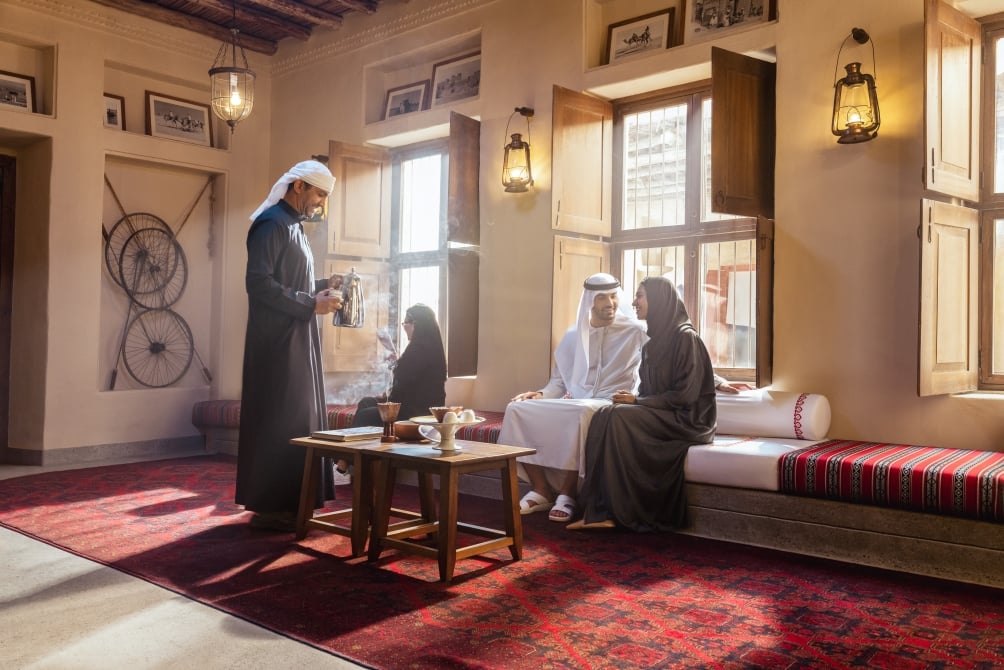
In the Middle East, travellers from the UAE and KSA are choosing trips that reflect who they are and what they value, with an increasing desire for authenticity, relaxation, and connection.
Residents from the UAE and Saudi Arabia value seeking genuine cultural connections over traditional sightseeing. Both countries rank the highest globally (65 per cent of travellers from KSA and 66 per cent of travellers from the UAE) in comparison to other surveyed countries.
Gulf residents stated that they would even take the effort to learn the local language before visiting a destination, demonstrating that immersion as a key aspect of their journey.

Moreover, 73 per cent of UAE travellers actively seek experiences that allow them to engage with local customs that they have not researched ahead of time, a habit which is also shared by 69 per cent of KSA.
These travellers are not just observing cultures but participating in them by learning languages, taking part in traditional customs, and deepening their understanding of the cultures they visit – signalling a desire to connect and respect the cultures they encounter.
“The trends reflect a shift toward travel that resonates not only with the destinations, but the values of the travelers themselves, with Gulf residents leading the way in creating journeys that are as personal as they are transformative,” Hutchinson said.
Grocery store tourism
UAE (81 per cent) and KSA (78 per cent) travellers are looking to find connection in the ordinary by incorporating experiences such as visiting local grocery stores in destinations, therefore seeking a deeper connection with everyday life abroad .
For many, these everyday retail spaces may offer a unique opportunity to uncover local delicacies, learn about daily life, and even ground their journey in the comfort of familiarity, creating a sense of home while far from it.
Both the UAE and KSA are leading this trend, ranking above the global average of 77 per cent.
Streamlined travel with AI
Many travellers from UAE and KSA rely on AI-assisted planning, as well as opting for all-inclusive resorts and group tours that require little-to-no planning, marking a clear shift from previous years when spontaneity was a defining characteristic of Gulf travel.
75 per cent of travellers from both UAE and KSA respectively find AI tools helpful to plan their trips, reflecting a desire for convenience and efficiency. AI can help create tailored itineraries that can then be vetted and refined by concierges or real-life travel experts, combining the speed of technology with human expertise.
This high adoption highlights the region’s comfort with digital solutions that simplify logistics, enabling holidaymakers to focus more on enjoyment than planning. As AI takes centre stage in travel prep, it marks a shift toward smarter, stress-free getaways powered by technology.

Social media and loyalty
In the UAE, social media drives real-time itinerary planning, impacting both destination selection and overall travel experiences. A third of UAE residents actively use social media to plan activities while abroad highlighting interest in dynamic, content-led travel experiences shaped by what’s trending in the moment.
This trend is closely tied to customers’ loyalty to trusted brands and programs, with 79 per cent of UAE travellers stating they commit to one loyalty program per category, such as airlines or hotels. Such loyalty not only strengthens brand relationships but also reinforces the appeal of personalised experiences and exclusive offers that deepen the traveller’s connection with the brand.
As a result, Hutchinson said: “With more than 8,800 hotels worldwide, Hilton is focused on delivering the comfort, trusted service and flexibility travellers expect – alongside experiences that reflect how they want to spend their time.”
To read the full 2026 Trends Report, The Whycation: Travel’s New Starting Point, click here.